
DbcultAccessing Vault...
Director's Spotlight
Senior Film Conservator
Director's Spotlight: United States
A Deep Dive into the 1922 Vision of Edwin Carewe
Exploring the Drama underpinnings of I Am the Law leads us to the stylistic boundaries pushed by Edwin Carewe during the production. Through a lens of existential fatalism and Drama tropes, it continues to spark endless debates among critics and cinephiles alike.
In I Am the Law, Edwin Carewe pushes the boundaries of conventional narrative. The film's unique approach to its subject matter has sparked endless debates and interpretations among cinephiles and critics alike.
To fully appreciate I Am the Law, one must consider the cinematic climate of 1922. During this period, United States was undergoing significant artistic shifts, and Edwin Carewe was at the forefront of this Drama movement, often challenging established norms.
| Cinematography | High-Contrast |
| Soundtrack | Synth-Heavy |
| Editing | Rhythmic |
| Art Direction | Naturalist |
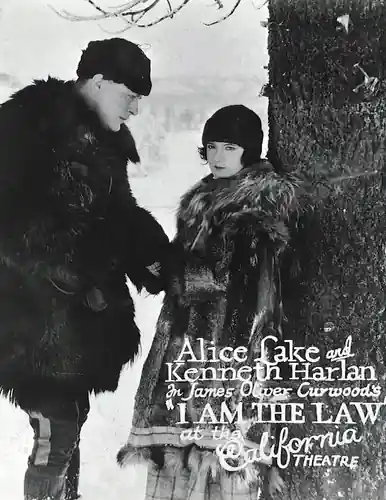
Visualizing the convergence of Edwin Carewe's style and the core Drama narrative.
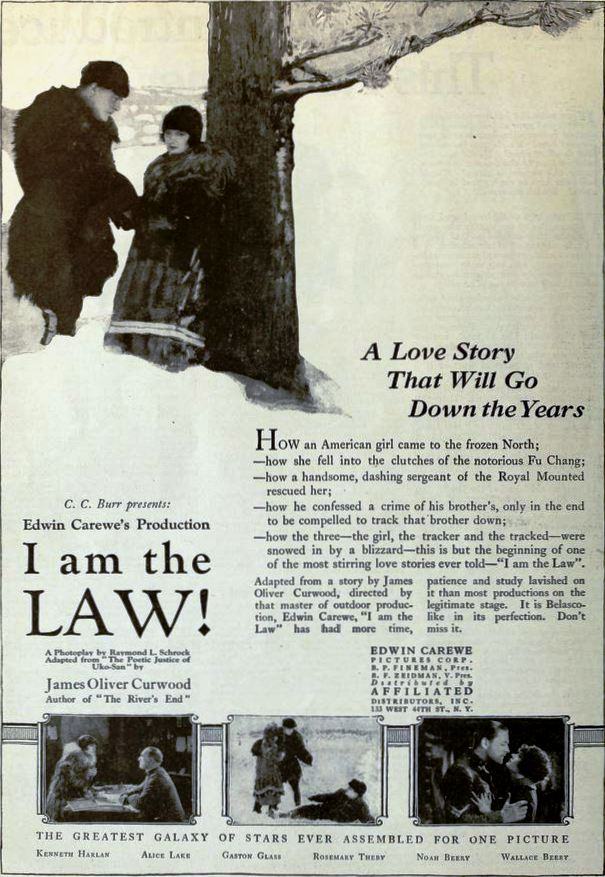
Royal Mounted Policeman Robert Fitzgerald, rescues Joan Cameron from the evil clutches of dance-hall owner Fu Chang, but she falls in love with Tom, Robert's brother, who is carrying on an affair with another officer's wife. Discovered by the husband, Tom apparently kills him; and Bob, believing himself to be dying and that Joan loves Tom, assumes responsibility for the crime and signs a confession. Although Bob recovers, his brother announces his death. When Bob reappears, Tom arrests him; and Bob is about to be lynched when Joan forces a confession from the widow of the slain officer. Tom commits suicide, and Joan realizes her love for Bob.
Decades after its release, I Am the Law remains a vital piece of the cinematic puzzle. Its influence can be seen in countless modern works, solidifying Edwin Carewe's status as a master of the craft in United States and beyond.