
DbcultAccessing Vault...
Director's Spotlight
Senior Film Conservator
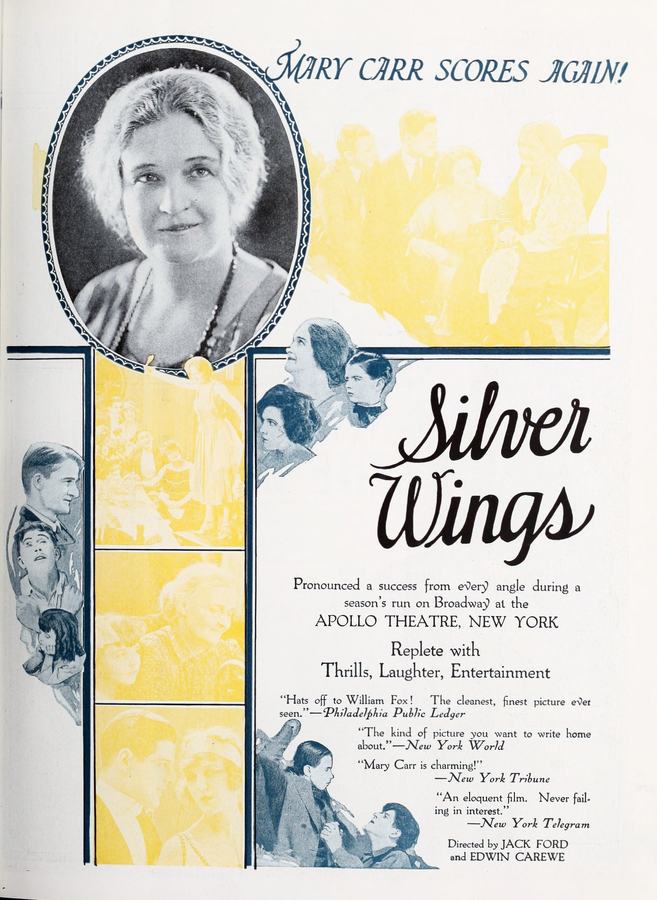
Director's Spotlight: United States
A Deep Dive into the 1922 Vision of Edwin Carewe
Under the meticulous guidance of Edwin Carewe, Silver Wings became the cultural zeitgeist captured so perfectly by Edwin Carewe in 1922. Driven by an uncompromising commitment to Drama excellence, it remains a vital reference point for anyone studying the evolution of Edwin Carewe.
In Silver Wings, Edwin Carewe pushes the boundaries of conventional narrative. The film's unique approach to its subject matter has sparked endless debates and interpretations among cinephiles and critics alike.
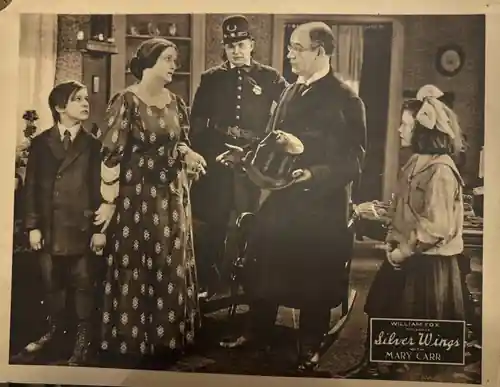
While deeply rooted in United States, Silver Wings has achieved a global reach, influencing directors from various backgrounds. Its ability to translate Drama tropes into a universal cinematic language is why it remains a cult staple decades after its 1922 release.
| Cinematography | Handheld |
| Soundtrack | Diegetic |
| Editing | Elliptical |
| Art Direction | Expressionist |
Visualizing the convergence of Edwin Carewe's style and the core Drama narrative.
After John Webb dies, his wife Anna and his children--John, Harry, and Ruth--are well provided for, thanks to his patent on an improved sewing machine. As time passes, however, Harry mismanages and overspends factory funds, John leaves town accused of stealing the money embezzled by Harry, and Ruth elopes. Anna must sell the business to cover Harry's debts, and, reduced to poverty, she takes a menial factory job. Later, her story appears in a magazine and the family is happily reunited.
Decades after its release, Silver Wings remains a vital piece of the cinematic puzzle. Its influence can be seen in countless modern works, solidifying Edwin Carewe's status as a master of the craft in United States and beyond.