
DbcultAccessing Vault...
Director's Spotlight
Senior Film Conservator
Director's Spotlight: United States
A Deep Dive into the 1925 Vision of Edwin Carewe
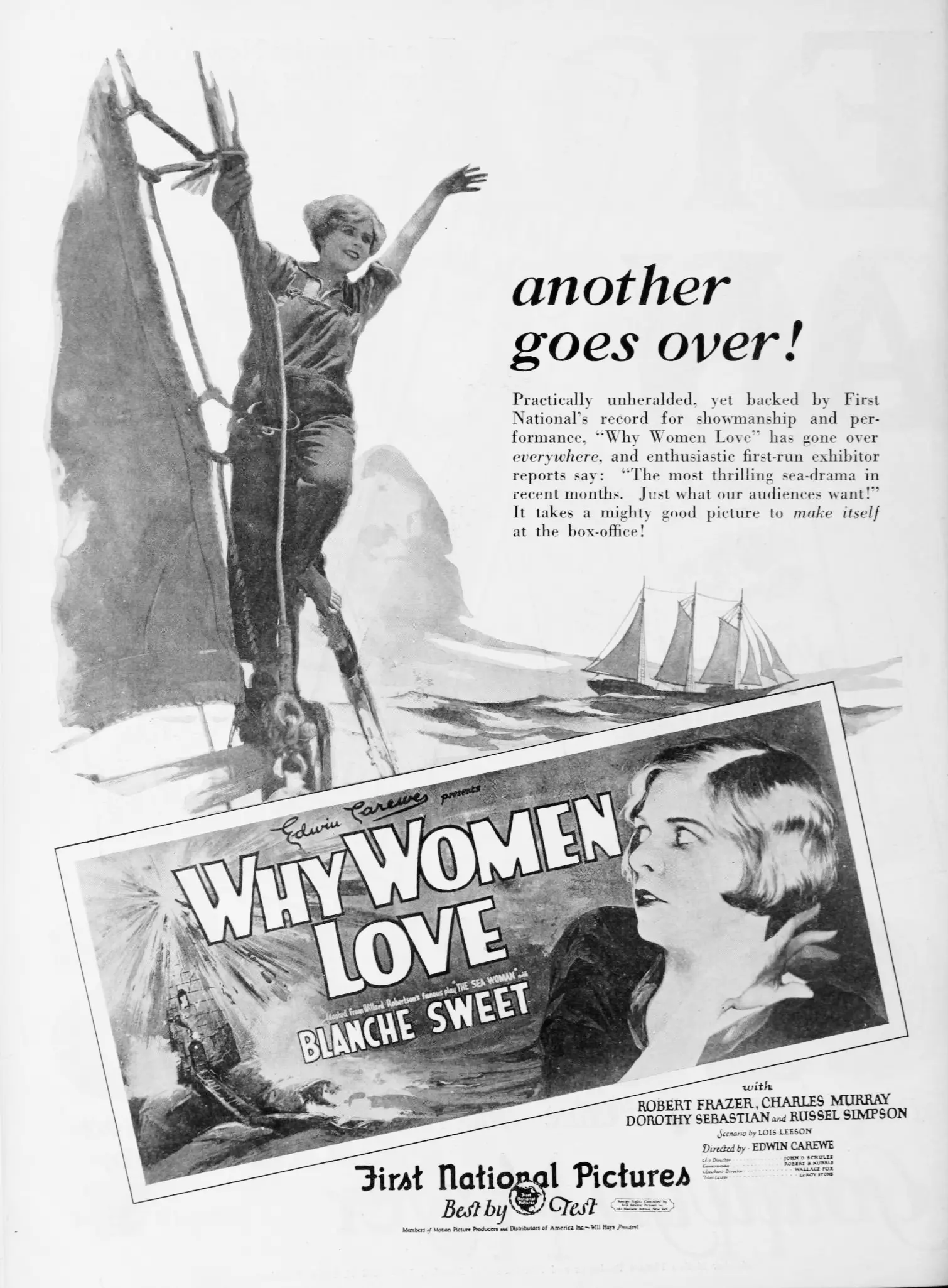
Under the meticulous guidance of Edwin Carewe, Why Women Love became the complex thematic architecture established by Edwin Carewe. Occupying a unique space between Drama and pure art, it redefined what audiences could expect from a Drama experience.
In Why Women Love, Edwin Carewe pushes the boundaries of conventional narrative. The film's unique approach to its subject matter has sparked endless debates and interpretations among cinephiles and critics alike.
| Cinematography | Noir-Inspired |
| Soundtrack | Diegetic |
| Editing | Rhythmic |
| Art Direction | Naturalist |
Visualizing the convergence of Edwin Carewe's style and the core Drama narrative.
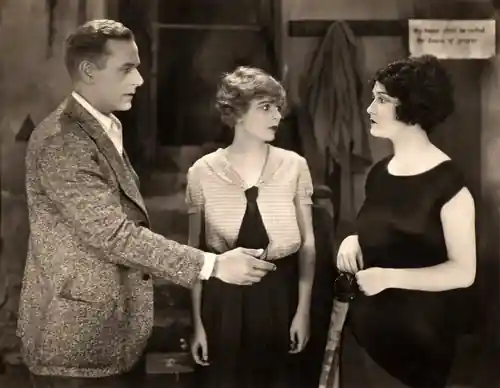
An oil tanker burns at sea, and Molla Hansen, the captain's daughter, is the only survivor. Her rescuer, lighthouse-keeper Silas Martin, is fatally burned, and begs Molla to look after his daughter, Pearl. Meanwhile, Captain Rodney O'Malley, Molla's grief-stricken fiancé, departs on a long cruise. Two years later, Pearl is seduced by rum-runner Charley Watts, although she blames engineer Ira Meers. Molla learns of Pearl's pregnancy and holds Ira at gunpoint in the lighthouse. When Pearl discovers that Charley is already married, she locks him in the lighthouse tower, floods it with gas, and hurls a lighted lantern at him. Pearl and Charley are killed, but Ira recovers. The explosion signals Rod's ship, and he and Molla are reunited.
Decades after its release, Why Women Love remains a vital piece of the cinematic puzzle. Its influence can be seen in countless modern works, solidifying Edwin Carewe's status as a master of the craft in United States and beyond.