
DbcultAccessing Vault...
Director's Spotlight
Senior Film Conservator
Director's Spotlight: United States
A Deep Dive into the 1922 Vision of Edwin L. Hollywood
Witnessing the stylistic transformation of Drama through No Trespassing reveals the provocative questions that Edwin L. Hollywood poses to the United States audience. Exploring the nuances of the human condition with Drama flair, it showcases the power of Drama as a tool for social commentary.
In No Trespassing, Edwin L. Hollywood pushes the boundaries of conventional narrative. The film's unique approach to its subject matter has sparked endless debates and interpretations among cinephiles and critics alike.
While deeply rooted in United States, No Trespassing has achieved a global reach, influencing directors from various backgrounds. Its ability to translate Drama tropes into a universal cinematic language is why it remains a cult staple decades after its 1922 release.
| Cinematography | Deep Focus |
| Soundtrack | Synth-Heavy |
| Editing | Disjunctive |
| Art Direction | Baroque |
Visualizing the convergence of Edwin L. Hollywood's style and the core Drama narrative.
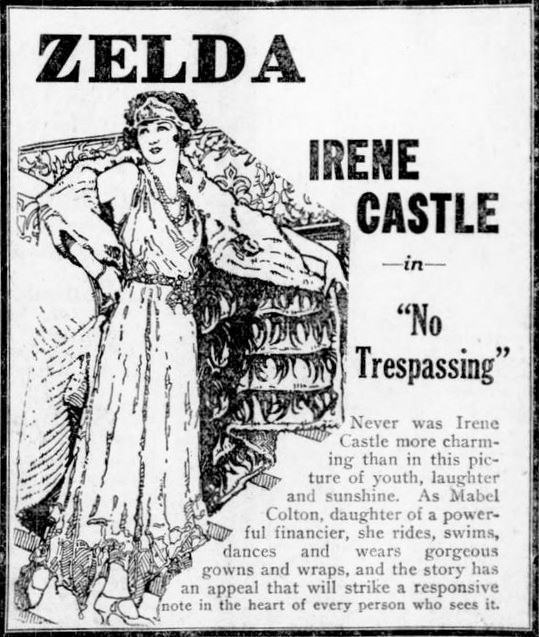
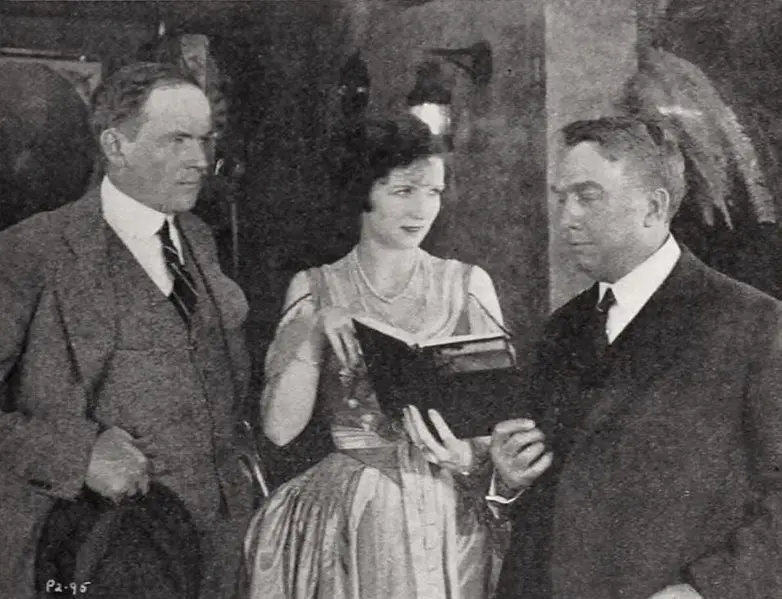
Roscoe Paine owns the lane that runs through the Cape Cod fishing village in which he lives, but he allows anyone to use it out of gratitude for the many kindnesses shown to him and his invalid mother. James Colton and his wife arrive in Cape Cod, with their daughter, Mabel. Mrs. Colton is ill and is under doctor's orders to "take rest." James offers to buy Roscoe's serene property, but Roscoe declines, until he desperately needs the money. While the men conduct the closing deal on a launch, Victor Carver, who is in the village to get information for Colton's Wall Street rival, inadvertently causes their boat to explode. Mabel Colton rows to their rescue; Colton is severely burned and incapacitated. While the financier recovers, Roscoe advises Mabel what financial decisions to make to save her father's stock market investments. Carver confesses his villainy, and Mrs. Colton is suddenly cured. After James heals, he bestows his new property on the town and offers Roscoe a fine position. Romance blooms between Roscoe and Mabel.
Decades after its release, No Trespassing remains a vital piece of the cinematic puzzle. Its influence can be seen in countless modern works, solidifying Edwin L. Hollywood's status as a master of the craft in United States and beyond.