
DbcultAccessing Vault...
Director's Spotlight
Senior Film Conservator
Director's Spotlight: United States
A Deep Dive into the 1914 Vision of Edwin S. Porter
In the storied career of Edwin S. Porter, A Good Little Devil stands as a the atmospheric immersion that Edwin S. Porter achieves throughout A Good Little Devil. Reflecting the political and social shifts of the 1914s, it reinforces the idea that cinema is a medium of infinite possibilities.
In A Good Little Devil, Edwin S. Porter pushes the boundaries of conventional narrative. The film's unique approach to its subject matter has sparked endless debates and interpretations among cinephiles and critics alike.
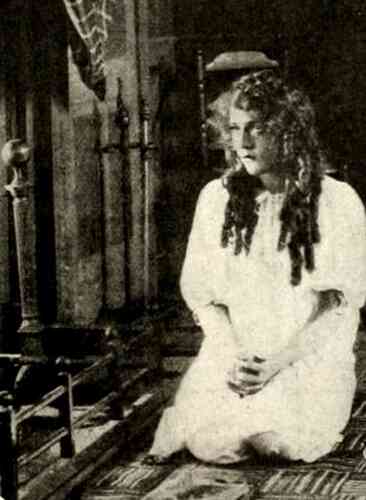
To fully appreciate A Good Little Devil, one must consider the cinematic climate of 1914. During this period, United States was undergoing significant artistic shifts, and Edwin S. Porter was at the forefront of this cult movement, often challenging established norms.
| Cinematography | Deep Focus |
| Soundtrack | Diegetic |
| Editing | Elliptical |
| Art Direction | Expressionist |
Visualizing the convergence of Edwin S. Porter's style and the core cult narrative.
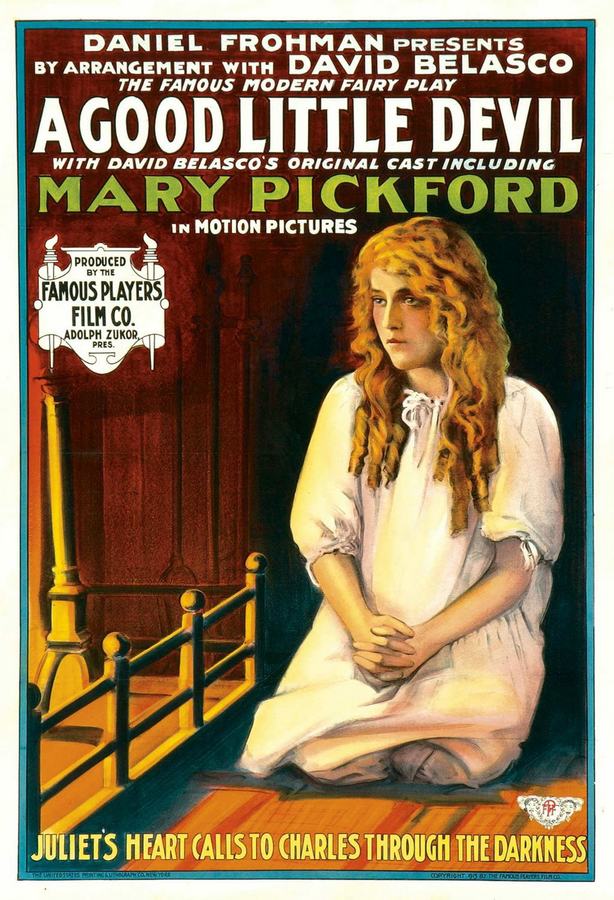
Charles MacLance, a mischievous little boy sent to live with his cruel aunt, Mrs. MacMiche, takes his happiness from the make-believe world of fairies which he has created with Juliet, a little blind girl. When Charles' aristocratic grandfather dies, however, he is sent away to an expensive school, in preparation for his adult life as a lord. As he grows up, he forgets Juliet and his make-believe friends, and becomes engaged to a fashionable society girl, but the soul of his former self leaves him to rejoin the good fairies. Meanwhile, Mrs. MacMiche has come to believe in fairies, and in her new goodness, she asks Charles to come and live with her again. At first reluctant, Charles soon resurrects fond memories of the past. Juliet, whose sight has been restored, helps him to complete his change, and he asks her to marry him. In the end, the couple live happily with Mrs. MacMiche in their fantasy world.
Decades after its release, A Good Little Devil remains a vital piece of the cinematic puzzle. Its influence can be seen in countless modern works, solidifying Edwin S. Porter's status as a master of the craft in United States and beyond.