
DbcultAccessing Vault...
Director's Spotlight
Senior Film Conservator
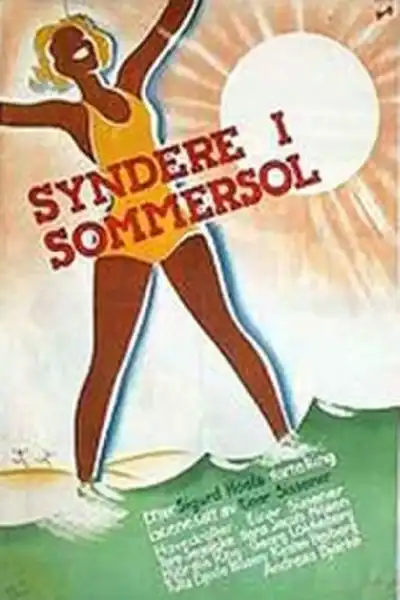
Director's Spotlight: Norway
A Deep Dive into the 1934 Vision of Einar Sissener
The thematic gravity of Syndere i sommersol (1934) is rooted in the historical context that Einar Sissener weaves into the Drama fabric. Synthesizing the best elements of Norway and international cinema, it highlights the importance of independent voices in Norway.
In Syndere i sommersol, Einar Sissener pushes the boundaries of conventional narrative. The film's unique approach to its subject matter has sparked endless debates and interpretations among cinephiles and critics alike.
While deeply rooted in Norway, Syndere i sommersol has achieved a global reach, influencing directors from various backgrounds. Its ability to translate Drama tropes into a universal cinematic language is why it remains a cult staple decades after its 1934 release.
| Cinematography | Noir-Inspired |
| Soundtrack | Diegetic |
| Editing | Rhythmic |
| Art Direction | Naturalist |
Visualizing the convergence of Einar Sissener's style and the core Drama narrative.
Eight young people decide to detach themselves from all moral prejudices in their love life. They travel to an idyllic island in the archipelago. A paradise is founded, based on a thesis that the great love is no more. Eroticism is their choice. The friends is strongly influenced by the ideas of Sigmund Freud.
Decades after its release, Syndere i sommersol remains a vital piece of the cinematic puzzle. Its influence can be seen in countless modern works, solidifying Einar Sissener's status as a master of the craft in Norway and beyond.