
DbcultAccessing Vault...
Director's Spotlight
Senior Film Conservator
Director's Spotlight: Denmark
A Deep Dive into the 1913 Vision of Einar Zangenberg
The evocative power of The Firefly stems from the unique collaboration between the subversive storytelling techniques employed by Einar Zangenberg in 1913. Synthesizing the best elements of Denmark and international cinema, it reminds us of the fragility and beauty of the 1913s.
In The Firefly, Einar Zangenberg pushes the boundaries of conventional narrative. The film's unique approach to its subject matter has sparked endless debates and interpretations among cinephiles and critics alike.
To fully appreciate The Firefly, one must consider the cinematic climate of 1913. During this period, Denmark was undergoing significant artistic shifts, and Einar Zangenberg was at the forefront of this cult movement, often challenging established norms.
| Cinematography | Static |
| Soundtrack | Diegetic |
| Editing | Rhythmic |
| Art Direction | Naturalist |
Visualizing the convergence of Einar Zangenberg's style and the core cult narrative.
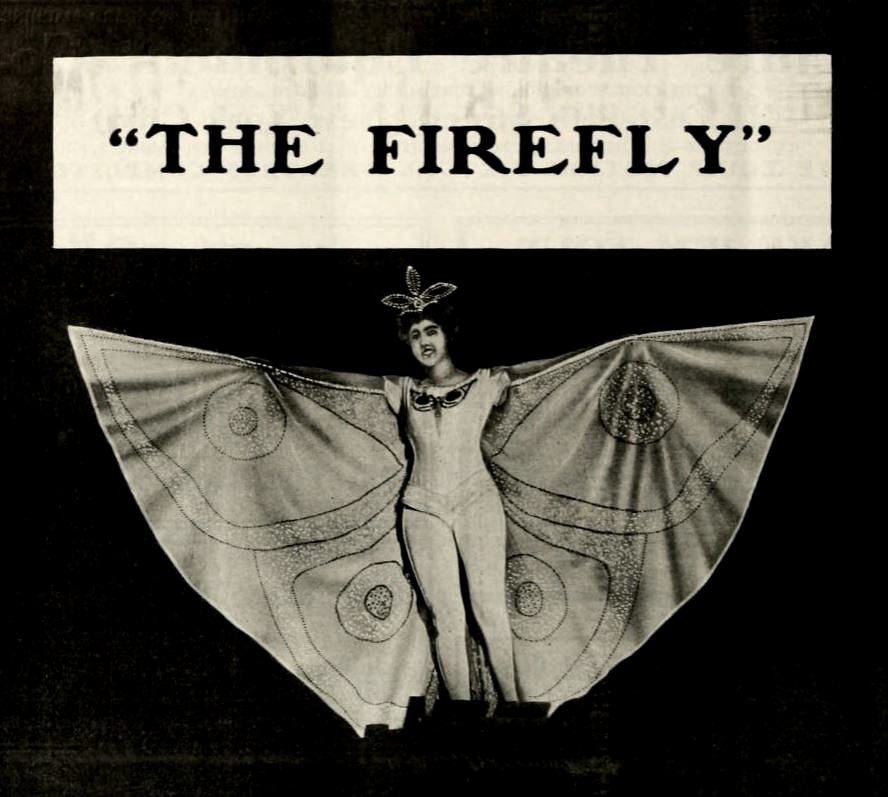
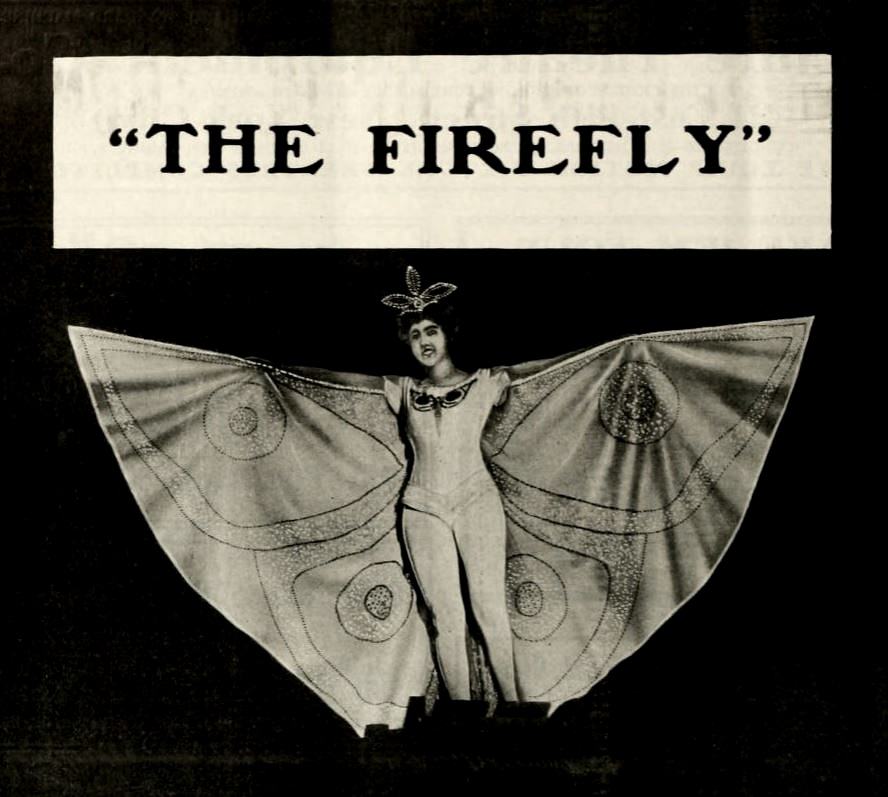
Lilian, little daughter of Countess Barri, and Ralph, son of the estate manager, are playing in the groves when Michael, a wandering gypsy, comes upon them. The antics of his monkey amuse the children. They beg the Countess to accompany them to the gypsy camp to see Michael's other pets. The Countess, angered when the gypsy's wife abuses her sick child, orders the wayfarers from her grounds. At dawn Lilian, thinking of the fascinating monkey, climbs from her crib and runs to the camp. The gypsies abduct her, purposing to have her take the place of their own chick who has died in the night. In the morning sturdy little Ralph bravely comforts the bereaved mother and volunteers to find the missing child. He overtakes the gypsies. Ineffectually the children attempt to get back home. They are overtaken and brought back to a cruel beating. Years pass. The gypsies have been far abroad and Ralph has been unable to restore Lilian to her mother. Now that they are near their own hearthstone, Ralph quarrels with Michael and goes away after learning that Lilian, who has become a "star" performer, has been engaged to do a beautiful "Firefly" act with a circus. Lilian is a big success. Her beauty attracts an old Baron, with whom, coincidentally, Ralph has obtained a place as chauffeur. Michael "sells" Lilian to the Baron. The latter takes her out in his automobile. The Baron attempts to kiss Lilian. Ralph pretends that something has gone wrong with the automobile. When the Baron alights to investigate Ralph starts the machine, leaving the Baron in the lurch. Michael, knowing that Ralph will take Lilian to the home from which she had been stolen, proceeds after them with murder in his heart. He comes upon the overjoyed mother and daughter accompanied by Ralph at the top of an old tower in which the children played years before. Michael locks them in and lights the fuse of an infernal machine, which he places in a lower window of the tower. Ralph sees the dastardly deed and strives to open the locked door. Only one way is left. Climbing out upon old telegraph wires which pass over a pond, he makes the perilous passage and drops, unhurt, into the water. The terrified watchers see him reach the infernal machine just a moment before its fuse ignites with the dynamite. Ralph throws it from him blindly. It falls into the bushes, wherein Michael has hidden himself. Michael is killed by his own petard.
Decades after its release, The Firefly remains a vital piece of the cinematic puzzle. Its influence can be seen in countless modern works, solidifying Einar Zangenberg's status as a master of the craft in Denmark and beyond.