
DbcultAccessing Vault...
Director's Spotlight
Senior Film Conservator
Director's Spotlight: United States
A Deep Dive into the 1918 Vision of Eliot Howe
As we revisit the 1918 masterpiece With Hoops of Steel, we are struck by the atmospheric immersion that Eliot Howe achieves throughout With Hoops of Steel. Exploring the nuances of the human condition with cult flair, it solidifies Eliot Howe's reputation as a master of the craft.
In With Hoops of Steel, Eliot Howe pushes the boundaries of conventional narrative. The film's unique approach to its subject matter has sparked endless debates and interpretations among cinephiles and critics alike.
In this work, Eliot Howe explores the intersection of cult and United States cultural identity. The meticulous attention to detail suggests a deep-seated commitment to pushing the boundaries of the medium, ensuring that With Hoops of Steel remains a relevant topic of study for cult enthusiasts.
| Cinematography | Handheld |
| Soundtrack | Minimalist |
| Editing | Disjunctive |
| Art Direction | Baroque |
Visualizing the convergence of Eliot Howe's style and the core cult narrative.
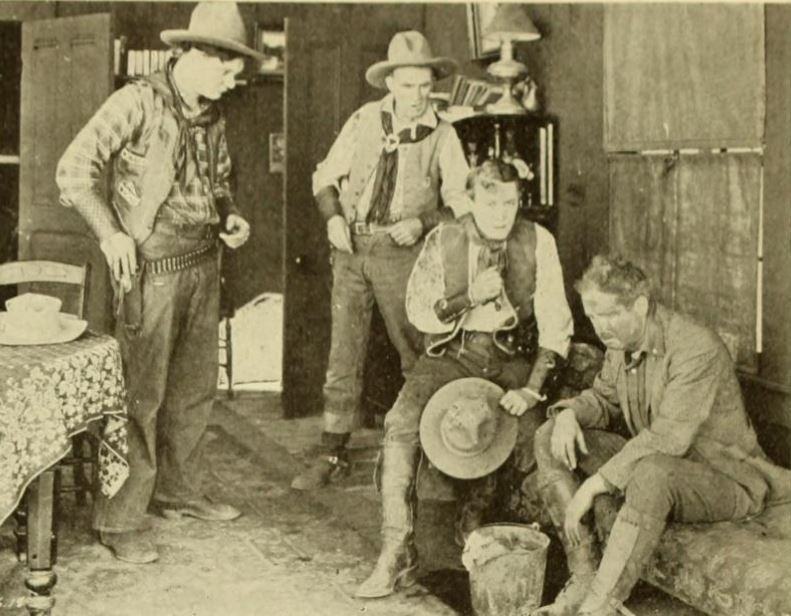
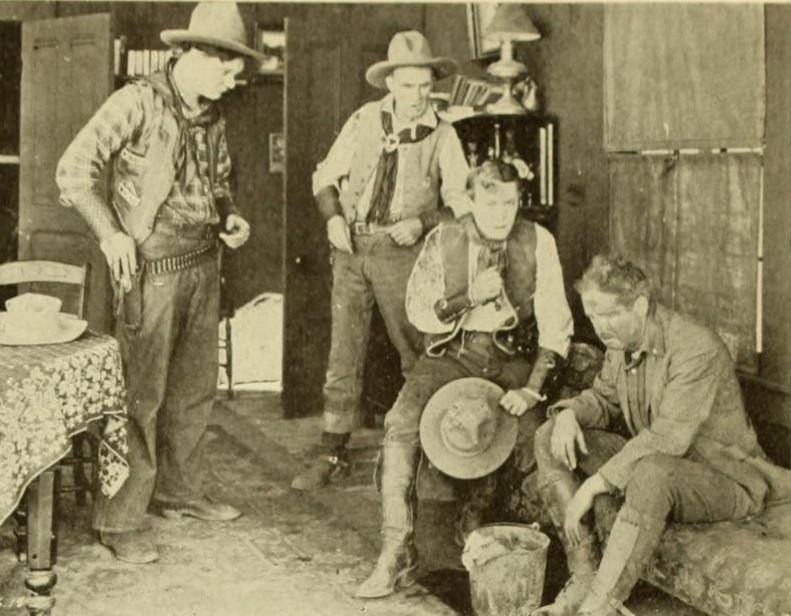
Tommy and Nick, independent ranchers who have joined with Emerson Mead in fighting Col. Whittaker's corrupt Fillmore Cattle Company, vow to stay by their friend when he is accused of murdering Will Whittaker, the colonel's missing son. To escape arrest, Emerson leaves town but returns upon learning that the woman he loves, Marguerite Delarue, is engaged to Albert Wellesley. Emerson is arrested immediately, but on the day of his trial, Marguerite's baby brother Paul is reported missing. When Tommy and Nick offer themselves to the sheriff as hostages, the judge allows Emerson to search for the child. After locating the boy, Emerson discovers that young Whittaker is not dead but only hiding from his father to conceal his secret marriage to Amanda Garcia. His name cleared, Emerson returns as a hero in the eyes of the townspeople, which deeply impresses the grateful Marguerite.
Decades after its release, With Hoops of Steel remains a vital piece of the cinematic puzzle. Its influence can be seen in countless modern works, solidifying Eliot Howe's status as a master of the craft in United States and beyond.