
DbcultAccessing Vault...
Director's Spotlight
Senior Film Conservator
Director's Spotlight: Germany
A Deep Dive into the 1932 Vision of Ella Bergmann-Michel
When we examine the cinematic landscape of Germany, Fischfang in der Rhön (an der Sinn) emerges as a landmark work of the enduring legacy of Ella Bergmann-Michel's artistic contribution to the genre. Through a lens of existential fatalism and Short tropes, it captures a specific kind of cinematic magic that is rarely replicated.
In Fischfang in der Rhön (an der Sinn), Ella Bergmann-Michel pushes the boundaries of conventional narrative. The film's unique approach to its subject matter has sparked endless debates and interpretations among cinephiles and critics alike.
| Cinematography | High-Contrast |
| Soundtrack | Synth-Heavy |
| Editing | Rhythmic |
| Art Direction | Naturalist |
Visualizing the convergence of Ella Bergmann-Michel's style and the core Short narrative.
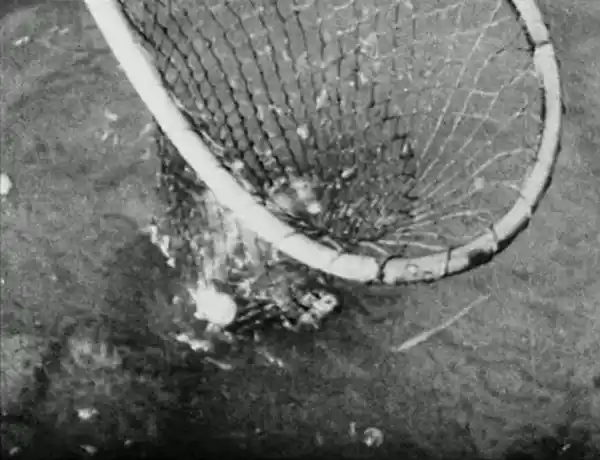
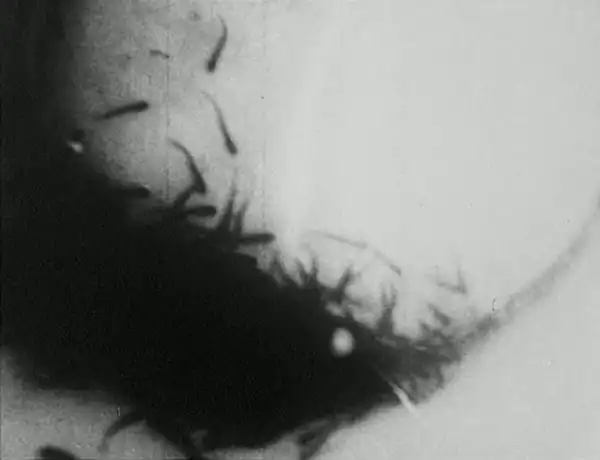
The film is characterised by atypical landscape shots, with views of nature being distorted without technical effects. Close-ups, details and overhead shots without a horizon create an impression of flatness. Flora and fauna are transformed into graphic elements through symmetrical reflections. 'Fischfang in der Rhön' is reminiscent of Ella Bergmann-Michel's experimental landscape photographs on the one hand and her collages on the other, in which she layered coloured transparent papers on top of each other.
Decades after its release, Fischfang in der Rhön (an der Sinn) remains a vital piece of the cinematic puzzle. Its influence can be seen in countless modern works, solidifying Ella Bergmann-Michel's status as a master of the craft in Germany and beyond.