
DbcultAccessing Vault...
Director's Spotlight
Senior Film Conservator
Director's Spotlight: United States
A Deep Dive into the 1918 Vision of Elmer Clifton
Analyzing The Flash of Fate (1918) requires a deep dive into the defining moment in cult history that Elmer Clifton helped create. Defining a new era of United States artistic expression, it transcends regional boundaries to tell a universal story.
In The Flash of Fate, Elmer Clifton pushes the boundaries of conventional narrative. The film's unique approach to its subject matter has sparked endless debates and interpretations among cinephiles and critics alike.
| Cinematography | Static |
| Soundtrack | Diegetic |
| Editing | Rhythmic |
| Art Direction | Naturalist |
Visualizing the convergence of Elmer Clifton's style and the core cult narrative.
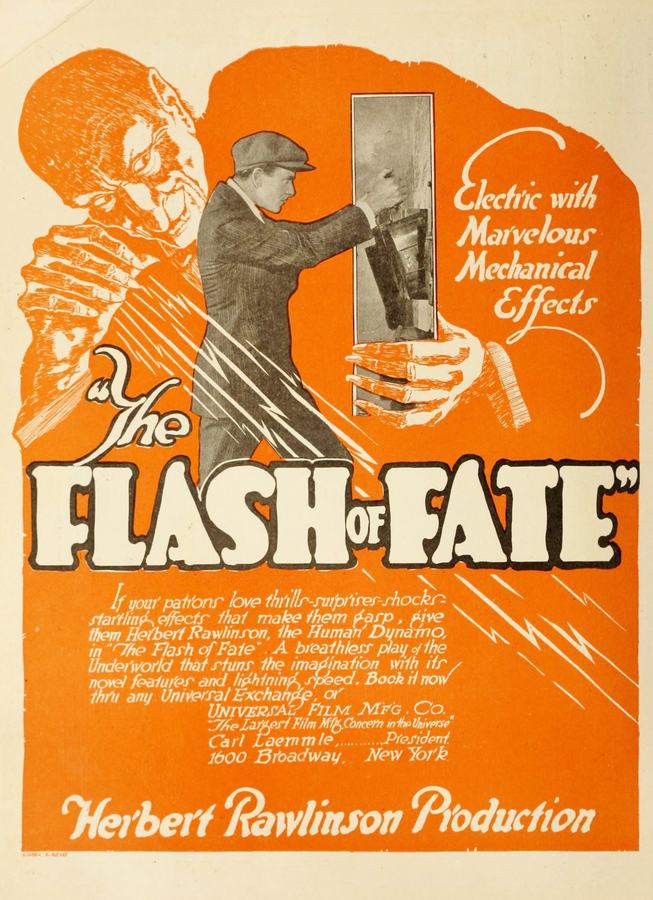
When his father commits suicide after being ruined by dishonest stockbroker Abner Hinman, Randolph Shorb resolves to gain revenge and rebuild his fortune by whatever means necessary. With the aid of notorious crook Philadelphia Johnson, Randolph becomes the head of a gang of thieves and is thereafter known as The Ferret. Joe Freeman, the brother of Randolph's girlfriend Mary, moves to the city, where he is robbed by Johnson and forced to hold up a bank. Mary learns of Joe's troubles and rushes to the city to help him but is lured to a rooming house and attacked by Johnson. Joe disappears with the intention of committing suicide, after which Randolph, frantic over both Joe and Mary, goes to the power house and flashes a message in Morse code over all of the city's electric lights. Through his message, Joe regains hope and Mary is rescued. After the gang's arrest, Randolph vows to lead an honest life.
Decades after its release, The Flash of Fate remains a vital piece of the cinematic puzzle. Its influence can be seen in countless modern works, solidifying Elmer Clifton's status as a master of the craft in United States and beyond.