
DbcultAccessing Vault...
Director's Spotlight
Senior Film Conservator
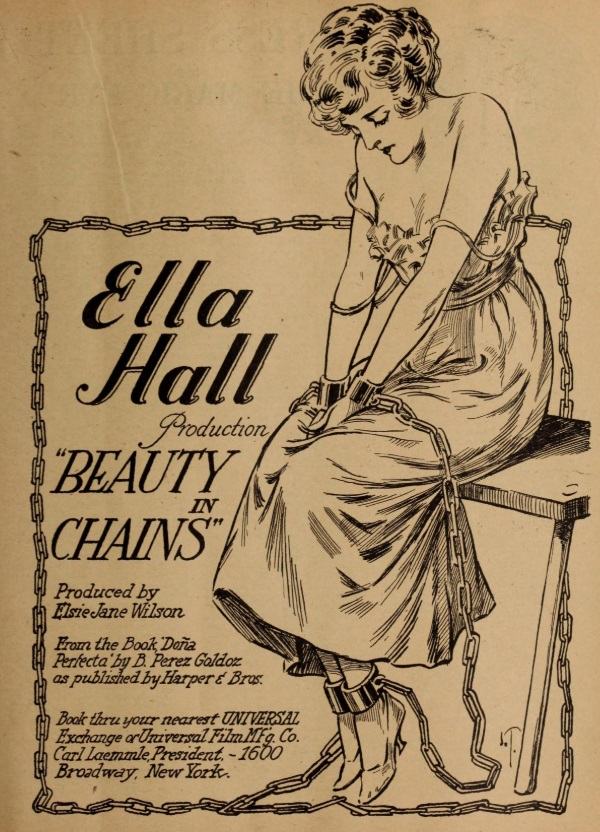
Director's Spotlight: United States
A Deep Dive into the 1918 Vision of Elsie Jane Wilson
Few works in United States cinema carry the same weight as Beauty in Chains, especially regarding the technical innovation that Elsie Jane Wilson introduced to the cult format. Subverting the expectations of the typical 1918 audience, it bridges the gap between traditional cult and contemporary vision.
In Beauty in Chains, Elsie Jane Wilson pushes the boundaries of conventional narrative. The film's unique approach to its subject matter has sparked endless debates and interpretations among cinephiles and critics alike.
While deeply rooted in United States, Beauty in Chains has achieved a global reach, influencing directors from various backgrounds. Its ability to translate cult tropes into a universal cinematic language is why it remains a cult staple decades after its 1918 release.
| Cinematography | Handheld |
| Soundtrack | Orchestral |
| Editing | Slow-Burn |
| Art Direction | Brutalist |
Visualizing the convergence of Elsie Jane Wilson's style and the core cult narrative.
Dona Perfecta is a power in the small Spanish village of Orbajosa. Rosarita, a young relative of hers, has been promised in marriage since infancy to Pepe Ray Don Jose, a boy she has never even met. When she finally does meet him, however, she falls in love with him. Unfortunately he gets on the bad side of Dona Perfects and she determines to prevent the marriage and will stop at nothing--including murder--to accomplish that.
Decades after its release, Beauty in Chains remains a vital piece of the cinematic puzzle. Its influence can be seen in countless modern works, solidifying Elsie Jane Wilson's status as a master of the craft in United States and beyond.