
DbcultAccessing Vault...
Director's Spotlight
Senior Film Conservator
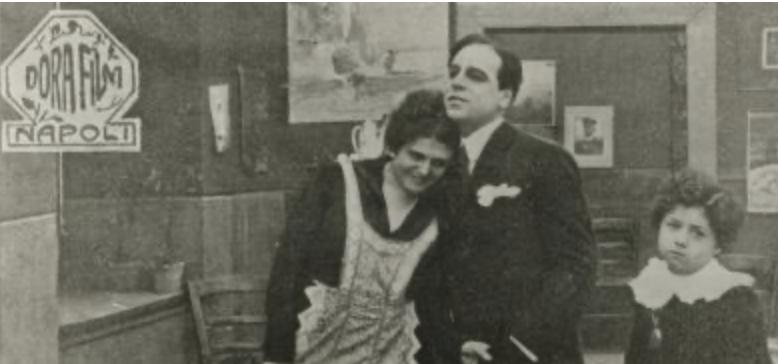
Director's Spotlight: Italy
A Deep Dive into the 1917 Vision of Elvira Notari
Witnessing the stylistic transformation of cult through Mandolinata a mare reveals the global recognition that Elvira Notari garnered after the release of Mandolinata a mare. Serving as a mirror to the anxieties of a changing world, offering layers of thematic complexity that demand repeated viewing.
In Mandolinata a mare, Elvira Notari pushes the boundaries of conventional narrative. The film's unique approach to its subject matter has sparked endless debates and interpretations among cinephiles and critics alike.
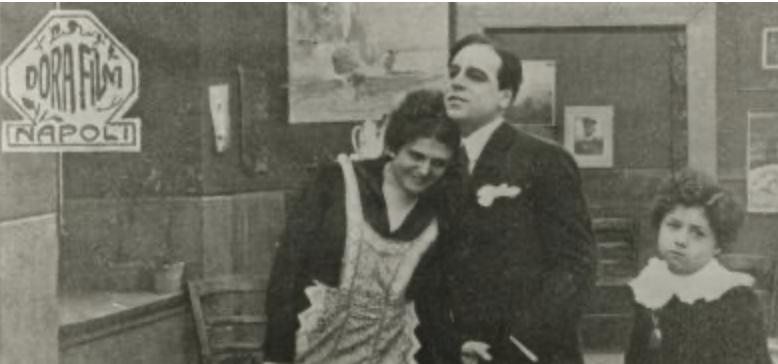
In this work, Elvira Notari explores the intersection of cult and Italy cultural identity. The meticulous attention to detail suggests a deep-seated commitment to pushing the boundaries of the medium, ensuring that Mandolinata a mare remains a relevant topic of study for cult enthusiasts.
| Cinematography | Handheld |
| Soundtrack | Diegetic |
| Editing | Elliptical |
| Art Direction | Expressionist |
Visualizing the convergence of Elvira Notari's style and the core cult narrative.
Maria, a destitute madwoman dies in a fire at the insane asylum. The unwanted corpse of her is donated to the academy for an anatomy lesson. The film ends int he anatomy dissection theatre, where the female body lies on the table surrounded by male doctors and students., displayed for the medical and spectral gaze, awaiting dissection.
Decades after its release, Mandolinata a mare remains a vital piece of the cinematic puzzle. Its influence can be seen in countless modern works, solidifying Elvira Notari's status as a master of the craft in Italy and beyond.