
DbcultAccessing Vault...
Director's Spotlight
Senior Film Conservator
Director's Spotlight: Germany
A Deep Dive into the 1923 Vision of Emil Justitz
As we revisit the 1923 masterpiece Dämon Zirkus, we are struck by the meticulous attention to detail that Emil Justitz applied to every frame. Anchored by a narrative that is both personal and universal, it bridges the gap between traditional Drama and contemporary vision.
In Dämon Zirkus, Emil Justitz pushes the boundaries of conventional narrative. The film's unique approach to its subject matter has sparked endless debates and interpretations among cinephiles and critics alike.
To fully appreciate Dämon Zirkus, one must consider the cinematic climate of 1923. During this period, Germany was undergoing significant artistic shifts, and Emil Justitz was at the forefront of this Drama movement, often challenging established norms.
| Cinematography | Deep Focus |
| Soundtrack | Diegetic |
| Editing | Elliptical |
| Art Direction | Expressionist |
Visualizing the convergence of Emil Justitz's style and the core Drama narrative.
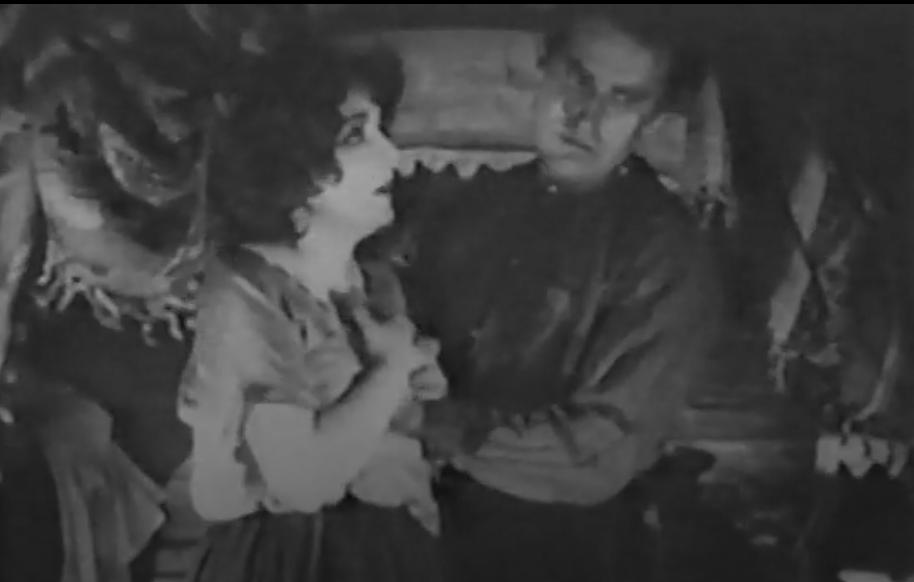
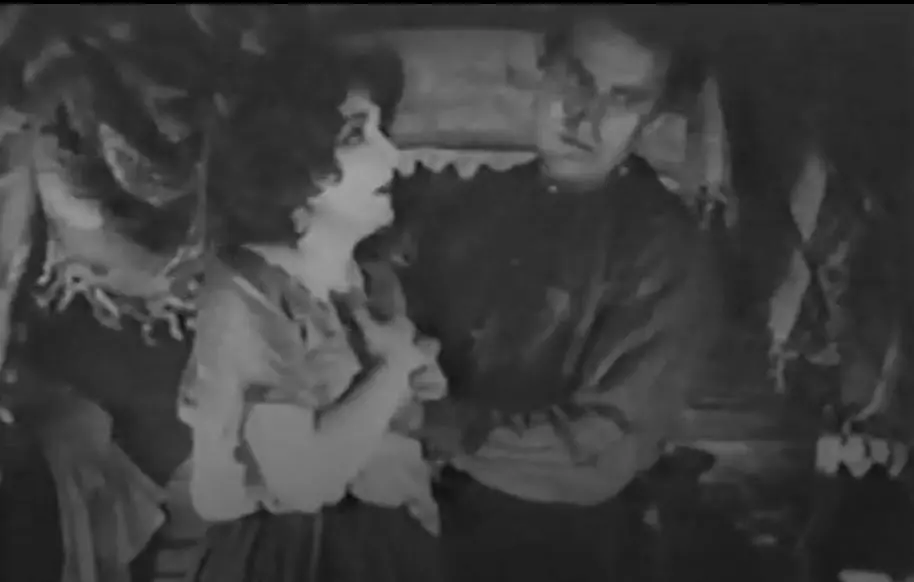
A triangle drama involving a female circus owner's favor has consequences. Paula Busch, the grande dame of German circus, depicts a story from the world of artists, tents and wagons.
Decades after its release, Dämon Zirkus remains a vital piece of the cinematic puzzle. Its influence can be seen in countless modern works, solidifying Emil Justitz's status as a master of the craft in Germany and beyond.