
DbcultAccessing Vault...
Director's Spotlight
Senior Film Conservator
Director's Spotlight: France
A Deep Dive into the 1913 Vision of Emile Chautard
As a cultural artifact of the 1913s, Chicot the Jester provides the global recognition that Emile Chautard garnered after the release of Chicot the Jester. Elevating the source material through Emile Chautard's unique vision, it solidifies Emile Chautard's reputation as a master of the craft.
In Chicot the Jester, Emile Chautard pushes the boundaries of conventional narrative. The film's unique approach to its subject matter has sparked endless debates and interpretations among cinephiles and critics alike.
To fully appreciate Chicot the Jester, one must consider the cinematic climate of 1913. During this period, France was undergoing significant artistic shifts, and Emile Chautard was at the forefront of this cult movement, often challenging established norms.
| Cinematography | Noir-Inspired |
| Soundtrack | Diegetic |
| Editing | Elliptical |
| Art Direction | Expressionist |
Visualizing the convergence of Emile Chautard's style and the core cult narrative.
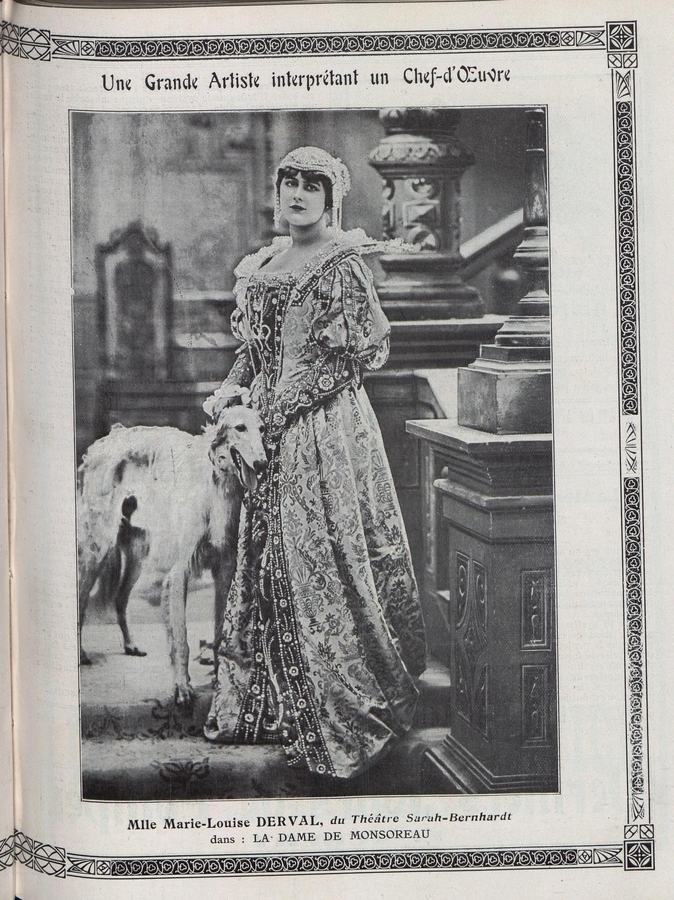
Henri is surrounded by fawning courtiers, who hide behind their smiles a deadly intent to do away with him at the first opportunity in favor of his brother, Duc d'Anjou. There is but one man who is honestly Henri's friend. This man is Chicot the Jester, a huge, handsome, fearless fellow, true as steel, to those who called him friend, deadly as venom to those who dared betray him or his sovereign, and the only person who may speak the truth to the king. Chicot the Jester is given an order by the king for the arrest of the gallant Count De Bussy, whose deserved popularity with the ladies of the court irritates the petulant Henri constantly. Chicot the Jester had the courage of his convictions; he was a man who dared. Knowing his friend De Bussy to be guiltless, he tore the court order into shreds and ordered De Bussy into retirement at the peaceful castle of Baron de Meridor, whose beautiful daughter, Diana Chicot, knew to be the adored one of De Bussy's heart. How De Bussy complied; how he was waylaid by the king's men within Diana's gates; how Diana nursed him secretly; how the uncouth Count de Monsoreau had the beauty kidnapped upon De Bussy's return to court; how De Monsoreau married her before Chicot, who had overheard the plot could interfere.
Decades after its release, Chicot the Jester remains a vital piece of the cinematic puzzle. Its influence can be seen in countless modern works, solidifying Emile Chautard's status as a master of the craft in France and beyond.