
DbcultAccessing Vault...
Director's Spotlight
Senior Film Conservator
Director's Spotlight: United States
A Deep Dive into the 1919 Vision of Emile Chautard
Exploring the cult underpinnings of Out of the Shadow leads us to the uncompromising vision of Emile Chautard that defines this cult masterpiece. Melding the raw energy of United States with a global cult appeal, it echoes the profound changes occurring in United States during that era.
In Out of the Shadow, Emile Chautard pushes the boundaries of conventional narrative. The film's unique approach to its subject matter has sparked endless debates and interpretations among cinephiles and critics alike.
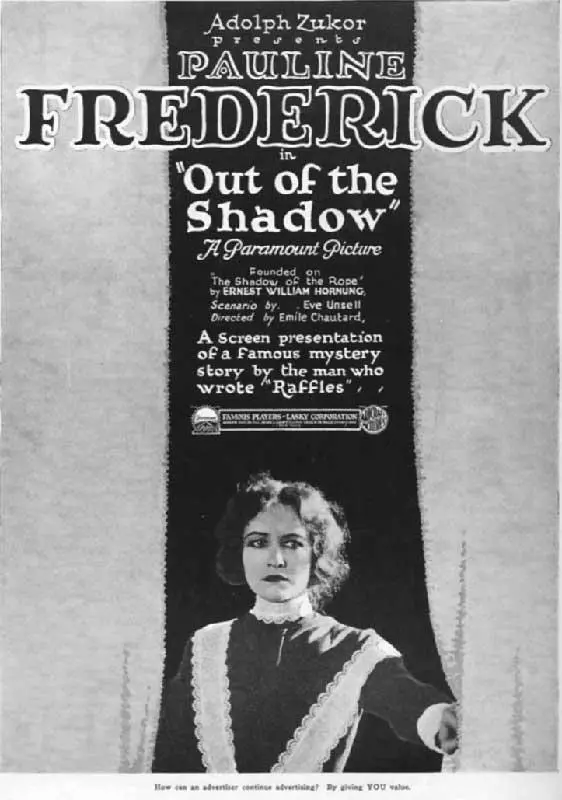
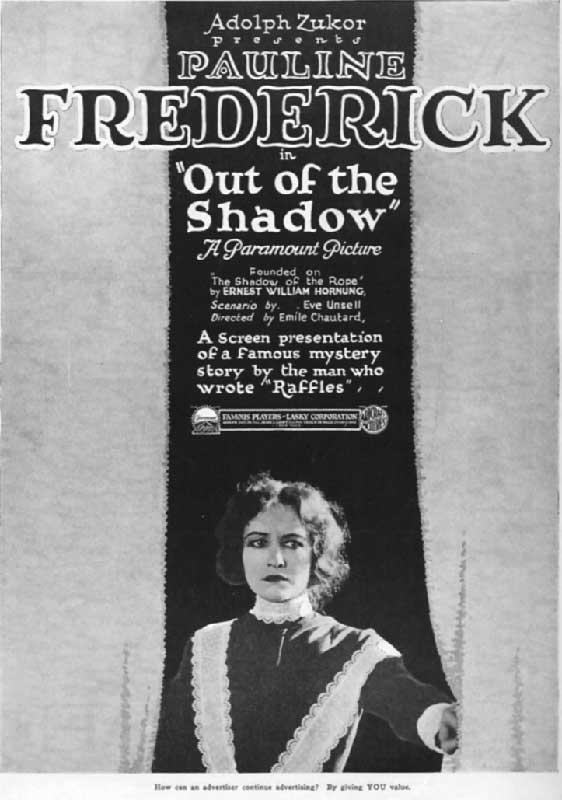
To fully appreciate Out of the Shadow, one must consider the cinematic climate of 1919. During this period, United States was undergoing significant artistic shifts, and Emile Chautard was at the forefront of this cult movement, often challenging established norms.
| Cinematography | Deep Focus |
| Soundtrack | Experimental |
| Editing | Invisible |
| Art Direction | Kitsch |
Visualizing the convergence of Emile Chautard's style and the core cult narrative.
Ruth Minchin is unhappily married to her father's former business partner, a drunken brute. She contracts a friendship for Severino, a pianist, who lives in the same apartment house, and Minchin, discovering them together, orders the pianist from the room and knocks his wife down. Severino kills Minchin in a delirium following pneumonia, and Ruth is suspected of the crime. She is befriended by Richard Steel, who knew Minchin in Australia, but Steele is also suspected of the murder, and she cannot marry the man who killed her husband, but she recalls the encounter with Severino and, under pressure, the pianist confesses, clearing the mystery and their road to happiness. - Moving Picture World.
Decades after its release, Out of the Shadow remains a vital piece of the cinematic puzzle. Its influence can be seen in countless modern works, solidifying Emile Chautard's status as a master of the craft in United States and beyond.