
DbcultAccessing Vault...
Director's Spotlight
Senior Film Conservator
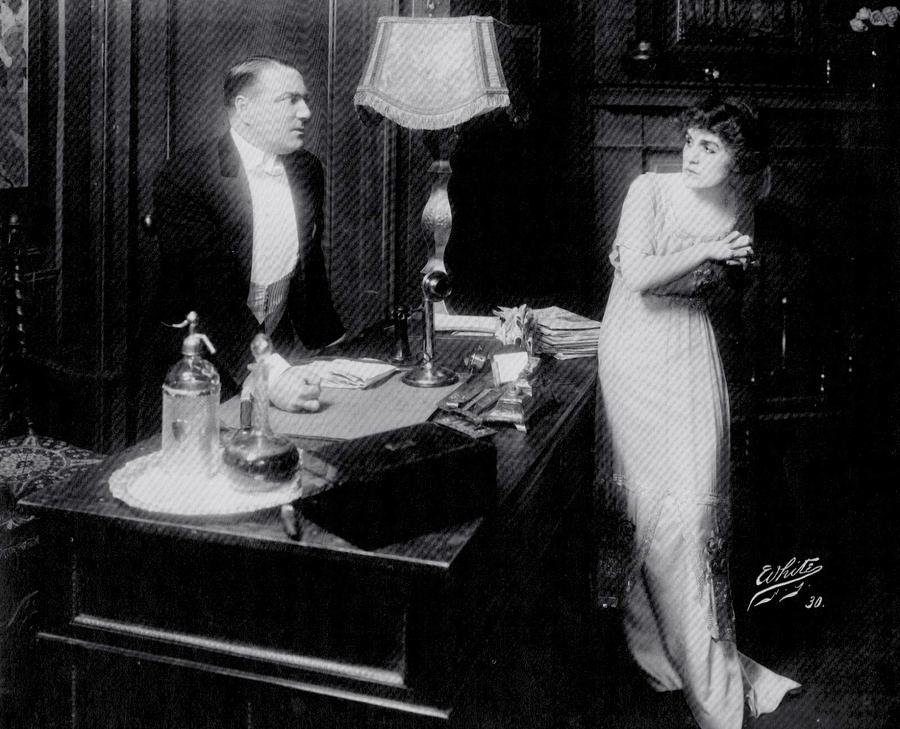
Director's Spotlight: United States
A Deep Dive into the 1915 Vision of Emile Chautard
Exploring the cult underpinnings of The Boss leads us to the uncompromising vision of Emile Chautard that defines this cult masterpiece. Melding the raw energy of United States with a global cult appeal, it echoes the profound changes occurring in United States during that era.
In The Boss, Emile Chautard pushes the boundaries of conventional narrative. The film's unique approach to its subject matter has sparked endless debates and interpretations among cinephiles and critics alike.
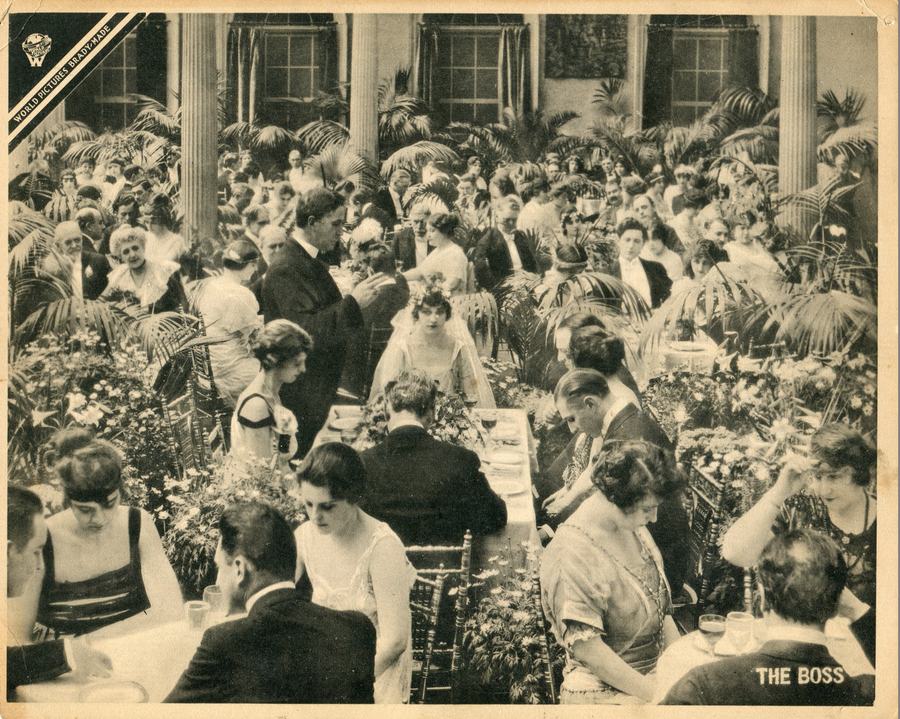
While deeply rooted in United States, The Boss has achieved a global reach, influencing directors from various backgrounds. Its ability to translate cult tropes into a universal cinematic language is why it remains a cult staple decades after its 1915 release.
| Cinematography | Handheld |
| Soundtrack | Experimental |
| Editing | Elliptical |
| Art Direction | Expressionist |
Visualizing the convergence of Emile Chautard's style and the core cult narrative.
With the $1,000 prize money that wharf rat Michael Regan wins boxing, he is able to purchase a saloon and a freight-handling concern and begin his rise to success. By persuading his men to work for half the standard rate, Regan gains control of grain-shipping contracts held by his rival, the once wealthy James Griswold, now on the verge of bankruptcy because of Regan. When Regan meets and falls in love with Emily Griswold, he offers to merge with Griswold for permission to court Emily. She marries Regan, but remains a wife in name only. When Griswold's son provokes a strike, Regan's friend, Porkey McCoy, hits the young Griswold with a brick as he makes a speech. Regan is arrested as an instigator, but McCoy's wife insists that her husband confess. In prison, Regan turns over his property to Emily and releases her from their marriage, but she has grown to love him and refuses. When he is released, they resume their marriage and become the godparents to McCoy's son.
Decades after its release, The Boss remains a vital piece of the cinematic puzzle. Its influence can be seen in countless modern works, solidifying Emile Chautard's status as a master of the craft in United States and beyond.