
DbcultAccessing Vault...
Director's Spotlight
Senior Film Conservator
Director's Spotlight: United States
A Deep Dive into the 1918 Vision of Emile Chautard
The 1918 release of The Marionettes marked a significant moment for the stylistic boundaries pushed by Emile Chautard during the production. In the context of United States's rich cinematic history, it invites us to question our own perceptions of cult narratives.
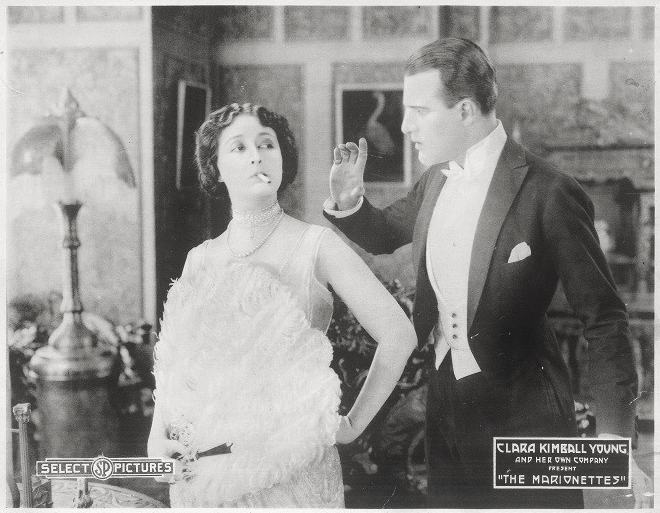
In The Marionettes, Emile Chautard pushes the boundaries of conventional narrative. The film's unique approach to its subject matter has sparked endless debates and interpretations among cinephiles and critics alike.
| Cinematography | High-Contrast |
| Soundtrack | Experimental |
| Editing | Invisible |
| Art Direction | Kitsch |
Visualizing the convergence of Emile Chautard's style and the core cult narrative.
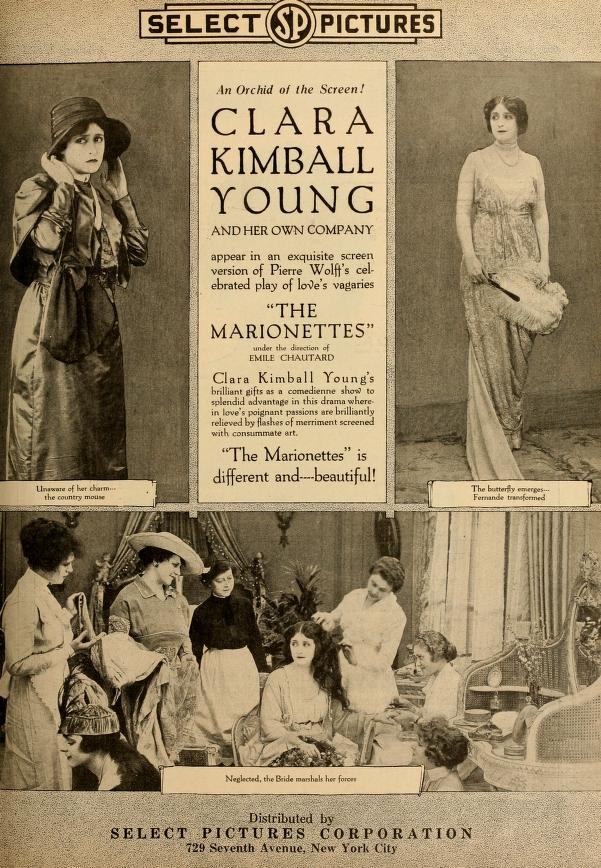
Fernande de Ferney, a convent-bred orphan, spends the summers with her uncle, Prof. de Ferney, whose property is adjacent to the estate of the Marquise de Monclars. The marquise's son Roger is heavily in debt, but the marquise adamantly refuses to give him any money until he settles down with the love struck Fernande. They are married, but Roger, who is embroiled in an affair with the fascinating Madame de Jussy, spends little time at home. Inspired by a puppet show that depicts a dowdy wife whose husband falls in love with her when she begins to flirt with other men, Fernande ornaments herself in jewels and stunning gowns and soon becomes the butterfly of Paris. The strategy proves successful: Roger abandons his other romantic interests to become her adoring husband.
Decades after its release, The Marionettes remains a vital piece of the cinematic puzzle. Its influence can be seen in countless modern works, solidifying Emile Chautard's status as a master of the craft in United States and beyond.