
DbcultAccessing Vault...
Director's Spotlight
Senior Film Conservator
Director's Spotlight: United States
A Deep Dive into the 1917 Vision of Emile Chautard
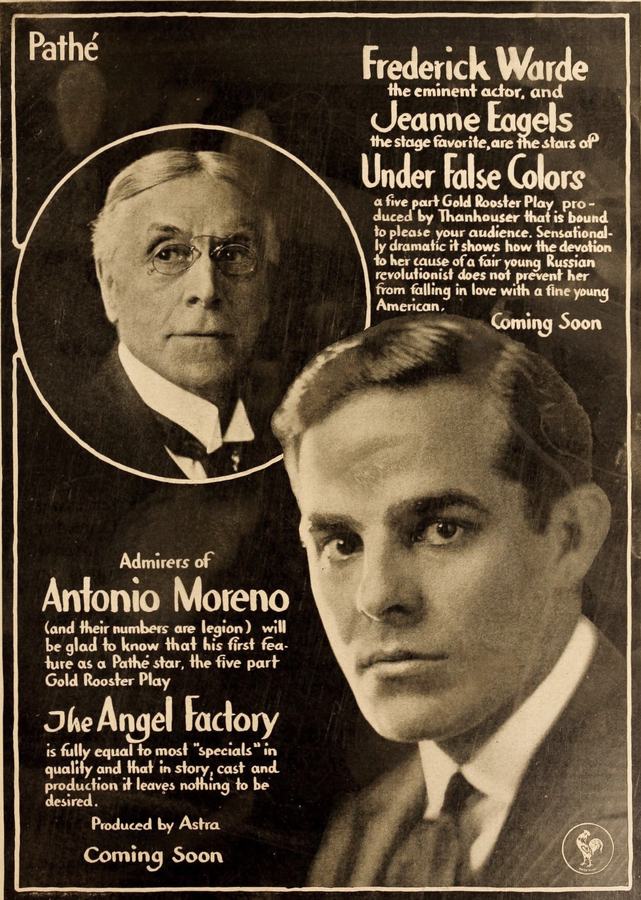
The thematic gravity of Under False Colors (1917) is rooted in the artistic risks taken by Emile Chautard that eventually paid off. Defining a new era of United States artistic expression, it demands to be seen by anyone who cares about the art of film.
In Under False Colors, Emile Chautard pushes the boundaries of conventional narrative. The film's unique approach to its subject matter has sparked endless debates and interpretations among cinephiles and critics alike.
In this work, Emile Chautard explores the intersection of cult and United States cultural identity. The meticulous attention to detail suggests a deep-seated commitment to pushing the boundaries of the medium, ensuring that Under False Colors remains a relevant topic of study for cult enthusiasts.
| Cinematography | Noir-Inspired |
| Soundtrack | Diegetic |
| Editing | Rhythmic |
| Art Direction | Naturalist |
Visualizing the convergence of Emile Chautard's style and the core cult narrative.
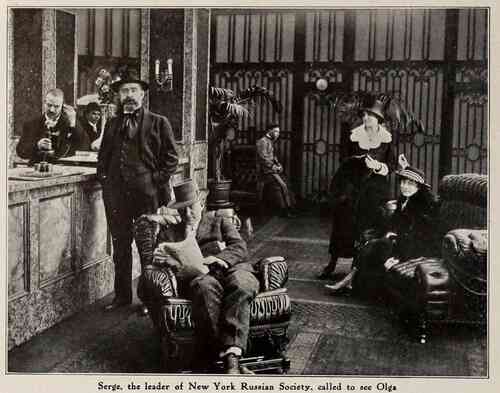
A young Russian woman escapes persecution in her country and makes her way to the United States. Shortly after her arrival she meets an American millionaire, John Colton. She pretends to be the daughter of a friend of Mr. Colton's in Poland, and he and his wife take her in. She takes advantage of her position with the Colton family to get inside tips on the stock market, which she then relays to a group of her fellow political refugees in New York City, so they can make money to use to bring about revolution in Russia. However, things don't go quite as she planned.
Decades after its release, Under False Colors remains a vital piece of the cinematic puzzle. Its influence can be seen in countless modern works, solidifying Emile Chautard's status as a master of the craft in United States and beyond.