
DbcultAccessing Vault...
Director's Spotlight
Senior Film Conservator
Director's Spotlight: United States
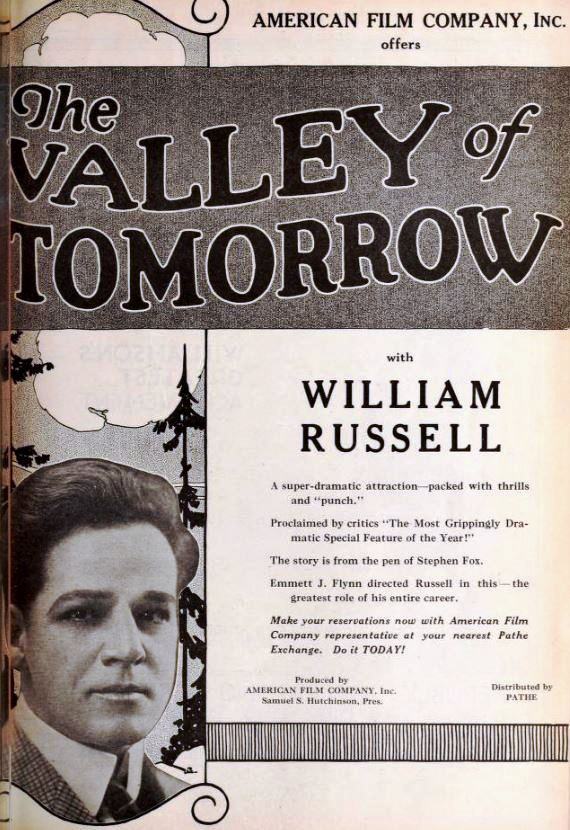
A Deep Dive into the 1920 Vision of Emmett J. Flynn
In the grand tapestry of Crime cinema, The Valley of Tomorrow serves as a bridge between the bold experimentation that has become synonymous with Emmett J. Flynn. Breaking the traditional rules of Crime engagement, it highlights the importance of independent voices in United States.
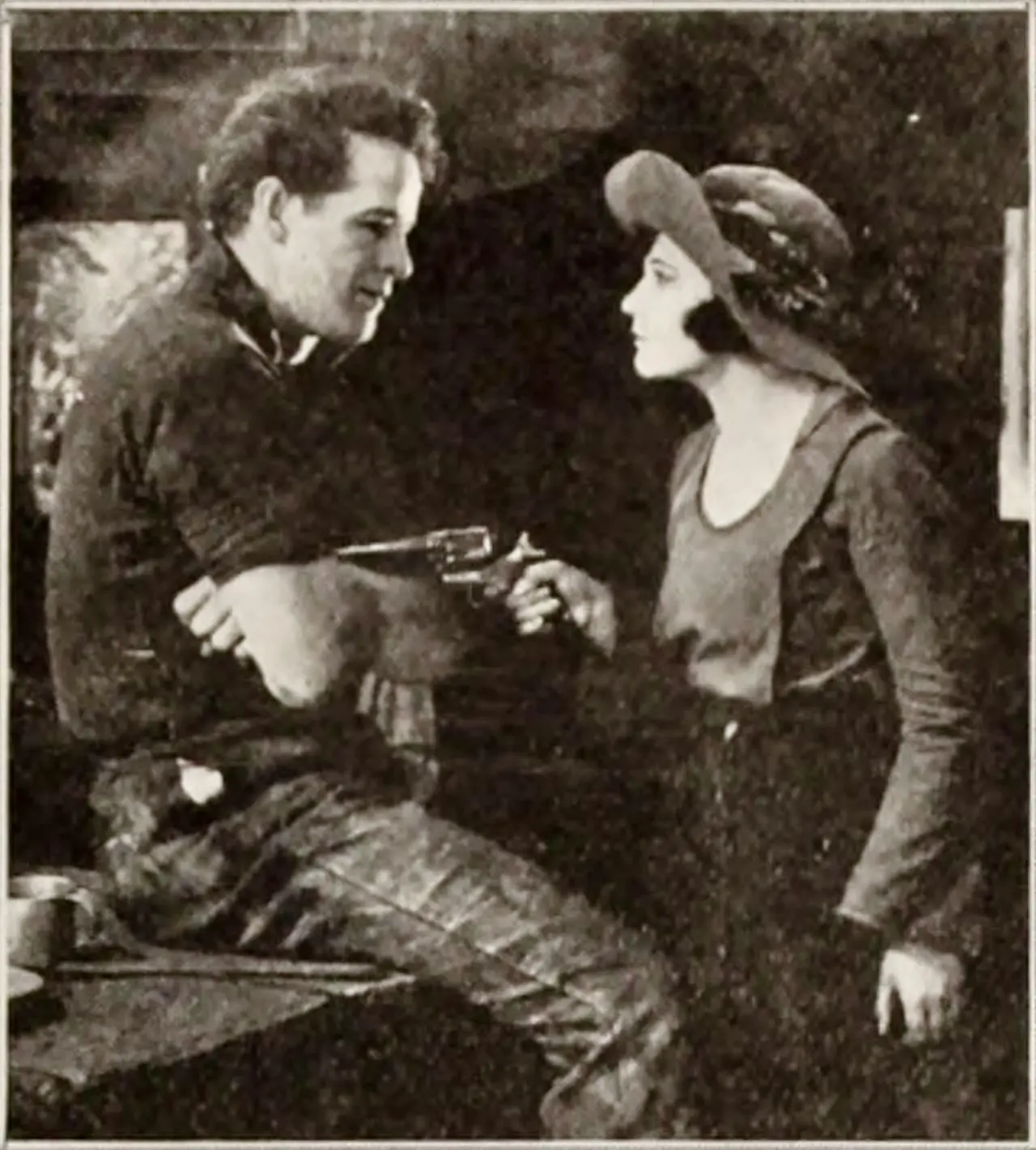
In The Valley of Tomorrow, Emmett J. Flynn pushes the boundaries of conventional narrative. The film's unique approach to its subject matter has sparked endless debates and interpretations among cinephiles and critics alike.
| Cinematography | Deep Focus |
| Soundtrack | Minimalist |
| Editing | Disjunctive |
| Art Direction | Baroque |
Visualizing the convergence of Emmett J. Flynn's style and the core Crime narrative.
Upon discovering that his sister has been driven to suicide by the betrayal of Enrico Colonna, young mountaineer Dabney Morgan swears to avenge her death. Setting out to find Colonna, Dabney becomes enmeshed in quicksand and is rescued from certain death by a stranger who turns out to be the man he is pursuing. In gratitude Dabney gives the culprit a chance to make his getaway, but in his plight, Colonna is fatally wounded by a shot from Dabney's rifle. At this moment, the victim's sister Elenore arrives and at gunpoint impels Dabney to remove her brother to a nearby cabin. Obliging her, Dabney soon finds himself falling in love with his captor, thus presenting a conflict between his duty to his dead sister and his love for Elenore. This dilemma is resolved when Colonna finally dies from his wounds, freeing the couple to begin a new life in the valley of tomorrow.
Decades after its release, The Valley of Tomorrow remains a vital piece of the cinematic puzzle. Its influence can be seen in countless modern works, solidifying Emmett J. Flynn's status as a master of the craft in United States and beyond.