
DbcultAccessing Vault...
Director's Spotlight
Senior Film Conservator
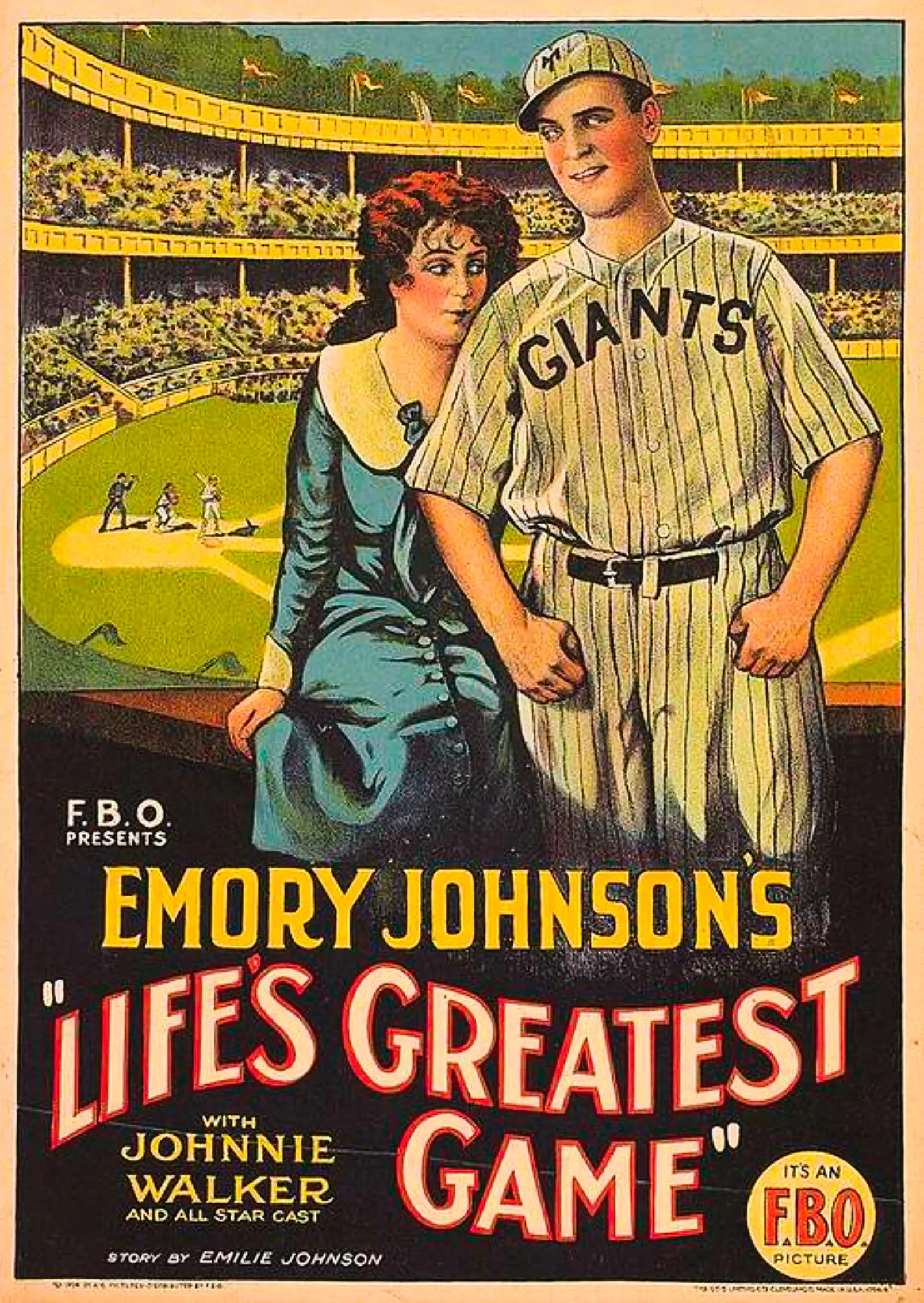
Director's Spotlight: United States
A Deep Dive into the 1924 Vision of Emory Johnson
The evocative power of Life's Greatest Game stems from the unique collaboration between the bold experimentation that has become synonymous with Emory Johnson. Framed by the hauntingly beautiful landscapes of the production, it echoes the profound changes occurring in United States during that era.
In Life's Greatest Game, Emory Johnson pushes the boundaries of conventional narrative. The film's unique approach to its subject matter has sparked endless debates and interpretations among cinephiles and critics alike.
In this work, Emory Johnson explores the intersection of Drama and United States cultural identity. The meticulous attention to detail suggests a deep-seated commitment to pushing the boundaries of the medium, ensuring that Life's Greatest Game remains a relevant topic of study for Drama enthusiasts.
| Cinematography | High-Contrast |
| Soundtrack | Experimental |
| Editing | Invisible |
| Art Direction | Kitsch |
Visualizing the convergence of Emory Johnson's style and the core Drama narrative.
Jack Donovan, a pitcher for the Chicago Cubs, refuses to throw a game for gambler Mike Moran. Moran retaliates by breaking up Donovan's family. Believing that his wife and son died in the sinking of an ocean liner, Donovan stays in baseball and, 20 years later, becomes manager of the New York Giants. What he doesn't know is that his family isn't dead and his son, Jack Jr., is now grown and looking for revenge against his father for what he believes was his abandonment of them.
Decades after its release, Life's Greatest Game remains a vital piece of the cinematic puzzle. Its influence can be seen in countless modern works, solidifying Emory Johnson's status as a master of the craft in United States and beyond.