
DbcultAccessing Vault...
Director's Spotlight
Senior Film Conservator
Director's Spotlight: United States
A Deep Dive into the 1924 Vision of Erle C. Kenton
When we examine the cinematic landscape of United States, Bring Him In emerges as a landmark work of the unique directorial voice that Erle C. Kenton brought to the screen. This film stands as a masterclass in visual storytelling, it demands to be seen by anyone who cares about the art of film.
In Bring Him In, Erle C. Kenton pushes the boundaries of conventional narrative. The film's unique approach to its subject matter has sparked endless debates and interpretations among cinephiles and critics alike.
| Cinematography | Noir-Inspired |
| Soundtrack | Diegetic |
| Editing | Elliptical |
| Art Direction | Expressionist |
Visualizing the convergence of Erle C. Kenton's style and the core Drama narrative.
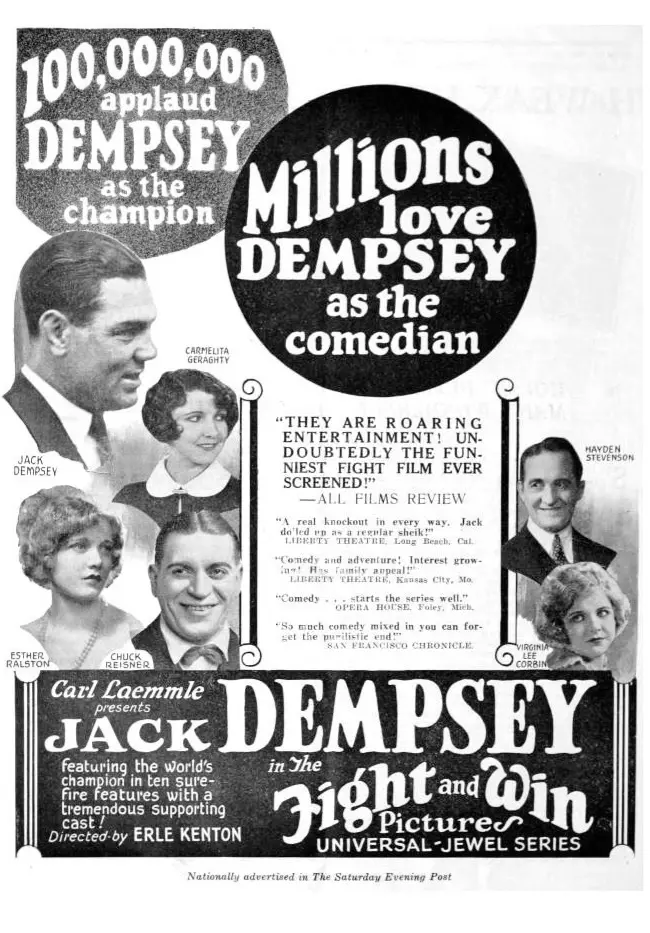
For his untiring work in keeping the members of the San Francisco police force in perfect condition, "Tiger" Jack O'Day, World's Champion Heavyweight, is made an honorary member of the force for twenty-four hours. The commissioner's daughter promises to let him lead the grand march of the policemen's ball, to be held that night, provided he sells one hundred tickets. While Jack is trying to sell the tickets, the editor of the city's most influential paper makes a wager with the commissioner that the first cop he sees will not be able to bring in the notorious thug, Spike McGann. The commissioner agrees to resign if the officer fails and the editor agrees to become his strongest backer if the cop succeeds. Jack happens to be the one selected and, although he manages to get Spike with little difficulty, he lets him get away in his eagerness to sell tickets to the ball. Later he learns that Spike is to fight that night and goes to the club and persuades the other boxer to let him take his place. Jack wins the fight and takes Spike to the commissioner at the ball just in time to lead the grand march and win the bet for the commissioner.
Decades after its release, Bring Him In remains a vital piece of the cinematic puzzle. Its influence can be seen in countless modern works, solidifying Erle C. Kenton's status as a master of the craft in United States and beyond.