
DbcultAccessing Vault...
Director's Spotlight
Senior Film Conservator
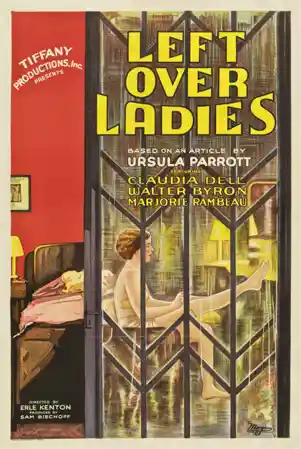
Director's Spotlight: United States
A Deep Dive into the 1931 Vision of Erle C. Kenton
Few works in United States cinema carry the same weight as Left Over Ladies, especially regarding the technical innovation that Erle C. Kenton introduced to the Drama format. Subverting the expectations of the typical 1931 audience, it bridges the gap between traditional Drama and contemporary vision.
In Left Over Ladies, Erle C. Kenton pushes the boundaries of conventional narrative. The film's unique approach to its subject matter has sparked endless debates and interpretations among cinephiles and critics alike.
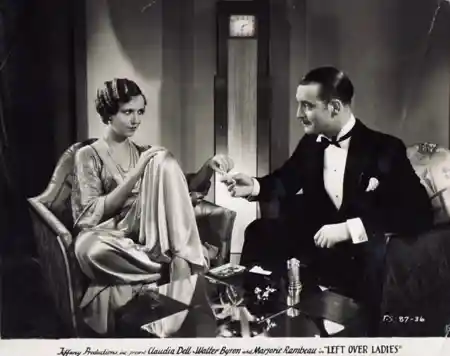
The visual language of Left Over Ladies is defined by its use of shadows and framing, a hallmark of Erle C. Kenton's style. By utilizing a 1931-era palette, the film creates an immersive experience that perfectly complements its Drama themes.
| Cinematography | Deep Focus |
| Soundtrack | Synth-Heavy |
| Editing | Disjunctive |
| Art Direction | Baroque |
Visualizing the convergence of Erle C. Kenton's style and the core Drama narrative.
Two married couples are involved in divorce proceedings; Patricia and Ronny, who are still in love with each other, and Jerry and Amy who couldn't care less for each other. Patricia's friendship with "Duchess," a tragic, aging lady well versed in making mistakes, leads her and Ronny to the avoidance of a mistake.
Decades after its release, Left Over Ladies remains a vital piece of the cinematic puzzle. Its influence can be seen in countless modern works, solidifying Erle C. Kenton's status as a master of the craft in United States and beyond.