
DbcultAccessing Vault...
Director's Spotlight
Senior Film Conservator
Director's Spotlight: United States
A Deep Dive into the 1919 Vision of Ernest C. Warde
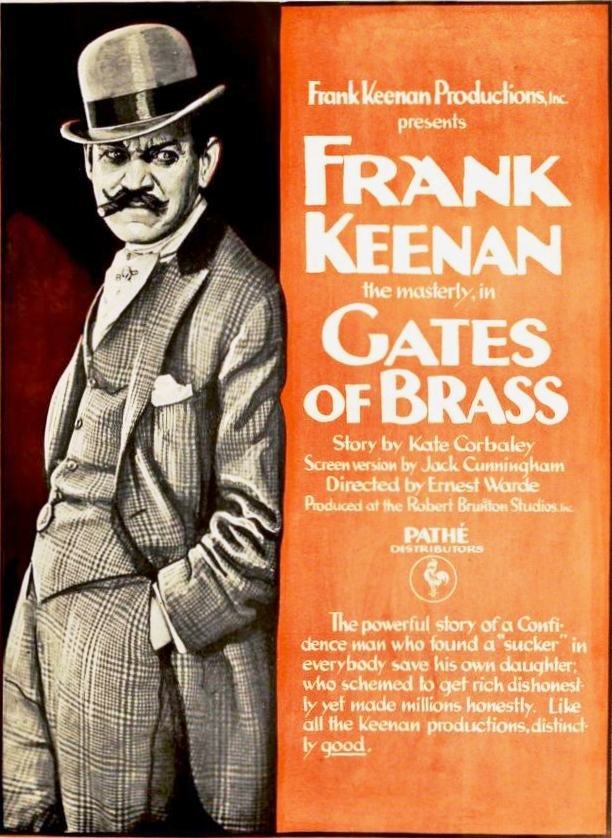
The brilliance of Gates of Brass (1919) is inseparable from a monumental shift in cult filmmaking spearheaded by Ernest C. Warde. Occupying a unique space between cult and pure art, it serves as a blueprint for future generations of cult directors.
In Gates of Brass, Ernest C. Warde pushes the boundaries of conventional narrative. The film's unique approach to its subject matter has sparked endless debates and interpretations among cinephiles and critics alike.
In this work, Ernest C. Warde explores the intersection of cult and United States cultural identity. The meticulous attention to detail suggests a deep-seated commitment to pushing the boundaries of the medium, ensuring that Gates of Brass remains a relevant topic of study for cult enthusiasts.
| Cinematography | Noir-Inspired |
| Soundtrack | Diegetic |
| Editing | Rhythmic |
| Art Direction | Naturalist |
Visualizing the convergence of Ernest C. Warde's style and the core cult narrative.
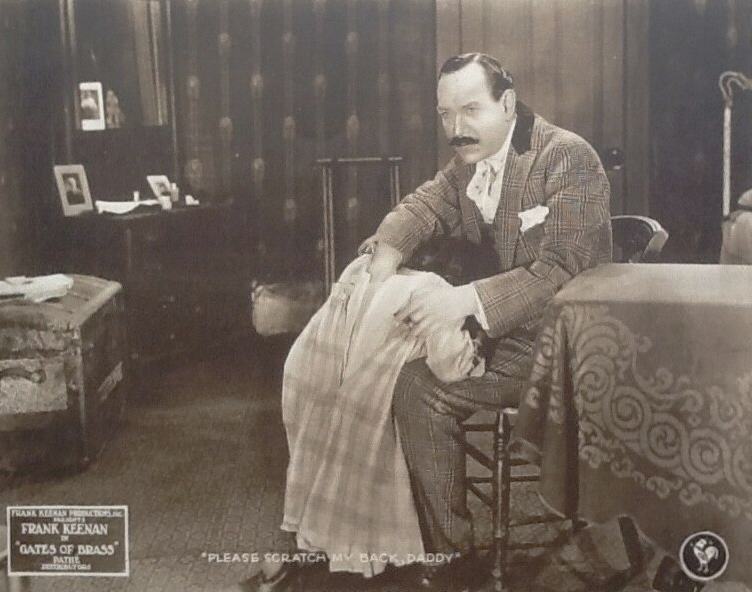
A pro at the shell game, Jim Blake practices his skills at country fairs, circuses, and carnivals until he becomes "J. Hatfield Blake," the promoter of phony stock and land deals which provide his beloved daughter Margaret with luxuries. Margaret falls in love with Dick Wilbur, who leaves her because Blake swindles his father out of $100,000 and Margaret sides with Blake. When Margaret meets a poor widow with starving babies to whom Blake sold some worthless desert land, she leaves him, saying she will not return until he rectifies his wrongdoings. She marries Dick, while Blake, shaken by her words, repays everyone who suffered from his dishonesty after he legitimately strikes oil. Alone on Christmas Eve, Blake invites some barroom characters to his mansion for a drunken dinner, after which, at his urging, they take his silverware and paintings. Blake continues to drink and when Margaret and Dick arrive to surprise him, they find him dead.
Decades after its release, Gates of Brass remains a vital piece of the cinematic puzzle. Its influence can be seen in countless modern works, solidifying Ernest C. Warde's status as a master of the craft in United States and beyond.