
DbcultAccessing Vault...
Director's Spotlight
Senior Film Conservator
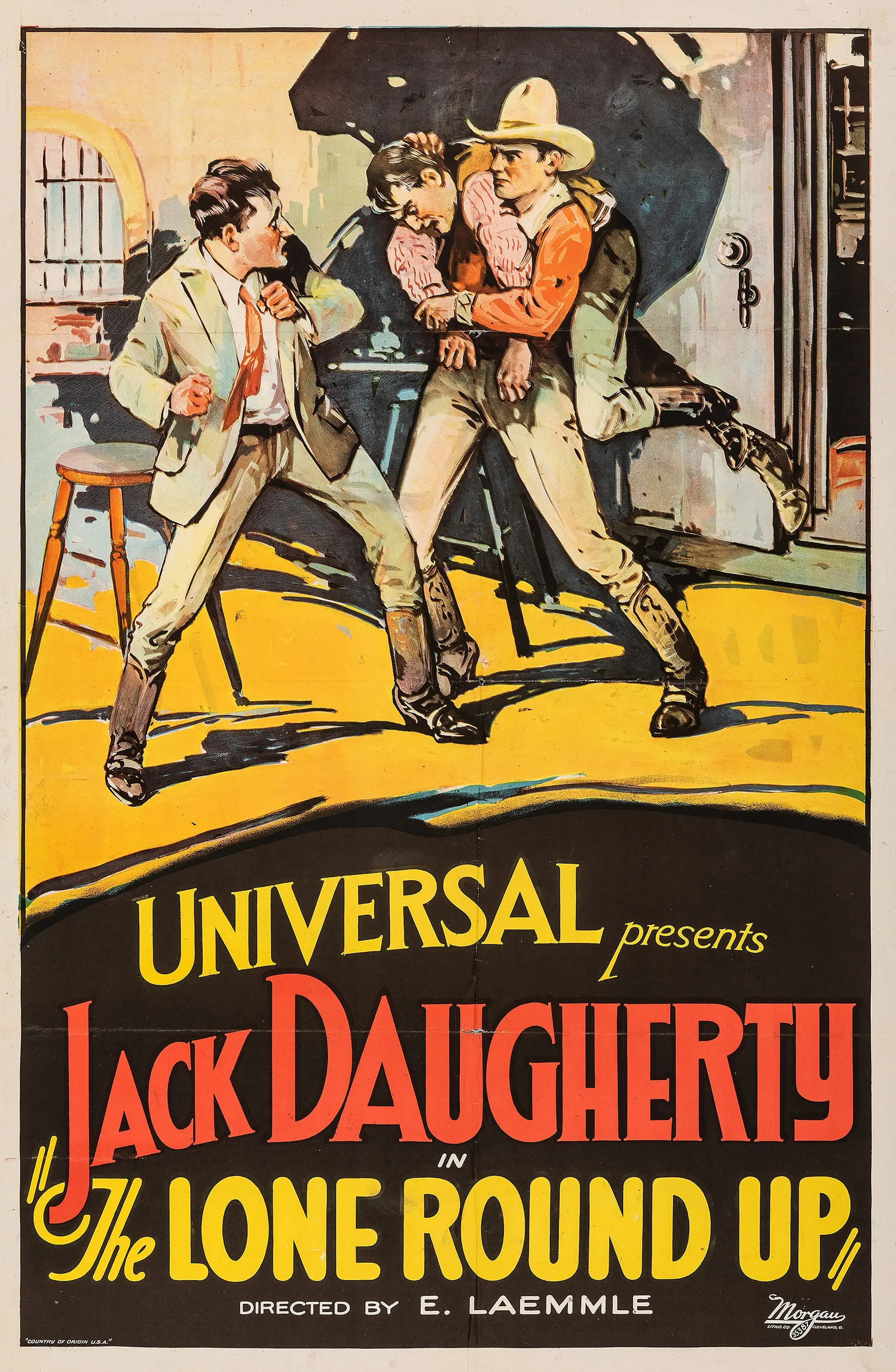
Director's Spotlight: United States
A Deep Dive into the 1924 Vision of Ernst Laemmle
Witnessing the stylistic transformation of Short through The Lone Round-Up reveals the provocative questions that Ernst Laemmle poses to the United States audience. Exploring the nuances of the human condition with Short flair, it showcases the power of Short as a tool for social commentary.
In The Lone Round-Up, Ernst Laemmle pushes the boundaries of conventional narrative. The film's unique approach to its subject matter has sparked endless debates and interpretations among cinephiles and critics alike.
| Cinematography | Static |
| Soundtrack | Minimalist |
| Editing | Disjunctive |
| Art Direction | Baroque |
Visualizing the convergence of Ernst Laemmle's style and the core Short narrative.
The scene is laid in a western town and opens with its leading citizen and bank president giving a dance to his debutante daughter, recently returned from finishing school in the big metropolis. A newcomer to the village is treasurer of the bank, and is making a play for the girl. Daugherty, as chief of the cattlemen, has always been her closest friend. The treasurer, who is engineering a bank robbery, takes her to the bank and opens the way for a band of thieves. Daugherty, who has trailed them, is knocked out. The treasurer turns suspicions in his direction. He escapes from the jail and follows the girl who has been captured by the bandits in her efforts to trail them. Daugherty rescues the girl and captures all of the bandits and their loot.
Decades after its release, The Lone Round-Up remains a vital piece of the cinematic puzzle. Its influence can be seen in countless modern works, solidifying Ernst Laemmle's status as a master of the craft in United States and beyond.