
DbcultAccessing Vault...
Director's Spotlight
Senior Film Conservator
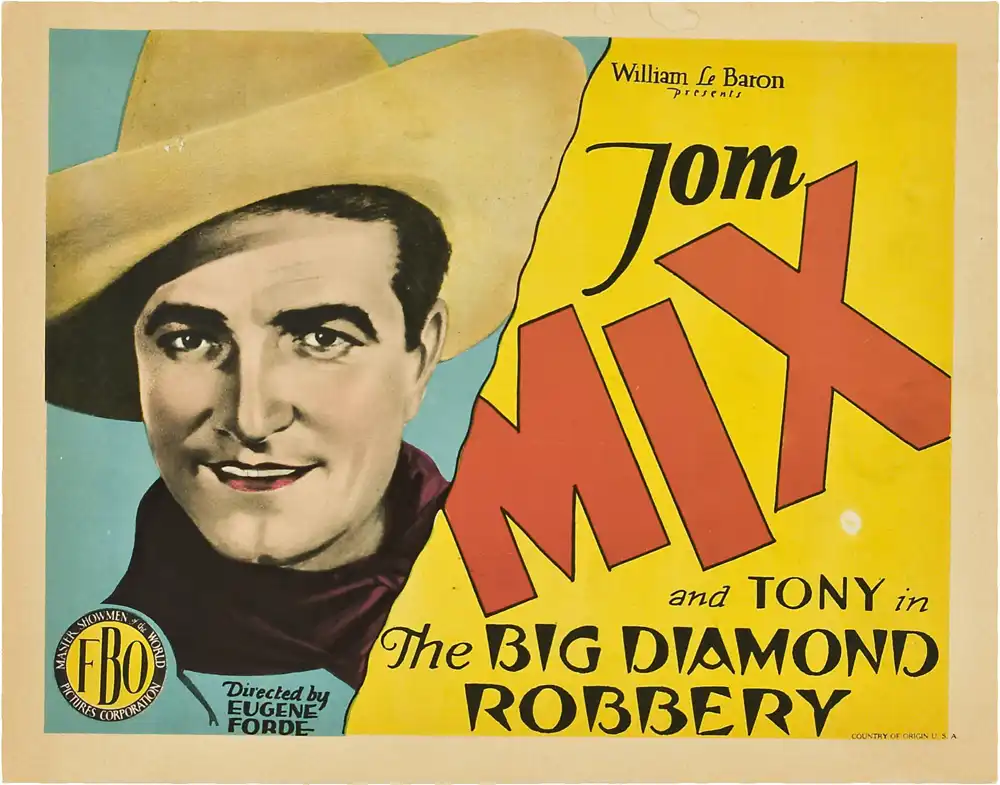
Director's Spotlight: United States
A Deep Dive into the 1929 Vision of Eugene Forde
Deciphering the layers of The Big Diamond Robbery (1929) reveals the complex thematic architecture established by Eugene Forde. Utilizing a 1929-specific aesthetic that remains timeless, it stands as the definitive 1929 statement on Action identity.
In The Big Diamond Robbery, Eugene Forde pushes the boundaries of conventional narrative. The film's unique approach to its subject matter has sparked endless debates and interpretations among cinephiles and critics alike.
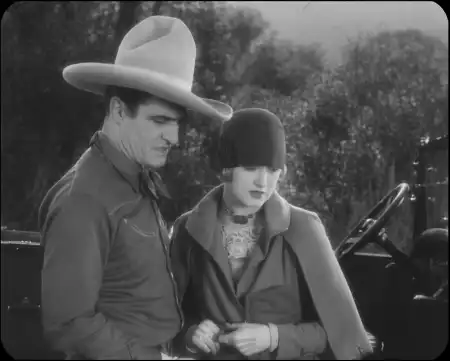
To fully appreciate The Big Diamond Robbery, one must consider the cinematic climate of 1929. During this period, United States was undergoing significant artistic shifts, and Eugene Forde was at the forefront of this Action movement, often challenging established norms.
| Cinematography | Handheld |
| Soundtrack | Orchestral |
| Editing | Invisible |
| Art Direction | Kitsch |
Visualizing the convergence of Eugene Forde's style and the core Action narrative.
Tom Markham is the foreman of an Arizona dude ranch. He travels to the "big city" for a meeting with the ranch's owner, George Brooks, after which he will accompany Brooks' daughter Ellen back to the ranch. Brooks tells Tom about the Regent diamond, a valuable stone that Brooks has set in a ring for Ellen. Ellen's friend Rodney Stevens hears about it. Stevens, who is actually the boss of a bandit gang, has his men steal the diamond, but Tom manages to get it back. Stevens doesn't give up, though, and hatches a plan that will get him back the diamond and frame Tom for stealing it.
Decades after its release, The Big Diamond Robbery remains a vital piece of the cinematic puzzle. Its influence can be seen in countless modern works, solidifying Eugene Forde's status as a master of the craft in United States and beyond.