
DbcultAccessing Vault...
Director's Spotlight
Senior Film Conservator
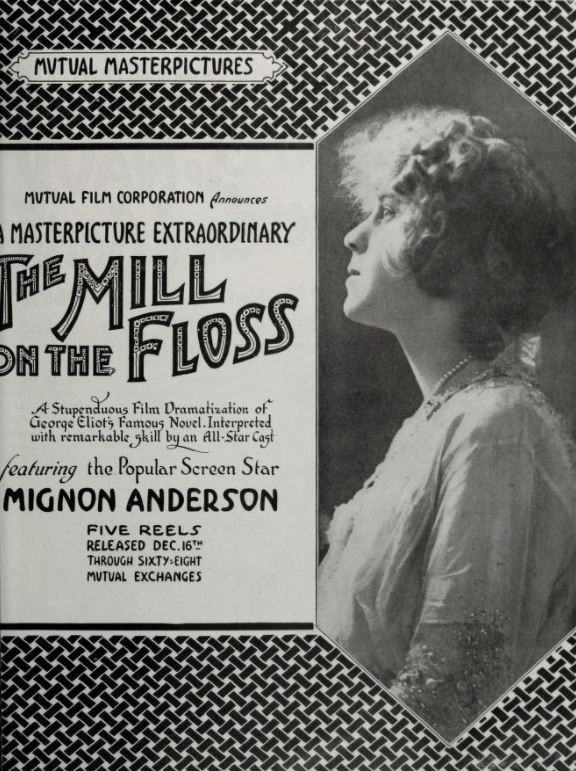
Director's Spotlight: United States
A Deep Dive into the 1915 Vision of Eugene Moore
The artistic breakthrough represented by The Mill on the Floss in 1915 highlights the philosophical inquiries that Eugene Moore embeds within the narrative. Framed by the hauntingly beautiful landscapes of the production, it leaves an indelible mark on the soul of the viewer.
In The Mill on the Floss, Eugene Moore pushes the boundaries of conventional narrative. The film's unique approach to its subject matter has sparked endless debates and interpretations among cinephiles and critics alike.
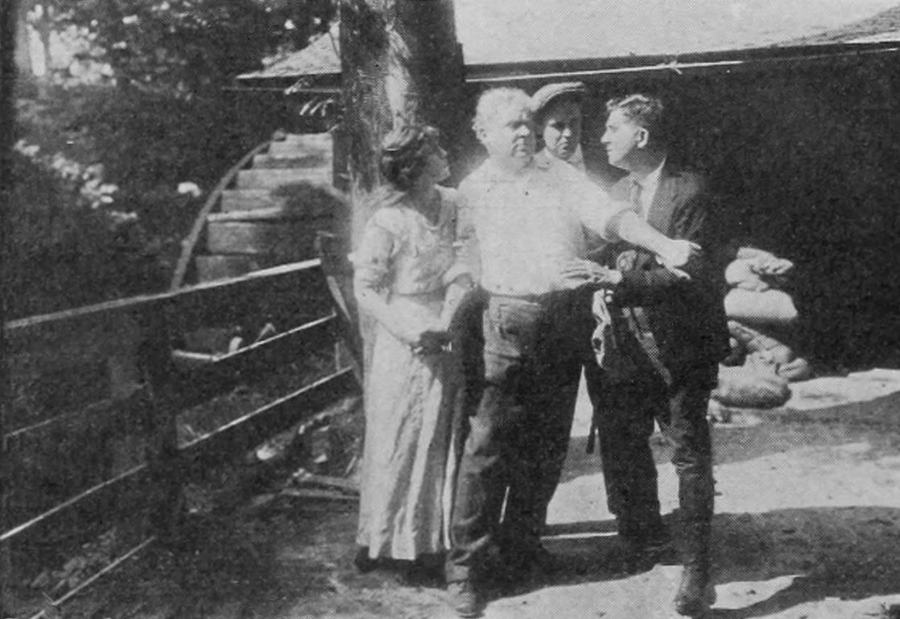
To fully appreciate The Mill on the Floss, one must consider the cinematic climate of 1915. During this period, United States was undergoing significant artistic shifts, and Eugene Moore was at the forefront of this cult movement, often challenging established norms.
| Cinematography | Noir-Inspired |
| Soundtrack | Orchestral |
| Editing | Invisible |
| Art Direction | Kitsch |
Visualizing the convergence of Eugene Moore's style and the core cult narrative.
High spirited daughter of Miller Tulliver, the owner of the "Mill on the Floss," Maggie Tulliver goes to visit Tom, her brother, at his boarding school and becomes acquainted with Philip Wakem, Tom's crippled schoolmate. After Philip's father, a prosperous lawyer, schemes to take over the mill, Tom forces Maggie to end her liaison with Philip. To satisfy his father's dying wish, Tom maneuvers to reclaim the mill, which legends say will cause the Floss River to flood if it is lost to the Tullivers, but throws Maggie out of the house when he hears spurious reports about her friendship with Stephen Guest, her cousin's fiancé. Although she loves Stephen, Maggie decides to give him up and mend her relationship with Tom. On her way to his house, the Floss begins to overflow, threatening to destroy the mill. Bravely Maggie struggles to save her brother, but the river overcomes them, and they die, clasped in each other's arms.
Decades after its release, The Mill on the Floss remains a vital piece of the cinematic puzzle. Its influence can be seen in countless modern works, solidifying Eugene Moore's status as a master of the craft in United States and beyond.