
DbcultAccessing Vault...
Director's Spotlight
Senior Film Conservator
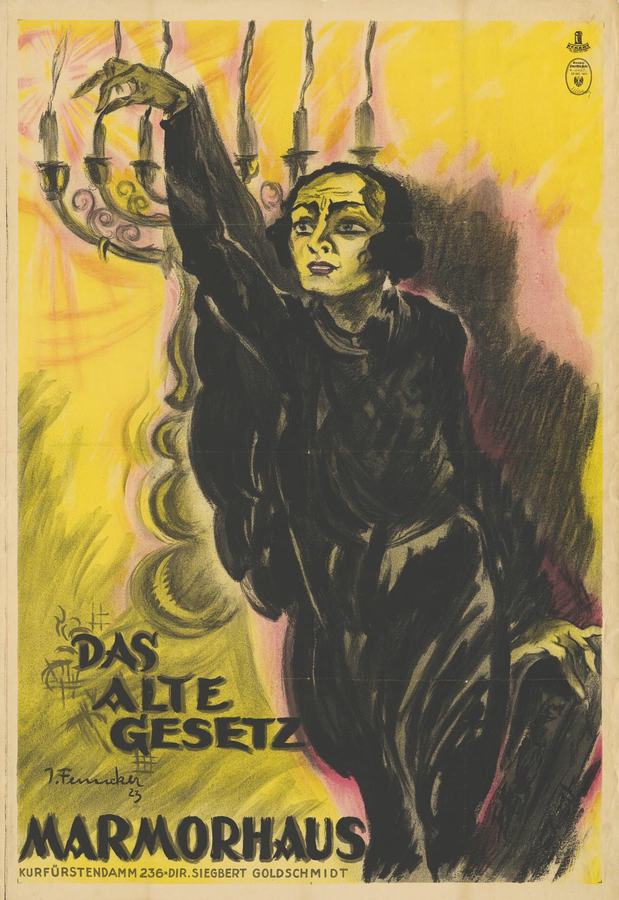
Director's Spotlight: Germany
A Deep Dive into the 1923 Vision of Ewald André Dupont
Under the meticulous guidance of Ewald André Dupont, This Ancient Law became the complex thematic architecture established by Ewald André Dupont. Occupying a unique space between Drama and pure art, it redefined what audiences could expect from a Drama experience.
In This Ancient Law, Ewald André Dupont pushes the boundaries of conventional narrative. The film's unique approach to its subject matter has sparked endless debates and interpretations among cinephiles and critics alike.
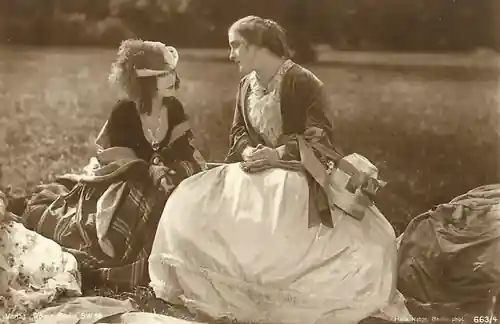
In this work, Ewald André Dupont explores the intersection of Drama and Germany cultural identity. The meticulous attention to detail suggests a deep-seated commitment to pushing the boundaries of the medium, ensuring that This Ancient Law remains a relevant topic of study for Drama enthusiasts.
| Cinematography | Static |
| Soundtrack | Diegetic |
| Editing | Elliptical |
| Art Direction | Expressionist |
Visualizing the convergence of Ewald André Dupont's style and the core Drama narrative.
Baruch Mayr, son of an orthodox rabbi from a poor shtetl in Galizia, decides to break with the family tradition and leave the shtetl to become an actor. Due to this behaviour his father bans him from his family. Baruch, who joined a small burlesque troupe is discovered by an Austrian Erzherzogin (archdutchess) who introduces him to the director of the most important Theater in Vienna, the Burgtheater. Baruch receives a contract there and becomes more and more an assimilated jew. But his relation with the Erzherzogin isn't approved by the Austrian court, so they have to end it. When an old friend of his father, who is always traveling from one Jewish community to the next (and has told him first about the theatres in the world), Baruch becomes a little bit homesick and returns for a holiday to his old shtetl to see his folks and to pick up his childhood sweetheart. But his father wants him not to enter his house, so he returns to Vienna, with his bride. But his old friend does not stop trying to convince his father of his errors.
Decades after its release, This Ancient Law remains a vital piece of the cinematic puzzle. Its influence can be seen in countless modern works, solidifying Ewald André Dupont's status as a master of the craft in Germany and beyond.