
DbcultAccessing Vault...
Director's Spotlight
Senior Film Conservator
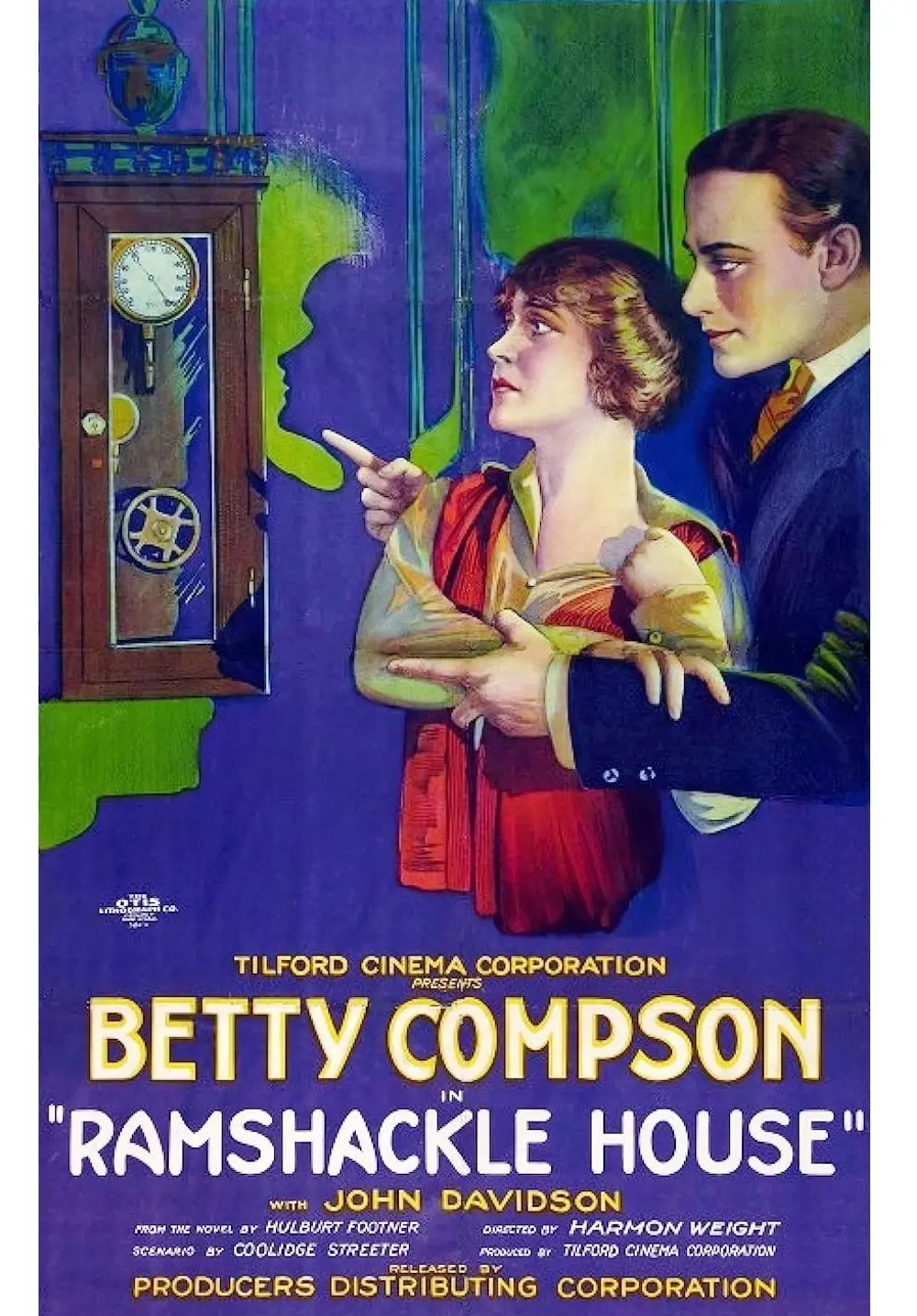
Director's Spotlight: United States
A Deep Dive into the 1924 Vision of F. Harmon Weight
Few works in United States cinema carry the same weight as Ramshackle House, especially regarding the technical innovation that F. Harmon Weight introduced to the Romance format. Subverting the expectations of the typical 1924 audience, it bridges the gap between traditional Romance and contemporary vision.
In Ramshackle House, F. Harmon Weight pushes the boundaries of conventional narrative. The film's unique approach to its subject matter has sparked endless debates and interpretations among cinephiles and critics alike.
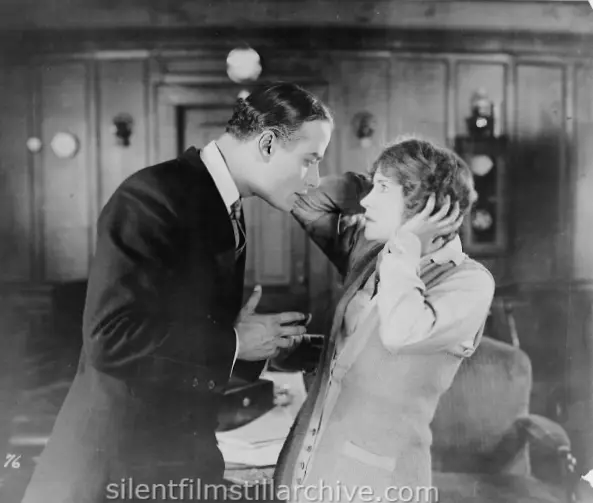
The visual language of Ramshackle House is defined by its use of shadows and framing, a hallmark of F. Harmon Weight's style. By utilizing a 1924-era palette, the film creates an immersive experience that perfectly complements its Romance themes.
| Cinematography | Deep Focus |
| Soundtrack | Experimental |
| Editing | Elliptical |
| Art Direction | Expressionist |
Visualizing the convergence of F. Harmon Weight's style and the core Romance narrative.
Pen Broome, who lives with her father on their rundown estate in southern Florida, helps Don Counsell hide from detectives who seek him for the murder of his business partner. Don is being framed by Ernest Riever, who holds the real murderer, Spike Talley, captive aboard his yacht. Don is finally captured by Riever and placed in a ballast bulkhead into which water is allowed to flow. Pen finds the yacht with the aid of a Seminole man and offers Riever marriage in return for Don's life just as Spike breaks in. Fearing a double-cross, he denounces Riever for the murder. Detectives enter and rescue Don, while Riever shoots himself.
Decades after its release, Ramshackle House remains a vital piece of the cinematic puzzle. Its influence can be seen in countless modern works, solidifying F. Harmon Weight's status as a master of the craft in United States and beyond.