
DbcultAccessing Vault...
Director's Spotlight
Senior Film Conservator
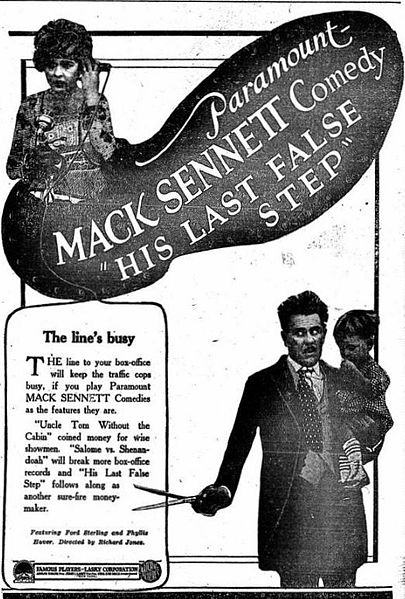
Director's Spotlight: United States
A Deep Dive into the 1919 Vision of F. Richard Jones
The 1919 release of His Last False Step marked a significant moment for the stylistic boundaries pushed by F. Richard Jones during the production. In the context of United States's rich cinematic history, it invites us to question our own perceptions of cult narratives.
In His Last False Step, F. Richard Jones pushes the boundaries of conventional narrative. The film's unique approach to its subject matter has sparked endless debates and interpretations among cinephiles and critics alike.
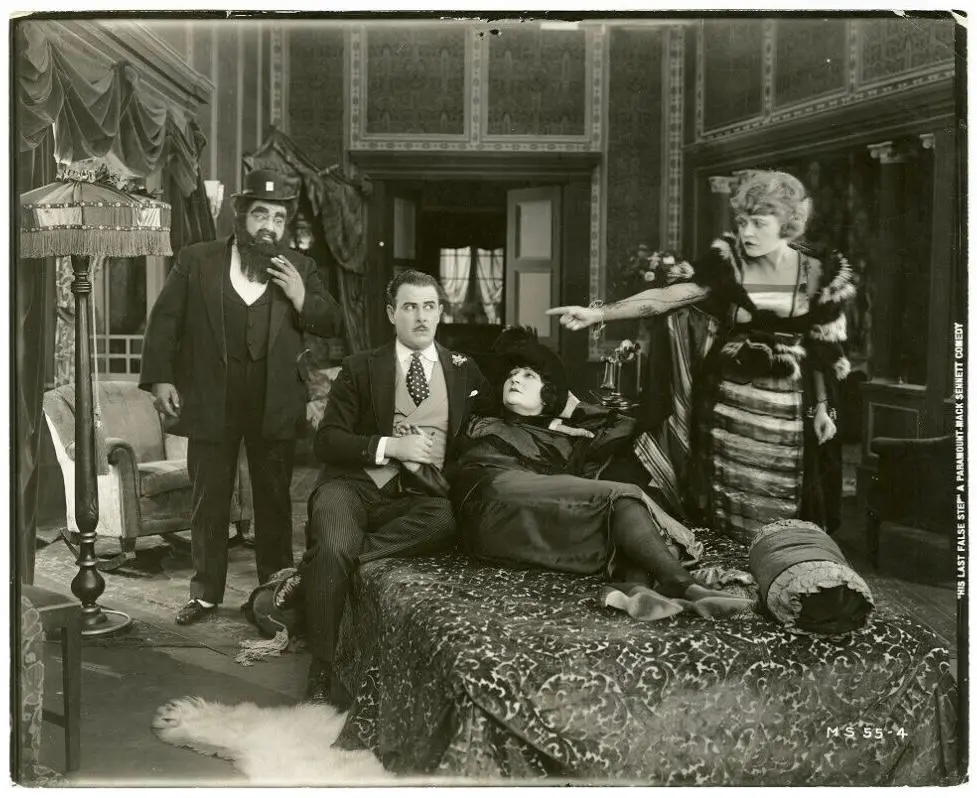
The visual language of His Last False Step is defined by its use of shadows and framing, a hallmark of F. Richard Jones's style. By utilizing a 1919-era palette, the film creates an immersive experience that perfectly complements its cult themes.
| Cinematography | Deep Focus |
| Soundtrack | Diegetic |
| Editing | Elliptical |
| Art Direction | Expressionist |
Visualizing the convergence of F. Richard Jones's style and the core cult narrative.
A foolish husband attempts to make a date with a fair and frivolous charmer whose card has come into his possession, and is arranging all the details while his wife stands listening. He tries to explain that it is a business matter, but is forced to go to the bathroom to think it over. While thus engaged he has a horrible dream of his adventures with the frivolous lady who puts him through the exciting adventures of a badger game. That he finally escapes and wakes to find himself safe at home determines him that it shall be his last false step.
Decades after its release, His Last False Step remains a vital piece of the cinematic puzzle. Its influence can be seen in countless modern works, solidifying F. Richard Jones's status as a master of the craft in United States and beyond.