
DbcultAccessing Vault...
Director's Spotlight
Senior Film Conservator
Director's Spotlight: United States
A Deep Dive into the 1917 Vision of Floyd France
When we examine the cinematic landscape of United States, The Princess' Necklace emerges as a landmark work of the enduring legacy of Floyd France's artistic contribution to the genre. Through a lens of existential fatalism and cult tropes, it captures a specific kind of cinematic magic that is rarely replicated.
In The Princess' Necklace, Floyd France pushes the boundaries of conventional narrative. The film's unique approach to its subject matter has sparked endless debates and interpretations among cinephiles and critics alike.
While deeply rooted in United States, The Princess' Necklace has achieved a global reach, influencing directors from various backgrounds. Its ability to translate cult tropes into a universal cinematic language is why it remains a cult staple decades after its 1917 release.
| Cinematography | Noir-Inspired |
| Soundtrack | Experimental |
| Editing | Elliptical |
| Art Direction | Expressionist |
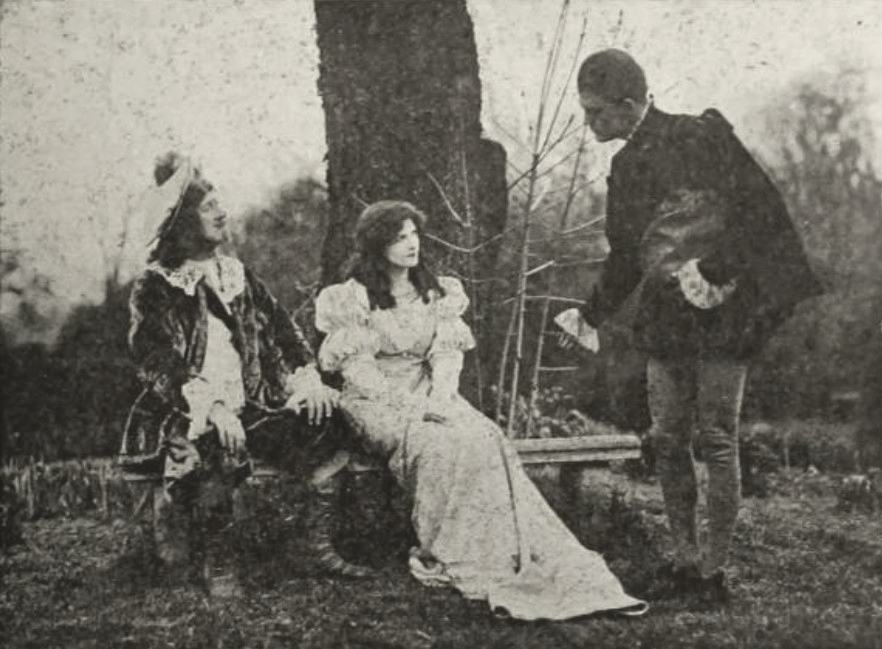
Visualizing the convergence of Floyd France's style and the core cult narrative.
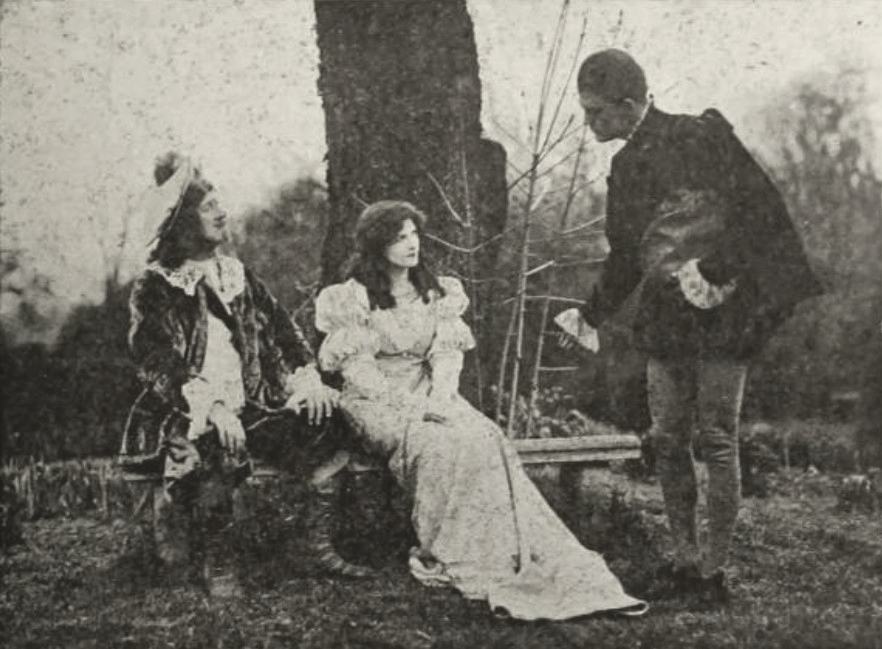
Once in a country called Happyland there lived a good and wise King. To his beautiful daughter, Princess Loree, the King presents a priceless pearl necklace. A mysterious stranger arrives. He meets the Princess and they fall in love at first sight. He reveals to her that he comes from a country where the people are forever in gloom and he is here to learn the secret of happiness. He meets with a number of adventures which teach him some of the principles of happiness, but not its Master Secret. One day a goblin takes the necklace and brings it to his chief, who hides it in the wall of the Goblin's Cave. The Princess and the people are grief-stricken and the stranger decides to find it. He enters the Enchanted Woods and after a series of adventures reaches a secret passage which leads him into the Cave of the Goblins. The chief of the goblins promises to return the necklace if the stranger will brave any perils that may confront him. The latter consents and passes undaunted through them all. He obtains the necklace and returns it to the Princess, whose happiness is restored. The King is willing to give him half his kingdom as a reward, but all the stranger asks is to be allowed to speak to the Princess one hour every day for seven days. At the end of the seventh day he leaves, promising to return shortly. Weeks pass. The King informs the Princess the newly-crowned King of Roseland is coming to pay homage to Happyland and that she better don her finest apparel and help him entertain the illustrious guest. The King of Roseland arrives and the Princess is happy, for in him she recognizes the Stranger. She inquires if he has discovered the Master Secret. He answers in the affirmative, saving true happiness consists in deeds that bring happiness to others, and in the realization of one's ideals, love crowning all.
Decades after its release, The Princess' Necklace remains a vital piece of the cinematic puzzle. Its influence can be seen in countless modern works, solidifying Floyd France's status as a master of the craft in United States and beyond.