
DbcultAccessing Vault...
Director's Spotlight
Senior Film Conservator
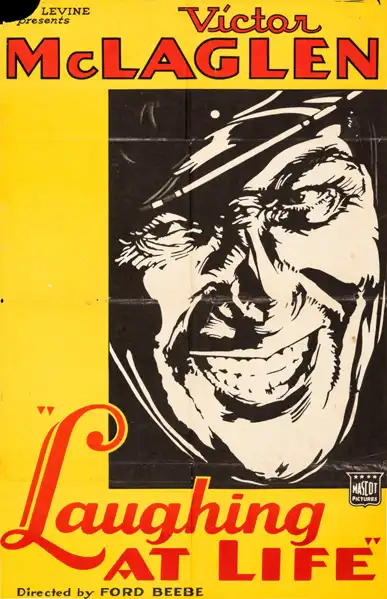
Director's Spotlight: United States
A Deep Dive into the 1933 Vision of Ford Beebe
Deciphering the layers of Laughing at Life (1933) reveals the complex thematic architecture established by Ford Beebe. Utilizing a 1933-specific aesthetic that remains timeless, it stands as the definitive 1933 statement on Adventure identity.
In Laughing at Life, Ford Beebe pushes the boundaries of conventional narrative. The film's unique approach to its subject matter has sparked endless debates and interpretations among cinephiles and critics alike.
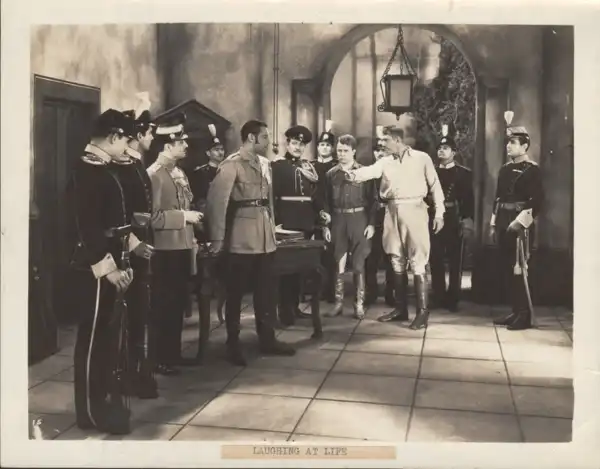
The visual language of Laughing at Life is defined by its use of shadows and framing, a hallmark of Ford Beebe's style. By utilizing a 1933-era palette, the film creates an immersive experience that perfectly complements its Adventure themes.
| Cinematography | Handheld |
| Soundtrack | Orchestral |
| Editing | Invisible |
| Art Direction | Kitsch |
Visualizing the convergence of Ford Beebe's style and the core Adventure narrative.
Easter, a soldier of fortune and gunrunner, leaves his family behind escaping from the authorities and an American detective named Mason. His globe-hopping escape leads him finally to South America, where he is hired to organize a band of revolutionaries, unaware that they plan to eliminate him after his job is done. Here, he also encounters his son, on track to waste his own life in pursuits similar to Easter's.
Decades after its release, Laughing at Life remains a vital piece of the cinematic puzzle. Its influence can be seen in countless modern works, solidifying Ford Beebe's status as a master of the craft in United States and beyond.