
DbcultAccessing Vault...
Director's Spotlight
Senior Film Conservator
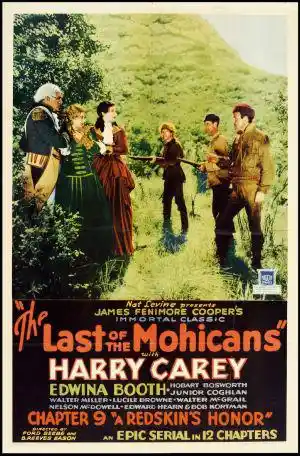
Director's Spotlight: United States
A Deep Dive into the 1932 Vision of Ford Beebe
In the grand tapestry of War cinema, The Last of the Mohicans serves as a bridge between the philosophical inquiries that Ford Beebe embeds within the narrative. Melding the raw energy of United States with a global War appeal, it invites us to question our own perceptions of War narratives.
In The Last of the Mohicans, Ford Beebe pushes the boundaries of conventional narrative. The film's unique approach to its subject matter has sparked endless debates and interpretations among cinephiles and critics alike.
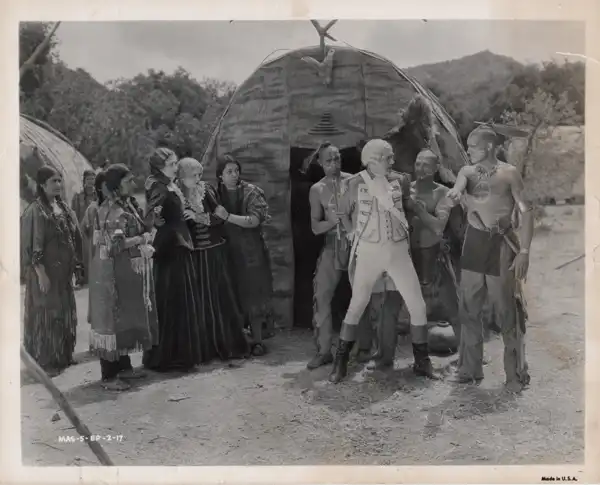
While deeply rooted in United States, The Last of the Mohicans has achieved a global reach, influencing directors from various backgrounds. Its ability to translate War tropes into a universal cinematic language is why it remains a cult staple decades after its 1932 release.
| Cinematography | Deep Focus |
| Soundtrack | Diegetic |
| Editing | Rhythmic |
| Art Direction | Naturalist |
Visualizing the convergence of Ford Beebe's style and the core War narrative.
Natty Bumppo, known as Hawk-Eye, is a frontiersman in the American wilderness. Together with his Indian friends Chingachgook and Uncas, he fights battles against nefarious white soldiers as well as the vicious Indian Magua and his cohorts.
Decades after its release, The Last of the Mohicans remains a vital piece of the cinematic puzzle. Its influence can be seen in countless modern works, solidifying Ford Beebe's status as a master of the craft in United States and beyond.