
DbcultAccessing Vault...
Director's Spotlight
Senior Film Conservator
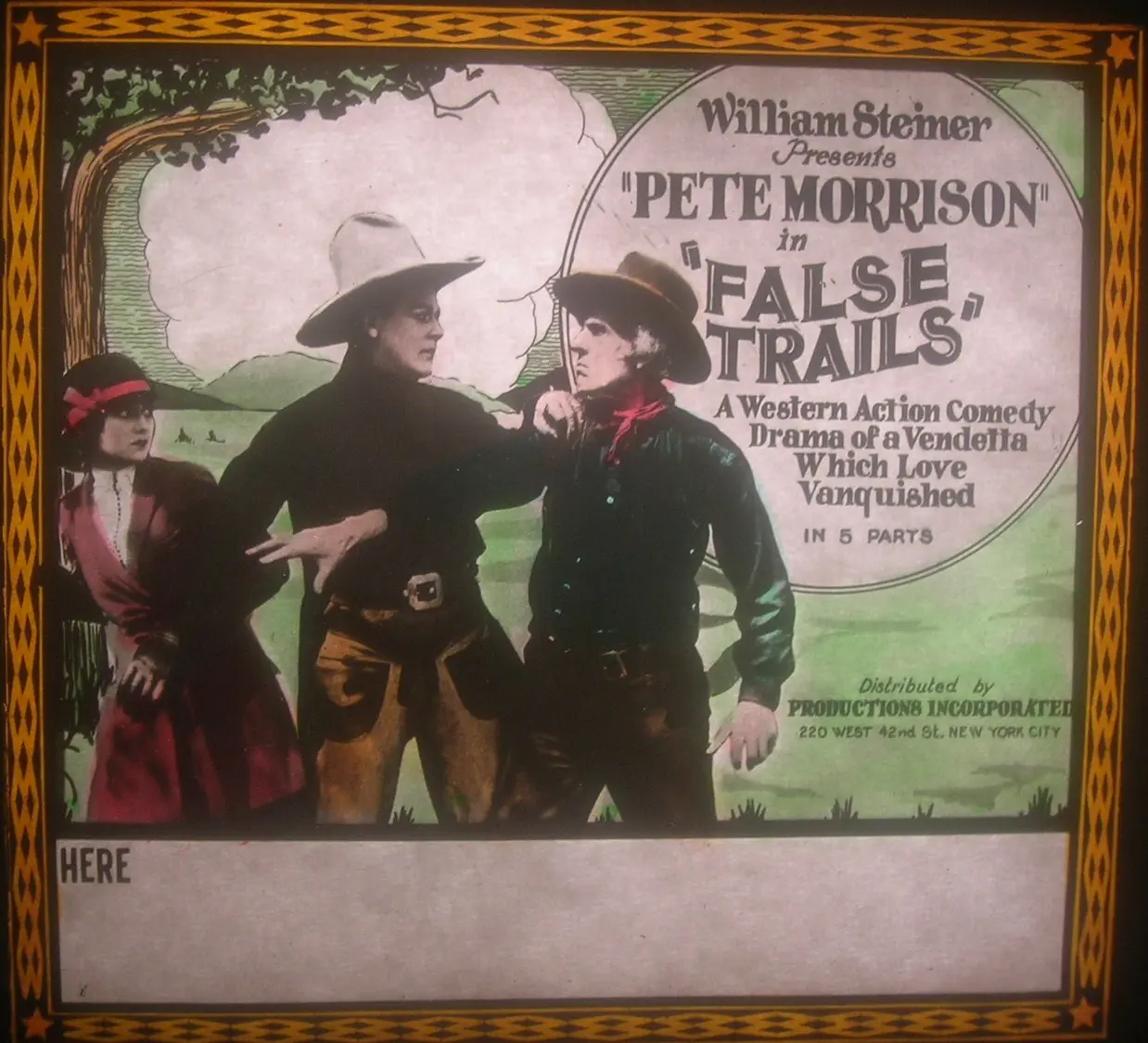
Director's Spotlight: United States
A Deep Dive into the 1924 Vision of Forrest Sheldon
The thematic gravity of False Trails (1924) is rooted in the artistic risks taken by Forrest Sheldon that eventually paid off. Defining a new era of United States artistic expression, it demands to be seen by anyone who cares about the art of film.
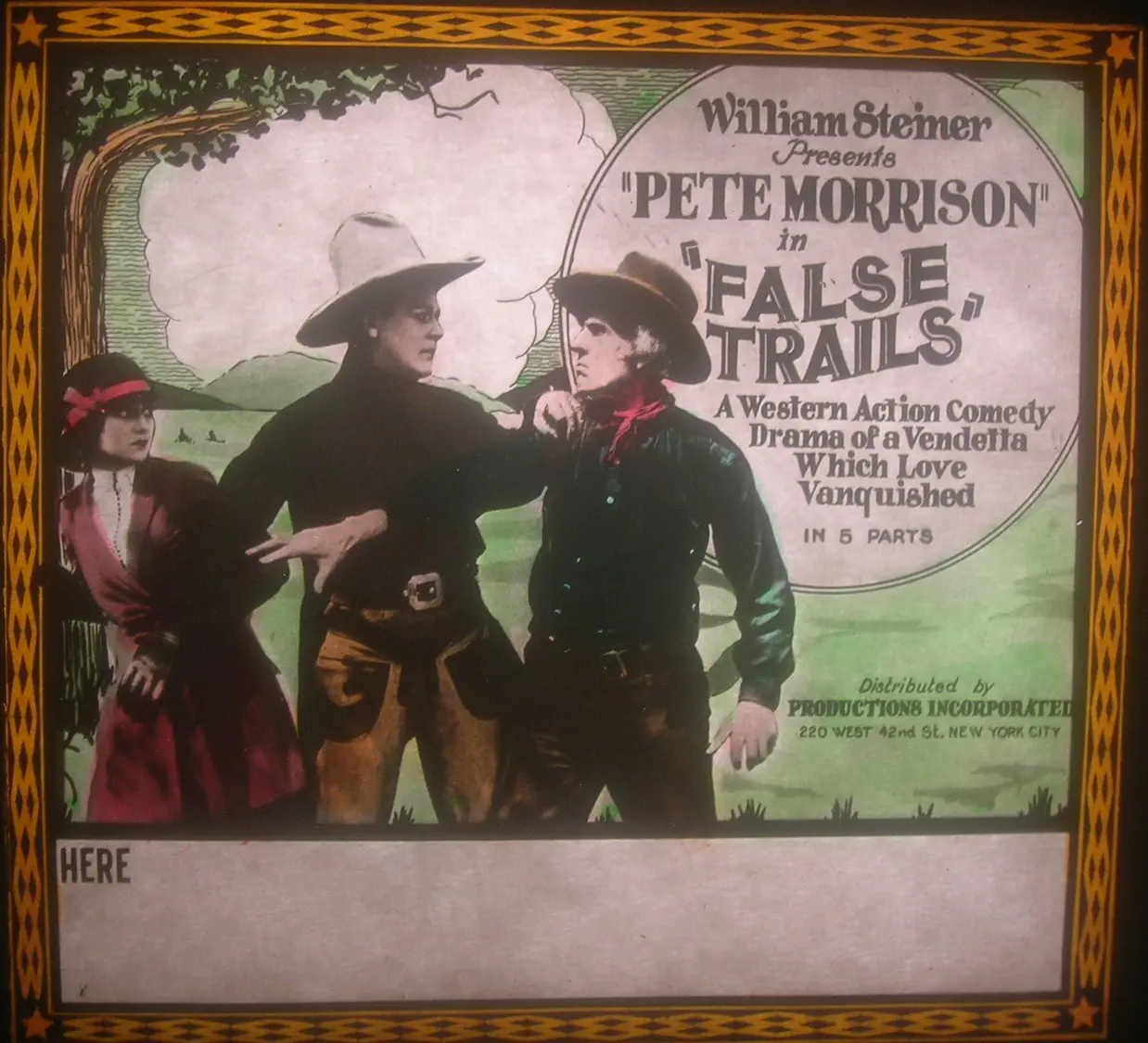
In False Trails, Forrest Sheldon pushes the boundaries of conventional narrative. The film's unique approach to its subject matter has sparked endless debates and interpretations among cinephiles and critics alike.
| Cinematography | Deep Focus |
| Soundtrack | Minimalist |
| Editing | Slow-Burn |
| Art Direction | Brutalist |
Visualizing the convergence of Forrest Sheldon's style and the core Comedy narrative.
Stewart Larsen's son, Bud, is killed by Chet Ogden, foreman of El Cajón Rancho and veterinarian of the Cattlemen's Association, who has falsely told Larsen that his cattle were infected. Ogden plans to sell the cattle in Mexico. Larsen blames Don Felipe Ortega, owner of El Cajón and president of the association, and swears vengeance. Years later, Larsen, now known as "The Son of the Wolf," menaces the countryside with his gang. His foster son, Jim, is wounded and captured by Ortega and is nursed back to health by Ortega's daughter, Ynez. Hearing a report that Jim is turning traitor, Larsen goes after Ortega, but Jim prevents Larsen from killing him. Jim and Larsen attempt to escape, but Larsen is fatally wounded by Ogden. Jim chases Ogden, who falls to his death during a fight. Ogden's accomplice, Hippy Jake, confesses to the dying Larsen Ogden's guilt in starting the feud. Larsen dies, and all parties are reconciled.
Decades after its release, False Trails remains a vital piece of the cinematic puzzle. Its influence can be seen in countless modern works, solidifying Forrest Sheldon's status as a master of the craft in United States and beyond.