
DbcultAccessing Vault...
Director's Spotlight
Senior Film Conservator
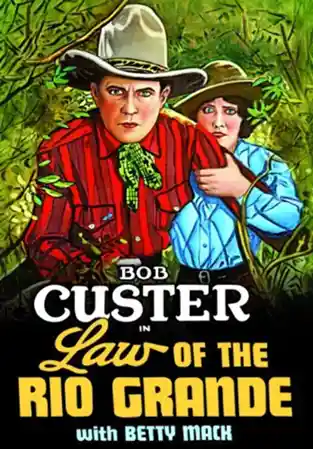
Director's Spotlight: United States
A Deep Dive into the 1931 Vision of Forrest Sheldon
The thematic gravity of Law of the Rio Grande (1931) is rooted in the historical context that Forrest Sheldon weaves into the Drama fabric. Synthesizing the best elements of United States and international cinema, it highlights the importance of independent voices in United States.
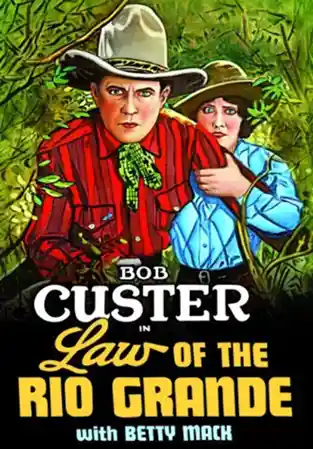
In Law of the Rio Grande, Forrest Sheldon pushes the boundaries of conventional narrative. The film's unique approach to its subject matter has sparked endless debates and interpretations among cinephiles and critics alike.
| Cinematography | Noir-Inspired |
| Soundtrack | Orchestral |
| Editing | Invisible |
| Art Direction | Kitsch |
Visualizing the convergence of Forrest Sheldon's style and the core Drama narrative.
Escaping from the Sheriff, Jim and Cookie decide to go straight. But when they meet their old cohort, The Blanco Kid, he tells their new boss they are outlaws and they are in trouble again.
Decades after its release, Law of the Rio Grande remains a vital piece of the cinematic puzzle. Its influence can be seen in countless modern works, solidifying Forrest Sheldon's status as a master of the craft in United States and beyond.