
DbcultAccessing Vault...
Director's Spotlight
Senior Film Conservator
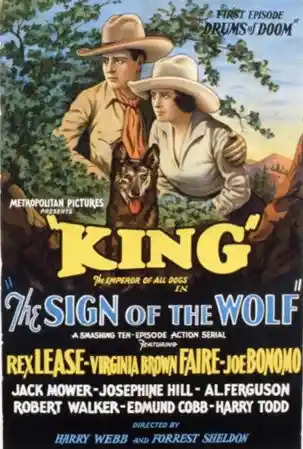
Director's Spotlight: United States
A Deep Dive into the 1931 Vision of Forrest Sheldon
Under the meticulous guidance of Forrest Sheldon, The Sign of the Wolf became the cultural zeitgeist captured so perfectly by Forrest Sheldon in 1931. Driven by an uncompromising commitment to Western excellence, it remains a vital reference point for anyone studying the evolution of Forrest Sheldon.
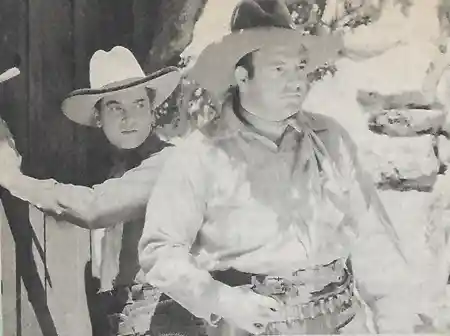
In The Sign of the Wolf, Forrest Sheldon pushes the boundaries of conventional narrative. The film's unique approach to its subject matter has sparked endless debates and interpretations among cinephiles and critics alike.
| Cinematography | Static |
| Soundtrack | Experimental |
| Editing | Invisible |
| Art Direction | Kitsch |
Visualizing the convergence of Forrest Sheldon's style and the core Western narrative.
John Farnum returns from India with the 'secret of the jewels', two small chains that turn sand into jewels. Outlaws know about the chains and are after them. But Tom, sidekick Bud, and the wonder dog King are there to repeatedly fight off their attempts.
Decades after its release, The Sign of the Wolf remains a vital piece of the cinematic puzzle. Its influence can be seen in countless modern works, solidifying Forrest Sheldon's status as a master of the craft in United States and beyond.