
DbcultAccessing Vault...
Director's Spotlight
Senior Film Conservator
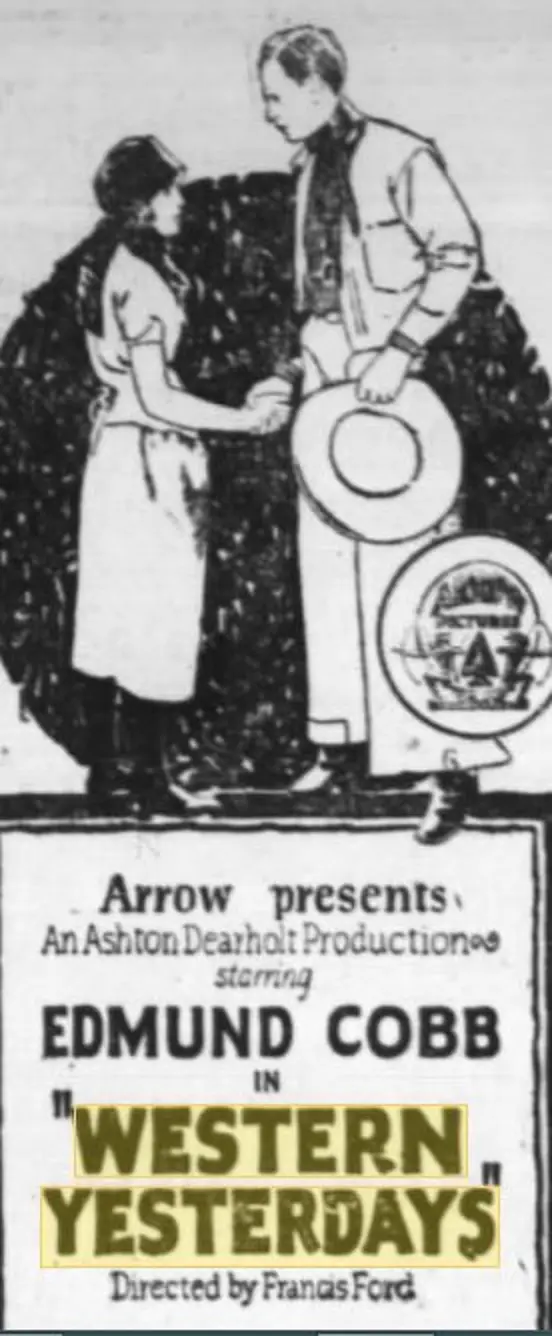
Director's Spotlight: United States
A Deep Dive into the 1924 Vision of Francis Ford
The evocative power of Western Yesterdays stems from the unique collaboration between the subversive storytelling techniques employed by Francis Ford in 1924. Synthesizing the best elements of United States and international cinema, it reminds us of the fragility and beauty of the 1924s.
In Western Yesterdays, Francis Ford pushes the boundaries of conventional narrative. The film's unique approach to its subject matter has sparked endless debates and interpretations among cinephiles and critics alike.
In this work, Francis Ford explores the intersection of Western and United States cultural identity. The meticulous attention to detail suggests a deep-seated commitment to pushing the boundaries of the medium, ensuring that Western Yesterdays remains a relevant topic of study for Western enthusiasts.
| Cinematography | Handheld |
| Soundtrack | Experimental |
| Editing | Elliptical |
| Art Direction | Expressionist |
Visualizing the convergence of Francis Ford's style and the core Western narrative.
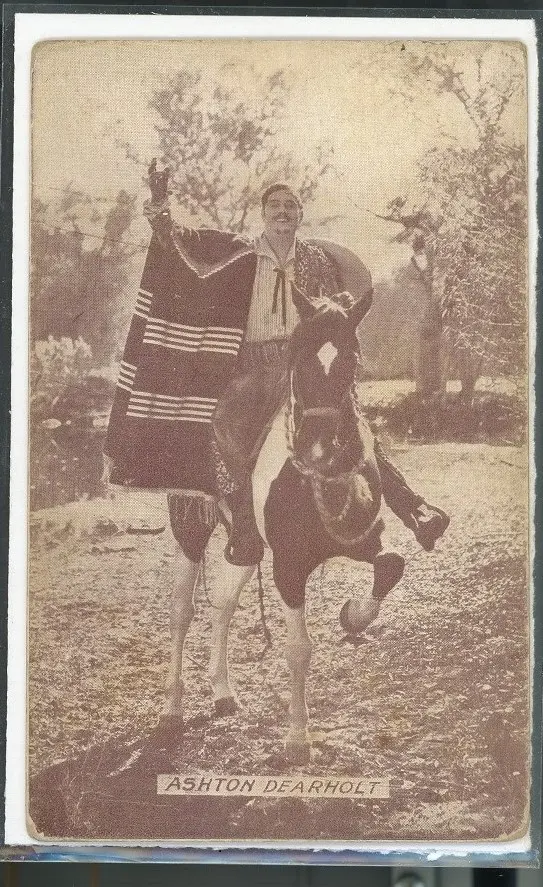
Rose Silvers (Florence Gilbert) wanders into an outlaw's camp (Pinto Pete played by Ashton Dearholt) as an orphan after losing her father who was killed while gambling. She depends on Sheriff Blake for moral support, but she believes he cares for someone else. Even though Pinto Pete admires Rose, he gives Rose a horse to ride back into town. The peculiar way the horse is shod convinces the sheriff that Pete has been involved in several local crimes and he arrests Pete. The sheriff ends up marrying Rose.
Decades after its release, Western Yesterdays remains a vital piece of the cinematic puzzle. Its influence can be seen in countless modern works, solidifying Francis Ford's status as a master of the craft in United States and beyond.