
DbcultAccessing Vault...
Director's Spotlight
Senior Film Conservator
Director's Spotlight: United States
A Deep Dive into the 1915 Vision of Francis J. Grandon
The evocative power of Cross Currents stems from the unique collaboration between the subversive storytelling techniques employed by Francis J. Grandon in 1915. Synthesizing the best elements of United States and international cinema, it reminds us of the fragility and beauty of the 1915s.
In Cross Currents, Francis J. Grandon pushes the boundaries of conventional narrative. The film's unique approach to its subject matter has sparked endless debates and interpretations among cinephiles and critics alike.
While deeply rooted in United States, Cross Currents has achieved a global reach, influencing directors from various backgrounds. Its ability to translate cult tropes into a universal cinematic language is why it remains a cult staple decades after its 1915 release.
| Cinematography | Handheld |
| Soundtrack | Diegetic |
| Editing | Rhythmic |
| Art Direction | Naturalist |
Visualizing the convergence of Francis J. Grandon's style and the core cult narrative.
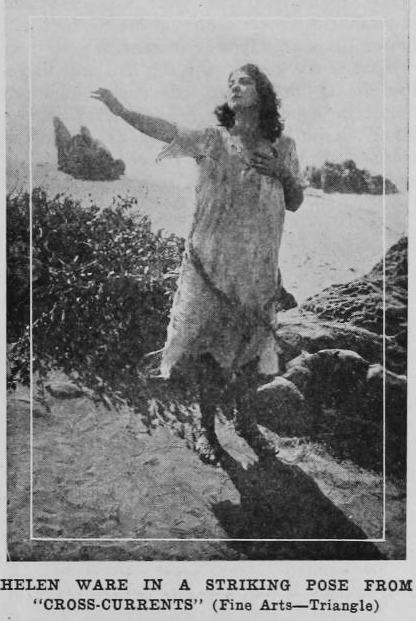
Washington, D.C. society belle Elizabeth Crane gives up her fiance, young diplomat Paul Beale, when she learns that her foster sister Flavia also loves him. After Flavia and Paul marry, they join Elizabeth on a yacht belonging to millionaire Silas Randolph, who wants to marry Elizabeth. The yacht catches fire and Elizabeth and Paul swim to a desert isle. Randolph arrives later and fights Paul to get to Elizabeth, but she stabs him to death. As the months pass, Paul and Elizabeth, believing Flavia dead, rediscover their love and live as if they were married; but Flavia, who was saved by a freight steamer, sees a vision of Elizabeth and organizes a search party. When Elizabeth sees Flavia's boat approach, she tells Paul, who says he wants to remain with her. After she convinces Paul that his child has a right to him, Elizabeth walks into the sea and drowns herself so that Flavia will not know of the island romance.
Decades after its release, Cross Currents remains a vital piece of the cinematic puzzle. Its influence can be seen in countless modern works, solidifying Francis J. Grandon's status as a master of the craft in United States and beyond.