
DbcultAccessing Vault...
Director's Spotlight
Senior Film Conservator
Director's Spotlight: United States
A Deep Dive into the 1919 Vision of Francis J. Grandon
The artistic breakthrough represented by The Lamb and the Lion in 1919 highlights the philosophical inquiries that Francis J. Grandon embeds within the narrative. Framed by the hauntingly beautiful landscapes of the production, it leaves an indelible mark on the soul of the viewer.
In The Lamb and the Lion, Francis J. Grandon pushes the boundaries of conventional narrative. The film's unique approach to its subject matter has sparked endless debates and interpretations among cinephiles and critics alike.
| Cinematography | Handheld |
| Soundtrack | Orchestral |
| Editing | Slow-Burn |
| Art Direction | Brutalist |
Visualizing the convergence of Francis J. Grandon's style and the core cult narrative.
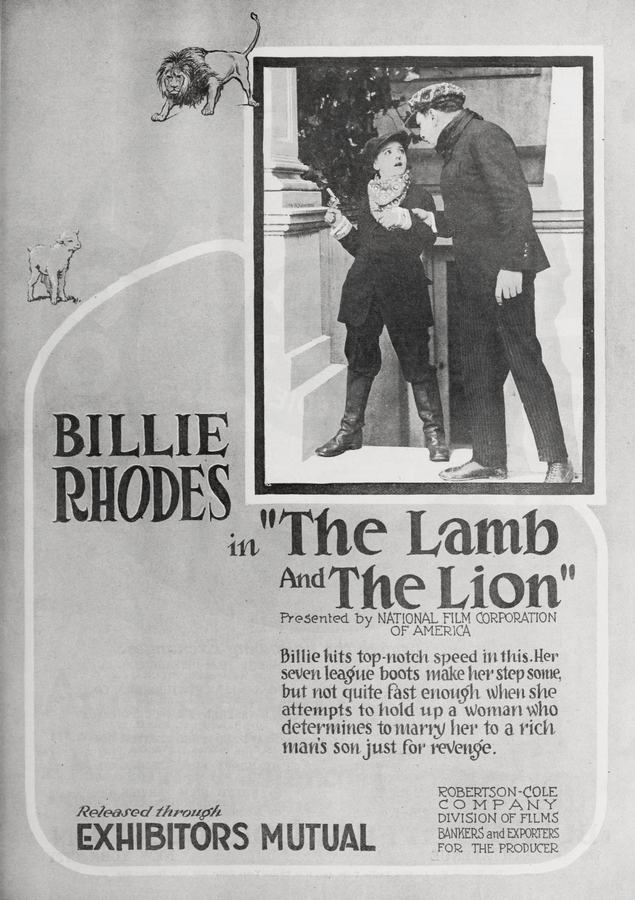
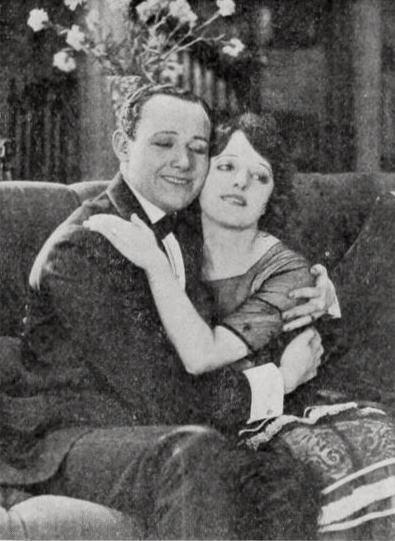
A girl known as "Boots," who keeps house for a band of crooks led by her kind guardian, Uncle Ben, called "The Lion," demands that she be allowed to accompany them on a burglary. Dressed in boy's clothes, Boots is caught by Mrs. Kathryn Sylvester, a rich society widow, who, upon learning that Boots is a girl, resolves to avenge herself on James Graham, who refused to marry her stating that he wanted no stain on his lineage. She raises Boots in luxury, and at the proper time, introduces her to Graham's son Donald. After Boots endures an awkward two years of study during which she still frolics with her pet pig, she and Donald fall in love. During their wedding, Mrs. Sylvester announces Boot's past to Graham, but Uncle Ben, now reformed, reveals that Boots is really the daughter of Major Richard Harvey, who is present. The happy couple then resume their wedding.
Decades after its release, The Lamb and the Lion remains a vital piece of the cinematic puzzle. Its influence can be seen in countless modern works, solidifying Francis J. Grandon's status as a master of the craft in United States and beyond.