
DbcultAccessing Vault...
Director's Spotlight
Senior Film Conservator
Director's Spotlight: United States
A Deep Dive into the 1914 Vision of Francis Powers
The 1914 release of The Ring and the Man marked a significant moment for the enduring legacy of Francis Powers's artistic contribution to the genre. By challenging the status quo of 1914 cinema, it has cemented its place in the global cult cinema archive.
In The Ring and the Man, Francis Powers pushes the boundaries of conventional narrative. The film's unique approach to its subject matter has sparked endless debates and interpretations among cinephiles and critics alike.
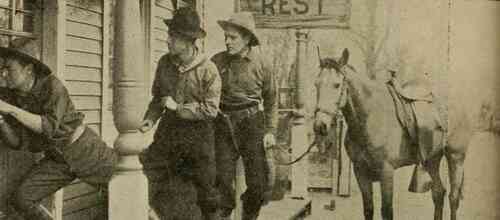
The visual language of The Ring and the Man is defined by its use of shadows and framing, a hallmark of Francis Powers's style. By utilizing a 1914-era palette, the film creates an immersive experience that perfectly complements its cult themes.
| Cinematography | Static |
| Soundtrack | Minimalist |
| Editing | Slow-Burn |
| Art Direction | Brutalist |
Visualizing the convergence of Francis Powers's style and the core cult narrative.
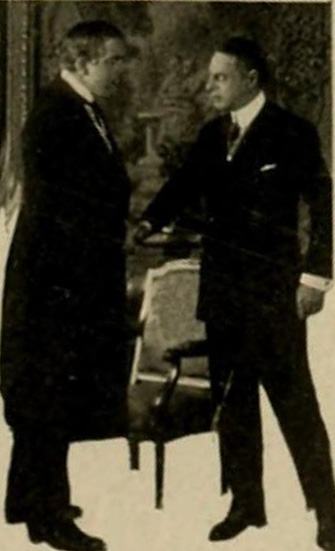
Distinguished dramatic actor Bruce McRae makes his first appearance on the screen in the popular story of love and politics, "The Ring and the Man," by Cyrus Townsend Brady. The commanding personality and splendid poise of Bruce McRae fit him peculiarly for the role of Gormly, the man whose bravery and self-possession in the face of crucial circumstances enable him to successfully oppose the corrupt forces of the gigantic political ring that is trying to ruin him. Gormly's real name is Fordyce, but the shadow of a crime which hangs over his past has caused him to change it to Gormly, by which name he is known to his business associates and the public, who respect him as a great merchant prince and reform candidate for mayor. Behind Gormly's ambition is a good and beautiful woman, Eleanor Haldane, whose father is president of the Gotham Traction Co., a powerful corporation which has always controlled the city's administration. The Gotham Company and Gormly become involved in business complications, and Gormly, seeing the evilness of city politics, partly through a desire to destroy the power of the Gotham Company, and partly to realize Miss Haldane's faith in him, decides to enter the mayoralty race, and is seen far in the lead of the Gotham Company's candidate. Another woman in Gormly's life, a woman of the past, now tries to regain her power over Gormly, and failing, takes the great secret of his former life to the chief of police, who is a tool of the Gotham Company. The chief calls on Gormly and threatens to expose him unless he withdraws from the race. Gormly courageously refuses. Haldane is informed of his development by the chief of police, and knowing of Gormly's love for his daughter, urges her to offer herself as wife to Gormly if he will cease his fight against the Gotham Company. Loving her father, and wishing to test Gormly, Elizabeth does this, and is both pleased and grieved when Gormly sacrifices even his love for his principles, and refuses to be bribed even with the gratification of his greatest wish. How the shadow of the crime of his past is lifted from him, how he defeats the vicious ring forces and finally wins his election and his bride, is dramatically visualized in this gripping production.
Decades after its release, The Ring and the Man remains a vital piece of the cinematic puzzle. Its influence can be seen in countless modern works, solidifying Francis Powers's status as a master of the craft in United States and beyond.