
DbcultAccessing Vault...
Director's Spotlight
Senior Film Conservator
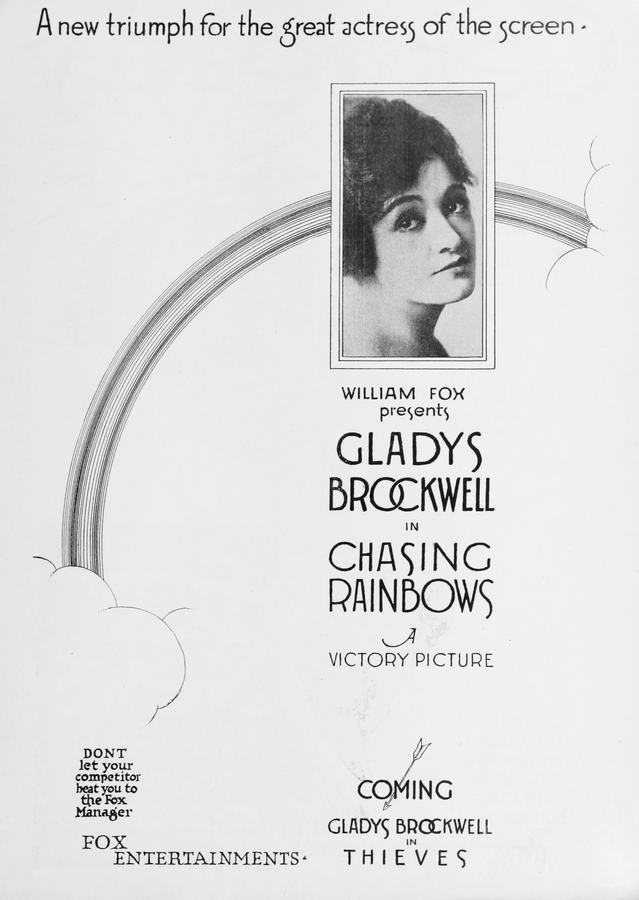
Director's Spotlight: United States
A Deep Dive into the 1919 Vision of Frank Beal
The enduring fascination with Chasing Rainbows is a testament to the artistic risks taken by Frank Beal that eventually paid off. Challenging the viewer to find meaning in the cult shadows, it reminds us of the fragility and beauty of the 1919s.
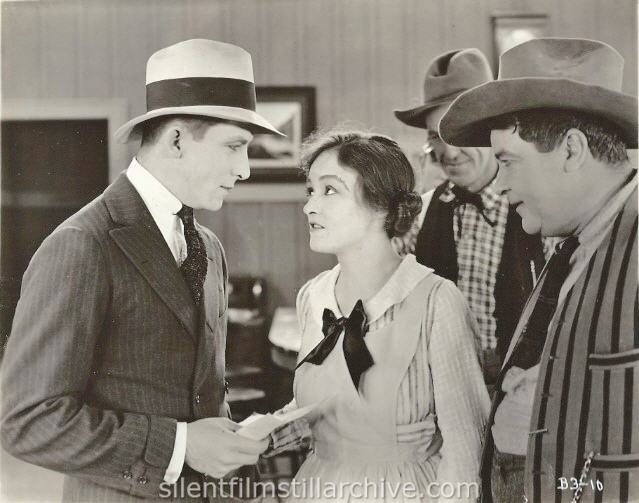
In Chasing Rainbows, Frank Beal pushes the boundaries of conventional narrative. The film's unique approach to its subject matter has sparked endless debates and interpretations among cinephiles and critics alike.
| Cinematography | Noir-Inspired |
| Soundtrack | Diegetic |
| Editing | Elliptical |
| Art Direction | Expressionist |
Visualizing the convergence of Frank Beal's style and the core cult narrative.
When Sadie, a waitress in a Kansas City railroad station, discovers that her lover Jim Lacy is married and has a child, she transfers to the small desert town of Bagdad, determined to hate all men, but the open spaces and friendliness of the people work to soften her attitude. She falls in love with Billy Thompson, the restaurant's manager, after they rescue an Indian girl from her furious lover. After Sadie saves Billy from the vengeful lover, Billy starts prospecting for gold for money to marry her. Lacy finds Sadie and pleads for help to allow him to go East to escape the law, which is after him because of a shooting. On the condition that he will never return, Sadie helps him win money at a crooked roulette game. Before he leaves, Lacy reveals, to Sadie's horror, that the man he shot was Billy, but she finds Billy unharmed and the lovers marry.
Decades after its release, Chasing Rainbows remains a vital piece of the cinematic puzzle. Its influence can be seen in countless modern works, solidifying Frank Beal's status as a master of the craft in United States and beyond.