
DbcultAccessing Vault...
Director's Spotlight
Senior Film Conservator
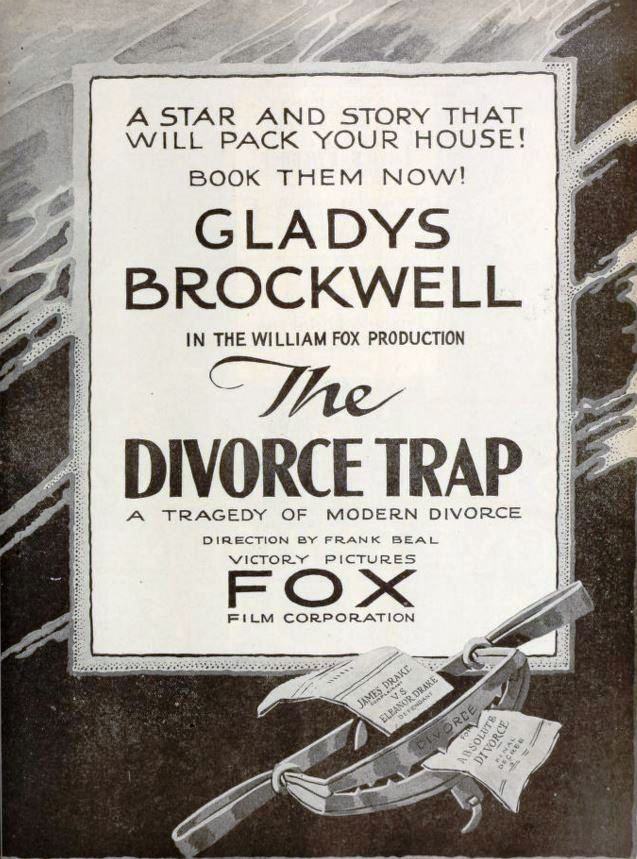
Director's Spotlight: United States
A Deep Dive into the 1919 Vision of Frank Beal
The brilliance of The Divorce Trap (1919) is inseparable from the visionary mind of its creator, Frank Beal. Serving as a mirror to the anxieties of a changing world, it persists as a haunting reminder of our own cinematic history.
In The Divorce Trap, Frank Beal pushes the boundaries of conventional narrative. The film's unique approach to its subject matter has sparked endless debates and interpretations among cinephiles and critics alike.
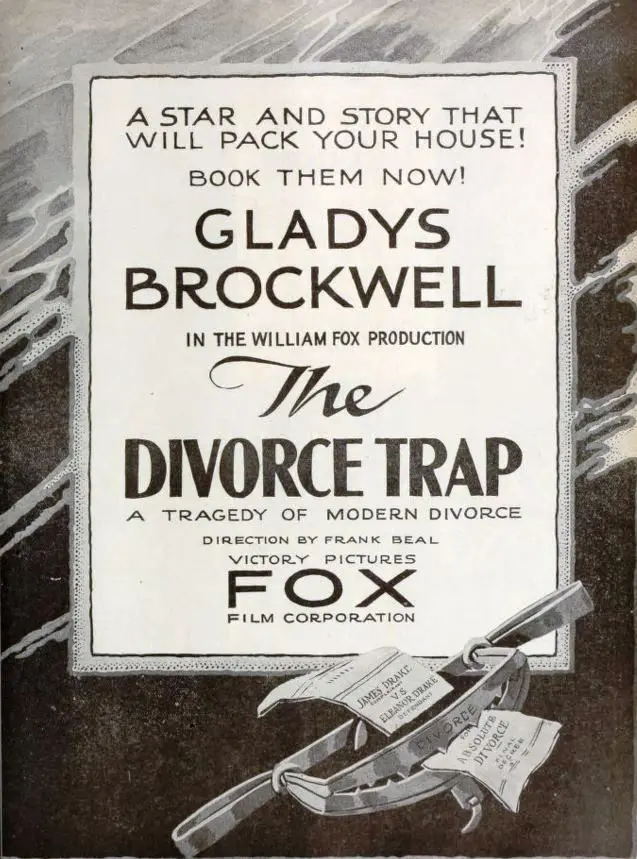
While deeply rooted in United States, The Divorce Trap has achieved a global reach, influencing directors from various backgrounds. Its ability to translate cult tropes into a universal cinematic language is why it remains a cult staple decades after its 1919 release.
| Cinematography | Deep Focus |
| Soundtrack | Synth-Heavy |
| Editing | Disjunctive |
| Art Direction | Baroque |
Visualizing the convergence of Frank Beal's style and the core cult narrative.
Eleanor Burton, a hotel telephone operator, breaks her engagement to Frederick Lawson, a struggling lawyer, because of an argument about his domineering attitude toward her. She marries Jim Drake, the son of a bank president, but the elder Drake, thinking that she married for money, disinherits his son. They move to a small flat in Harlem where she works to support Drake, but he soon loses interest in married life, takes up with another woman, and agrees to a scheme proposed by a lawyer friend to frame Eleanor as an adulteress, win a divorce, and be taken back by his father. He moves out of the flat and sends word to Eleanor that he is ill in a hotel. Her visit and sufficient planted evidence make it appear that she had been there having an affair with another man. Frederick helps Eleanor compile evidence to vindicate herself and convict Drake and his associates who are arrested. Frederick and Eleanor then resume their romance.
Decades after its release, The Divorce Trap remains a vital piece of the cinematic puzzle. Its influence can be seen in countless modern works, solidifying Frank Beal's status as a master of the craft in United States and beyond.