
DbcultAccessing Vault...
Director's Spotlight
Senior Film Conservator
Director's Spotlight: United States
A Deep Dive into the 1919 Vision of Frank Beal
Exploring the cult underpinnings of Tin Pan Alley leads us to the uncompromising vision of Frank Beal that defines this cult masterpiece. Melding the raw energy of United States with a global cult appeal, it echoes the profound changes occurring in United States during that era.
In Tin Pan Alley, Frank Beal pushes the boundaries of conventional narrative. The film's unique approach to its subject matter has sparked endless debates and interpretations among cinephiles and critics alike.
| Cinematography | High-Contrast |
| Soundtrack | Orchestral |
| Editing | Invisible |
| Art Direction | Kitsch |
Visualizing the convergence of Frank Beal's style and the core cult narrative.
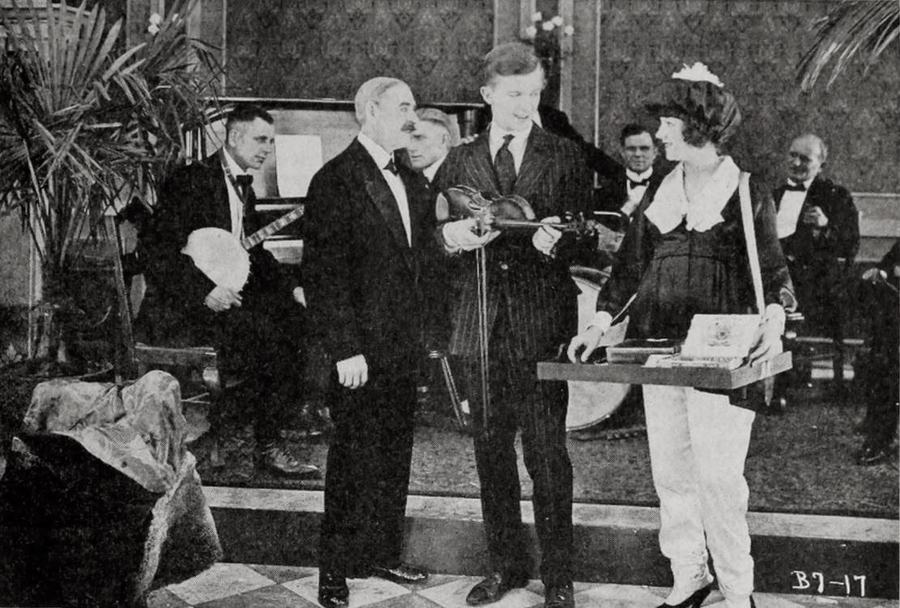
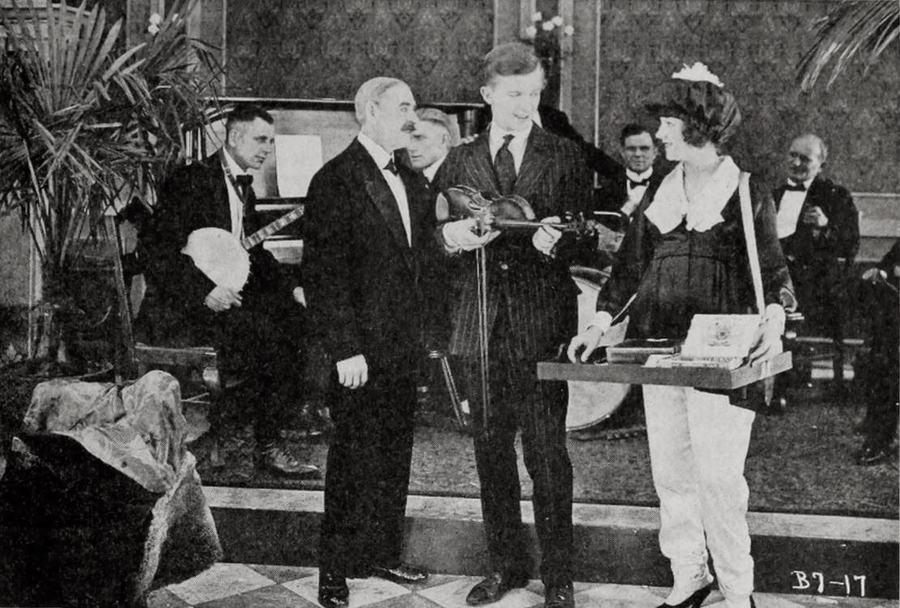
After Tommy Breen, a virtuoso violinist, loses his factory job because the employees have extended their lunch hour listening to him, June Norton, a cigarette girl who lives in the same boardinghouse as Tommy, sympathizes with him and becomes the inspiration for his song, "When You Smile with Your Eyes in Mine." Song publisher Simon Berg signs Tommy, and after the song becomes a great success, Tommy forgets June as he surrounds himself with Broadway lowlife, spends extravagantly, and becomes infatuated with Mona Merwin, a musical comedy performer. When Berg tells Tommy to write a song about home, Tommy, never having had one, fails. After June asks Berg to help her save Tommy from himself, he decreases Tommy's royalty checks. Tommy's Broadway friends desert him when the checks stop coming, and Tommy becomes destitute until Berg sends him to a country cottage he has purchased in Flatbush, where Tommy finds June waiting to marry him. Now inspired, Tommy writes a hit song about home.
Decades after its release, Tin Pan Alley remains a vital piece of the cinematic puzzle. Its influence can be seen in countless modern works, solidifying Frank Beal's status as a master of the craft in United States and beyond.