
DbcultAccessing Vault...
Director's Spotlight
Senior Film Conservator
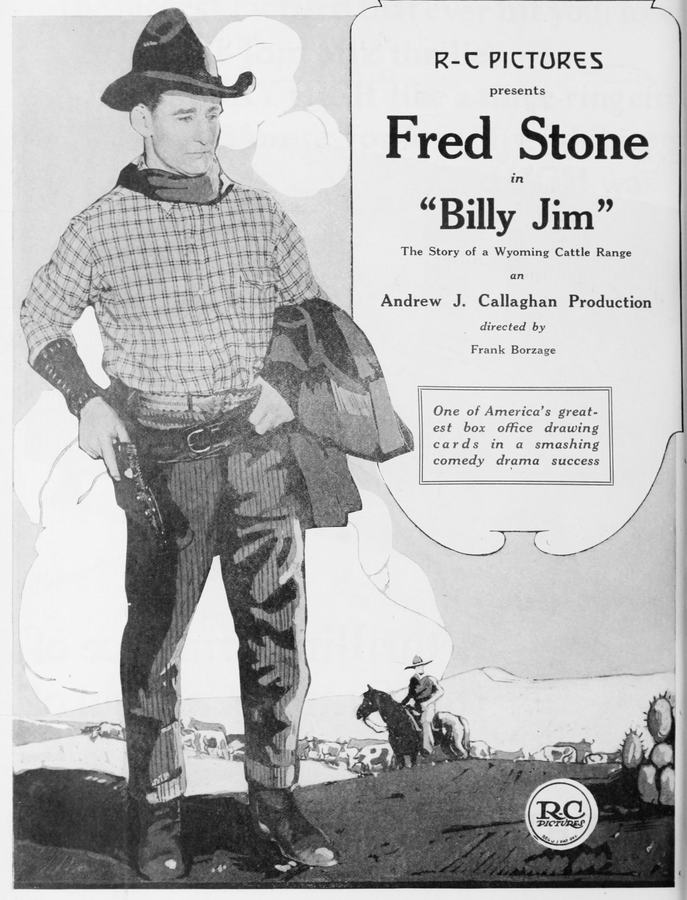
Director's Spotlight: United States
A Deep Dive into the 1922 Vision of Frank Borzage
Exploring the Western underpinnings of Billy Jim leads us to the stylistic boundaries pushed by Frank Borzage during the production. Through a lens of existential fatalism and Western tropes, it continues to spark endless debates among critics and cinephiles alike.
In Billy Jim, Frank Borzage pushes the boundaries of conventional narrative. The film's unique approach to its subject matter has sparked endless debates and interpretations among cinephiles and critics alike.

To fully appreciate Billy Jim, one must consider the cinematic climate of 1922. During this period, United States was undergoing significant artistic shifts, and Frank Borzage was at the forefront of this Western movement, often challenging established norms.
| Cinematography | Deep Focus |
| Soundtrack | Orchestral |
| Editing | Invisible |
| Art Direction | Kitsch |
Visualizing the convergence of Frank Borzage's style and the core Western narrative.
Billy Jim, a wealthy westerner posing as a happy-go-lucky cowboy, gets into a dispute with a man aboard a train. A girl berates him for his actions, and he loses his heart to her; later, while drunk, he finds her bound to a chair in a cabin and after releasing her learns that she is traveling with her father to a resort. Billy Jim holds up a card game, hires a car with the money taken, and arrives at the resort ahead of her. At her father's mining camp Billy Jim succeeds in routing claim jumpers and saving the property. When the sheriff arrives to arrest him for holding up the card game, it is revealed that he is a wealthy cattle owner. Billy Jim departs, but the girl follows to return his gun, and all ends happily.
Decades after its release, Billy Jim remains a vital piece of the cinematic puzzle. Its influence can be seen in countless modern works, solidifying Frank Borzage's status as a master of the craft in United States and beyond.