
DbcultAccessing Vault...
Director's Spotlight
Senior Film Conservator
Director's Spotlight: United States
A Deep Dive into the 1925 Vision of Frank Borzage
The Drama DNA of Daddy's Gone A-Hunting is a reflection of United States's the historical context that Frank Borzage weaves into the Drama fabric. Challenging the viewer to find meaning in the Drama shadows, it transcends regional boundaries to tell a universal story.
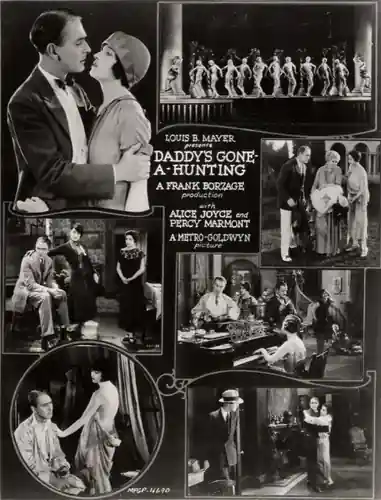
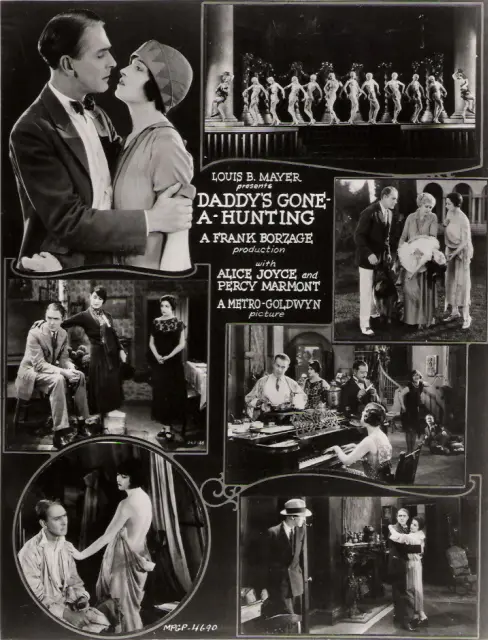
In Daddy's Gone A-Hunting, Frank Borzage pushes the boundaries of conventional narrative. The film's unique approach to its subject matter has sparked endless debates and interpretations among cinephiles and critics alike.
| Cinematography | Handheld |
| Soundtrack | Experimental |
| Editing | Elliptical |
| Art Direction | Expressionist |
Visualizing the convergence of Frank Borzage's style and the core Drama narrative.
Julian (Percy Marmont) is a poor artist who lives with wife Edith (Alice Joyce) and their newborn baby in Harlem. Struggling to make ends meet, he foregoes his artistic calling and draws for magazines. Reaching his limits, Julian convinces his wife he could reach higher grounds if he went to Paris, and he moves to Paris while Edith works at a shop on Fifth Avenue. Their lives evolve differently from then on: Edith is courted by a wealthy suitor, whom she ignores while pining for her husband; while Julian fails to meet his goals in Paris and returns to New York City three years later. Their meeting highlight how different their routes have been.
Decades after its release, Daddy's Gone A-Hunting remains a vital piece of the cinematic puzzle. Its influence can be seen in countless modern works, solidifying Frank Borzage's status as a master of the craft in United States and beyond.