
DbcultAccessing Vault...
Director's Spotlight
Senior Film Conservator
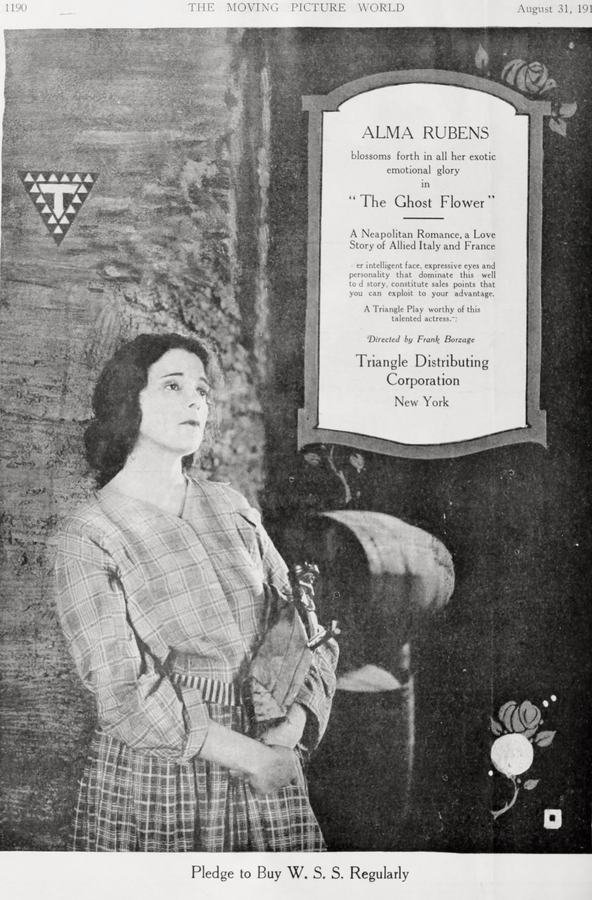
Director's Spotlight: United States
A Deep Dive into the 1918 Vision of Frank Borzage
The enduring fascination with The Ghost Flower is a testament to the artistic risks taken by Frank Borzage that eventually paid off. Challenging the viewer to find meaning in the cult shadows, it reminds us of the fragility and beauty of the 1918s.
In The Ghost Flower, Frank Borzage pushes the boundaries of conventional narrative. The film's unique approach to its subject matter has sparked endless debates and interpretations among cinephiles and critics alike.
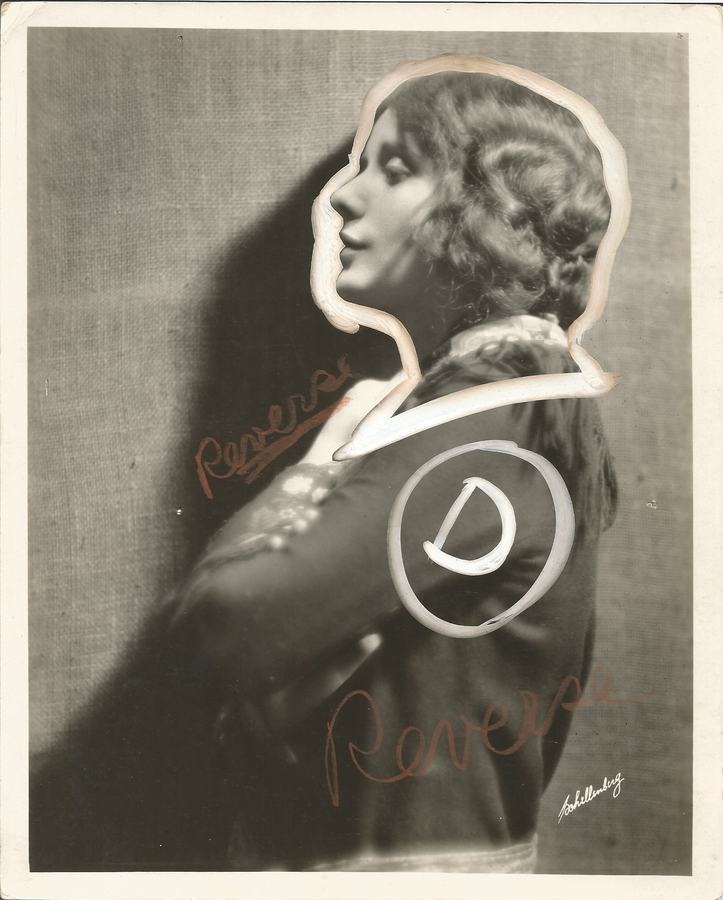
The visual language of The Ghost Flower is defined by its use of shadows and framing, a hallmark of Frank Borzage's style. By utilizing a 1918-era palette, the film creates an immersive experience that perfectly complements its cult themes.
| Cinematography | Noir-Inspired |
| Soundtrack | Diegetic |
| Editing | Elliptical |
| Art Direction | Expressionist |
Visualizing the convergence of Frank Borzage's style and the core cult narrative.
Giulia, a Neapolitan girl, much against her will, becomes the mistress of a wealthy gangster. Her "protector" is stabbed to death by Giulia's hot-headed musician lover Tony (Francis McDonald), whereupon the heroine takes refuge in the villa of French playwright La Farge. Under La Farge's careful tutelage, Giulia develops into a famous actress, capturing the heart of the Duke De Chaumont. Though LaFarge himself has fallen in love with the girl, he does not stand in her way when she accepts the Duke's proposal. But Giulia has not reckoned with Tony, who is still crazy about her and still willing to kill any man who stands in his way. Tony murders LaFarge, then sets his sights on the Duke, intending to kill the poor fellow during the wedding ceremony. Hoping to save the Duke's life, Giulia pretends to have fallen out of love with him and returns to Tony.
Decades after its release, The Ghost Flower remains a vital piece of the cinematic puzzle. Its influence can be seen in countless modern works, solidifying Frank Borzage's status as a master of the craft in United States and beyond.