
DbcultAccessing Vault...
Director's Spotlight
Senior Film Conservator
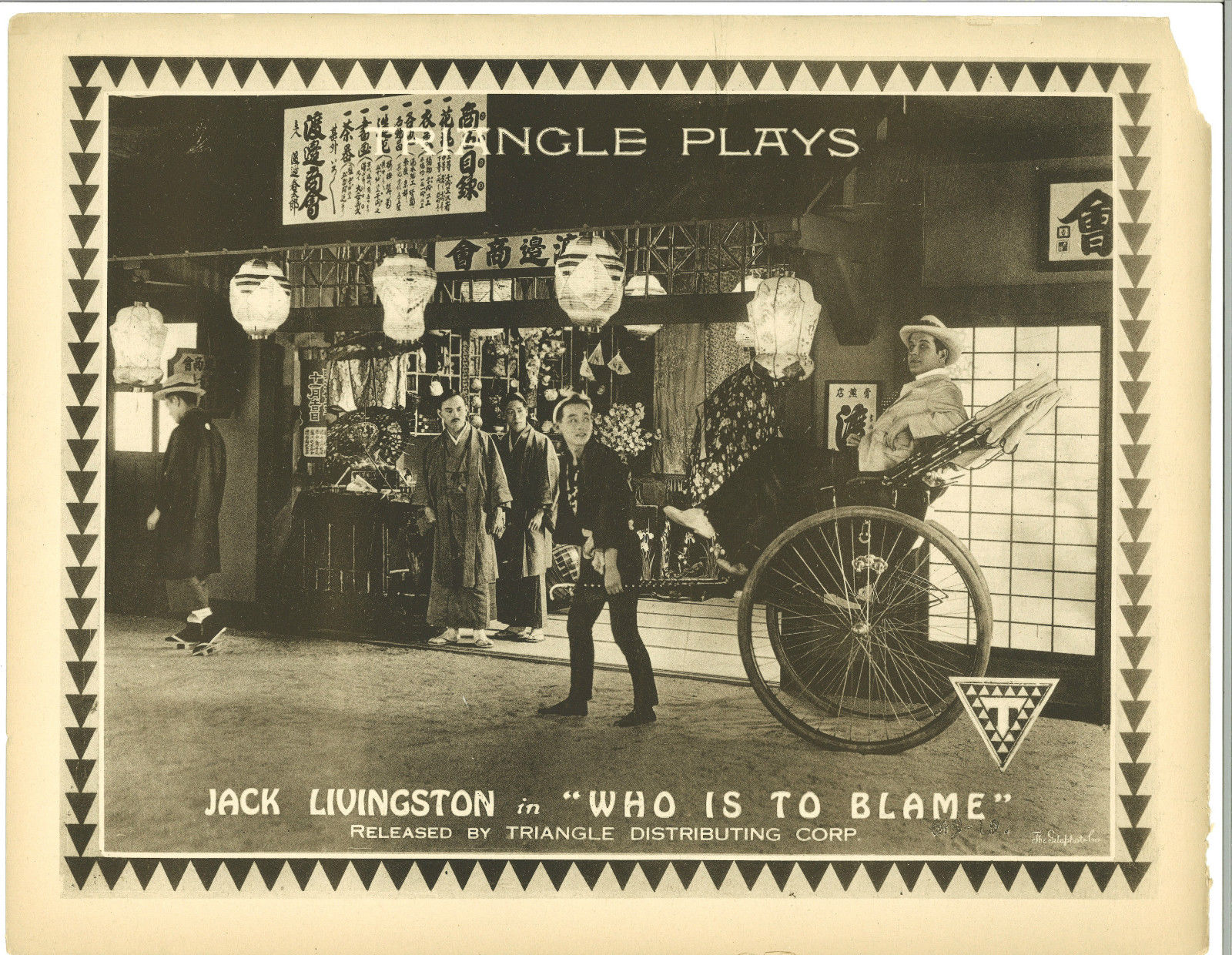
Director's Spotlight: United States
A Deep Dive into the 1918 Vision of Frank Borzage
The artistic breakthrough represented by Who Is to Blame? in 1918 highlights the uncompromising vision of Frank Borzage that defines this cult masterpiece. In the context of United States's rich cinematic history, it captures a specific kind of cinematic magic that is rarely replicated.
In Who Is to Blame?, Frank Borzage pushes the boundaries of conventional narrative. The film's unique approach to its subject matter has sparked endless debates and interpretations among cinephiles and critics alike.
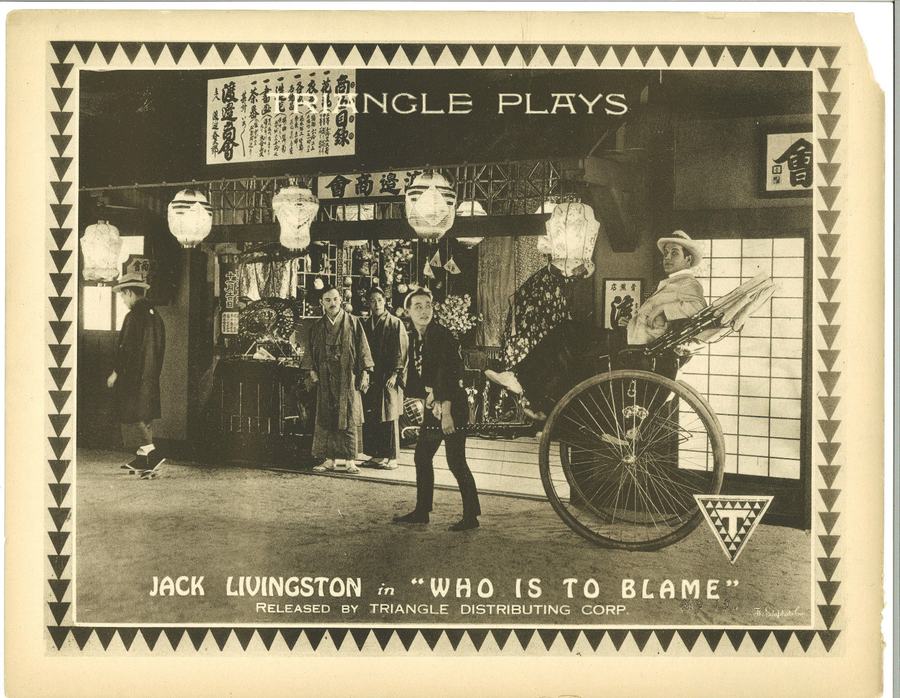
In this work, Frank Borzage explores the intersection of cult and United States cultural identity. The meticulous attention to detail suggests a deep-seated commitment to pushing the boundaries of the medium, ensuring that Who Is to Blame? remains a relevant topic of study for cult enthusiasts.
| Cinematography | Noir-Inspired |
| Soundtrack | Experimental |
| Editing | Invisible |
| Art Direction | Kitsch |
Visualizing the convergence of Frank Borzage's style and the core cult narrative.
Charmed by the bright smile of Taro San, a Japanese rickshaw boy, Grant Barton takes the young man to the United States as his valet. Grant marries Marion Craig, but when she departs for California to visit her sick mother, he becomes enamored of Tonia Marsh, a vamp. Marion discovers them together and leaves Grant, whereupon Taro resolves to help his kind employer out of his difficulties. Persuading Tonia that he is a member of the imperial family of Japan, Taro pays court to the adventuress, and when Grant finds them in each other's arms, he immediately fires Taro. Grant and Marion are reconciled, while Taro sadly returns to Japan.
Decades after its release, Who Is to Blame? remains a vital piece of the cinematic puzzle. Its influence can be seen in countless modern works, solidifying Frank Borzage's status as a master of the craft in United States and beyond.