
DbcultAccessing Vault...
Director's Spotlight
Senior Film Conservator
Director's Spotlight: United States
A Deep Dive into the 1914 Vision of Frank Hall Crane
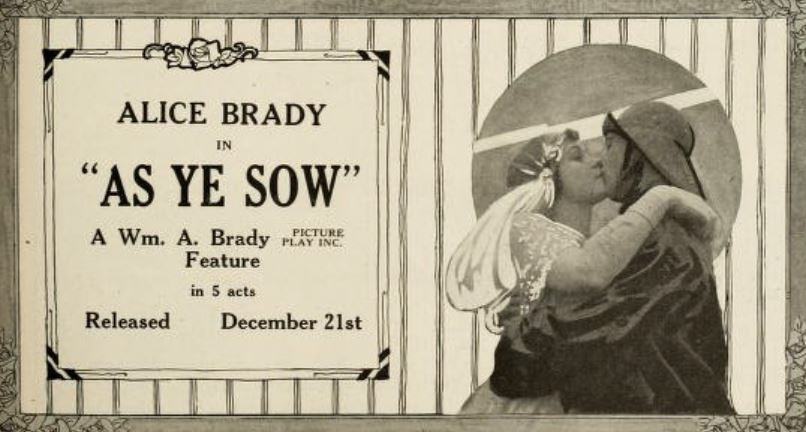
Under the meticulous guidance of Frank Hall Crane, As Ye Sow became the cultural zeitgeist captured so perfectly by Frank Hall Crane in 1914. Driven by an uncompromising commitment to cult excellence, it remains a vital reference point for anyone studying the evolution of Frank Hall Crane.
In As Ye Sow, Frank Hall Crane pushes the boundaries of conventional narrative. The film's unique approach to its subject matter has sparked endless debates and interpretations among cinephiles and critics alike.
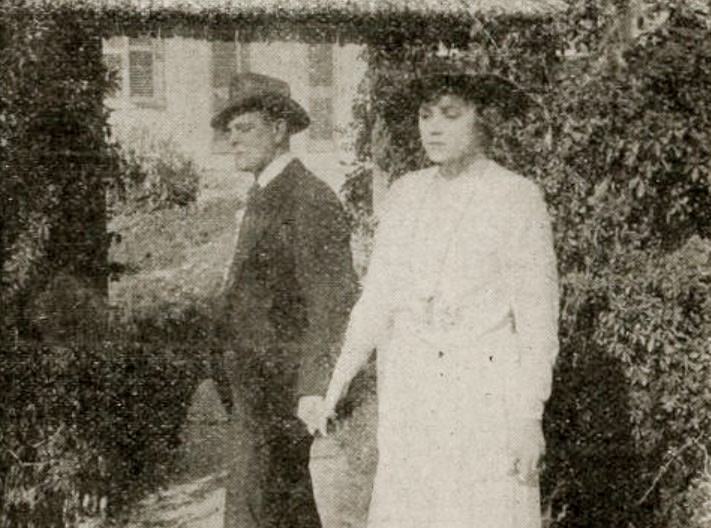
The visual language of As Ye Sow is defined by its use of shadows and framing, a hallmark of Frank Hall Crane's style. By utilizing a 1914-era palette, the film creates an immersive experience that perfectly complements its cult themes.
| Cinematography | Handheld |
| Soundtrack | Diegetic |
| Editing | Elliptical |
| Art Direction | Expressionist |
Visualizing the convergence of Frank Hall Crane's style and the core cult narrative.
Dora, the daughter of a wealthy man, marries a good-looking young fellow from the country who has made an auspicious start in New York business life. Having won the girl by trickery, he proceeds to reveal a baseness of disposition that makes his young wife's life a terrible burden. He becomes a drunkard who abuses his wife and baby. Dora resents his cruelty and he robs her of the child, surreptitiously conveying it to his mother, then going away to sea on a fishing schooner. Bereft of husband and child, Dora falls prey to grief. Fresh suffering awaits her when news comes that her vicious young husband was drowned at sea. Concealing her identity, she makes her way to the fishing village where her husband was born, becomes his mother's paying guest, recognizes her child, and inspires the love of her husband's brother, now a clergyman. Dora's troubles are about to recommence with undiminished severity. Her husband married her under a false name, so she is in ignorance of his relatives, and in this state of ignorance she lends a willing ear to the wooing of the Rev. John St. John, her late husband's brother. The wedding ceremony is about to take place when a storm at sea arises, a ship in distress is sighted, there is a call to man the life-boat, and Dora's fiancé volunteers. Among the rescued is Dora's legal husband Frank, who re-asserts his claim to wife and child, grows jealous of his brother, and once more becomes a drunkard. One of his New York reprobate companions appears to demand money. There is a quarrel and both men are killed. The sinful man has reaped as he sowed, and like so many of his kind has made others suffer for his misdeeds, particularly the fond girl who married him.
Decades after its release, As Ye Sow remains a vital piece of the cinematic puzzle. Its influence can be seen in countless modern works, solidifying Frank Hall Crane's status as a master of the craft in United States and beyond.