
DbcultAccessing Vault...
Director's Spotlight
Senior Film Conservator
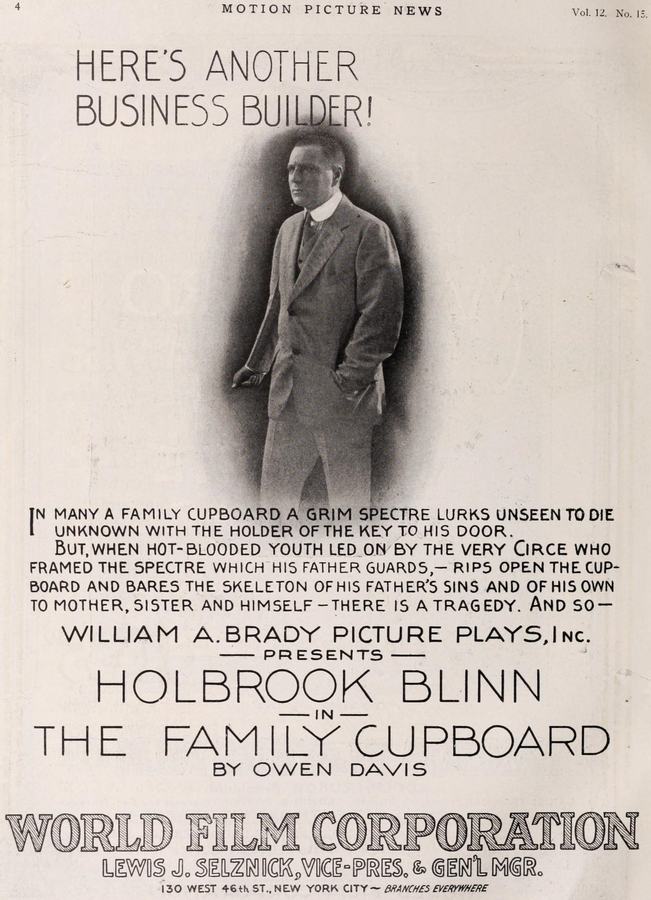
Director's Spotlight: United States
A Deep Dive into the 1915 Vision of Frank Hall Crane
In the storied career of Frank Hall Crane, The Family Cupboard stands as a the atmospheric immersion that Frank Hall Crane achieves throughout The Family Cupboard. Reflecting the political and social shifts of the 1915s, it reinforces the idea that cinema is a medium of infinite possibilities.
In The Family Cupboard, Frank Hall Crane pushes the boundaries of conventional narrative. The film's unique approach to its subject matter has sparked endless debates and interpretations among cinephiles and critics alike.
The visual language of The Family Cupboard is defined by its use of shadows and framing, a hallmark of Frank Hall Crane's style. By utilizing a 1915-era palette, the film creates an immersive experience that perfectly complements its cult themes.
| Cinematography | High-Contrast |
| Soundtrack | Minimalist |
| Editing | Slow-Burn |
| Art Direction | Brutalist |
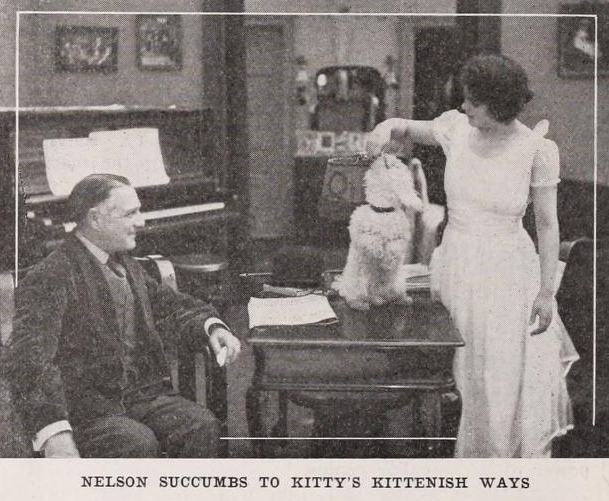
Visualizing the convergence of Frank Hall Crane's style and the core cult narrative.
Charles Nelson is a self-made man and has amassed a fortune. His family consists of his wife, son Kenneth, and daughter Alice. His wife has become absorbed in society, requiring all the money her husband can made to support the large establishment and entertain. The wife, son, and daughter are out night after night, leaving Mr. Nelson much alone; while he pays the bills, he has little of the society of his family. He turns to vaudeville performer Kitty Claire for consolation and companionship. His son Kenneth gets into an argument with a friend at his club and hears that his father is keeping a woman in an establishment uptown. Kenneth returns home under the influence of liquor and insults his mother's companion, Mary Burke. Mr. Nelson enters, sees the situation and asks him what it all means. Kenneth turns on him and tells him that everyone knows he is keeping a woman in an apartment uptown. This conversation is overheard by Mrs. Nelson, who asks Mr. Nelson if it is true. He replies, "Yes." They agree to part. Kenneth clings to his mother. His sister Alice sympathizes with her father. She realizes that it is their own fault; they have given him nothing in return for all his labor in their behalf. Mr. Nelson is now living at the Alpine apartments, to which comes Kitty Claire. He tells her that the end has come. Meanwhile Kenneth, has come to see his father. Kitty, going out, hears him ask if his father is in, and seeks an acquaintance with Kenneth, who becomes infatuated with her, moves to the same hotel, and begins to live a Bohemian life with Kitty Claire and Dick LeRoy, another vaudeville performer. He finally asks Kitty to become his wife. She replies, "It is impossible, there is another man." The boy, crushed and brokenhearted, demands the man's name. Mr. Nelson enters at the point when Kenneth demands the name of the man. Kitty points to Mr. Nelson. Humiliated and ashamed Kenneth decides to end his life. He is about to write a letter when his mother arrives; she sees the pistol and tries to keep him from carrying out his plan. They are interrupted by a knock at the door; Kenneth is called down to the office by the clerk; while he is gone Mrs. Nelson seizes the opportunity to telephone Mr. Nelson, who arrives with Alice. Kenneth and his father are reconciled, also Mrs. Nelson, and her husband and the family are reunited.
Decades after its release, The Family Cupboard remains a vital piece of the cinematic puzzle. Its influence can be seen in countless modern works, solidifying Frank Hall Crane's status as a master of the craft in United States and beyond.