
DbcultAccessing Vault...
Director's Spotlight
Senior Film Conservator
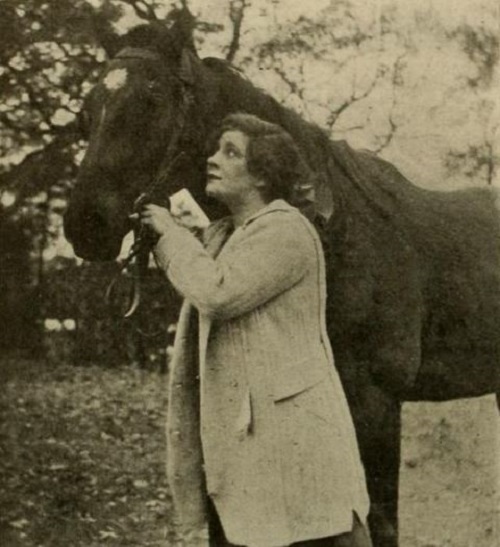
Director's Spotlight: United States
A Deep Dive into the 1914 Vision of Frank L. Dear
Exploring the cult underpinnings of The Trail of the Lonesome Pine leads us to the uncompromising vision of Frank L. Dear that defines this cult masterpiece. Melding the raw energy of United States with a global cult appeal, it echoes the profound changes occurring in United States during that era.
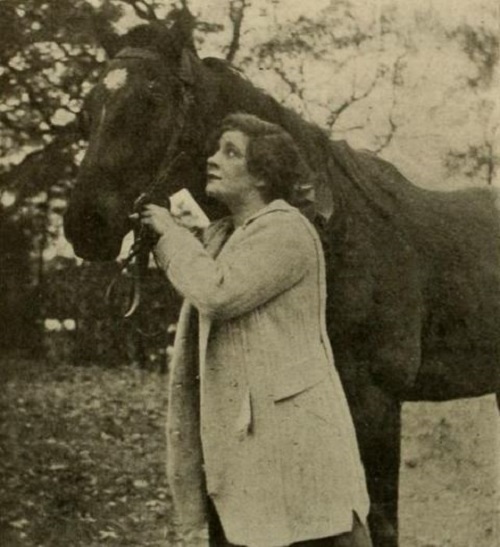
In The Trail of the Lonesome Pine, Frank L. Dear pushes the boundaries of conventional narrative. The film's unique approach to its subject matter has sparked endless debates and interpretations among cinephiles and critics alike.
| Cinematography | Noir-Inspired |
| Soundtrack | Minimalist |
| Editing | Disjunctive |
| Art Direction | Baroque |
Visualizing the convergence of Frank L. Dear's style and the core cult narrative.
A feud between the Tollivers and Falins has existed for many years. Jack Hale, a New York Mining Engineer, comes into the country and searches for coal lands. He hears of coal on the Tolliver land and, after investigating, begins large operations, during which he falls in love with June, daughter of Judd Tolliver. Dave Tolliver, nephew of Judd, has long loved June and becomes frantically jealous of Jack. June first loves Jack with childish simplicity, but through the duplicity of her cousin Dave, she learns her love for Jack is more than childish fancy. Jack wants her sent to school and with the consent of Judd furnishes funds for her education. Judd and Dave Tolliver are moonshiners, whose unlawful business is discovered by Jack, who has been appointed sheriff, and after a desperate attempt by Dave and his friend Red Fox to kidnap June, Jack decides to send June to New York to finish her education. The coal interests prove bad; failure stares Jack in the face. Dave in a feud fight with the Falins, kills Bob, a friend of Jack's, with Judd's gun. Old Judd is accused and arrested. Jack sends his last dollar to June and she returns to her old home, a beautiful society girl, but when she learns Jack has had her father arrested, she turns on him. She seeks the Tollivers and demands a rescue of her father, in which a terrific fight between the Tollivers and Falins takes place. Judd is seriously wounded and the Tollivers put out the white flag and are notified they must leave the country in forty-eight hours, which they do, carrying the wounded Judd with them. After many miles of travel Old Judd dies, but in his last breath denounced Dave and tells June to go back to Jack. After Judd's death she cannot give up her first love for Jack and at last gives up Dave and goes back to her old home. Dave follows and in an attempt to destroy June's old home with dynamite, he is foiled by Jack, who grabs the ignited can of powder and accidentally throws it into the dynamite cabin, which is blown to atoms, killing the wicked Dave, who has been spying from the cabin's interior. June and Jack are happily married by the Old Justice, their trusted friend, Uncle Billy, at the foot of "The Lonesome Pine."
Decades after its release, The Trail of the Lonesome Pine remains a vital piece of the cinematic puzzle. Its influence can be seen in countless modern works, solidifying Frank L. Dear's status as a master of the craft in United States and beyond.