
Film History
The Hypnotic Gaze: Unmasking the Spellbinding Visuals of Silent Cinema That Forged Our Deepest Cinematic Obsessions
“Before dialogue dominated the screen, silent cinema wielded a unique power: a mesmerizing visual language that transcended mere storytelling to create profound, often unsettling, cinematic experiences that laid the groundwork for cult devotion. This deep dive explores how early film's aesthetic prow…”
We often speak of cult cinema as a phenomenon of the mid-20th century onwards, a rebellion against the mainstream born of midnight screenings and taboo-breaking narratives. Yet, to truly understand the primal allure of a film that transcends mere popularity to become an object of obsession, we must cast our gaze further back, into the flickering, voiceless shadows of early cinema. Before synchronized sound tethered images to dialogue, filmmakers were forced to communicate through pure visual artistry, crafting a unique cinematic language that was, by its very nature, deeply immersive, often unsettling, and frequently hypnotic. This wasn't merely a limitation; it was a profound advantage, forging a direct, almost subconscious connection with audiences that laid the bedrock for what we now recognize as an enduring, fervent cinematic obsession. It was here, in the silent era, that the fundamental mechanics of the cult film experience – the profound personal resonance, the absorption into an alternate reality, the indelible imprinting of an image – were first honed.
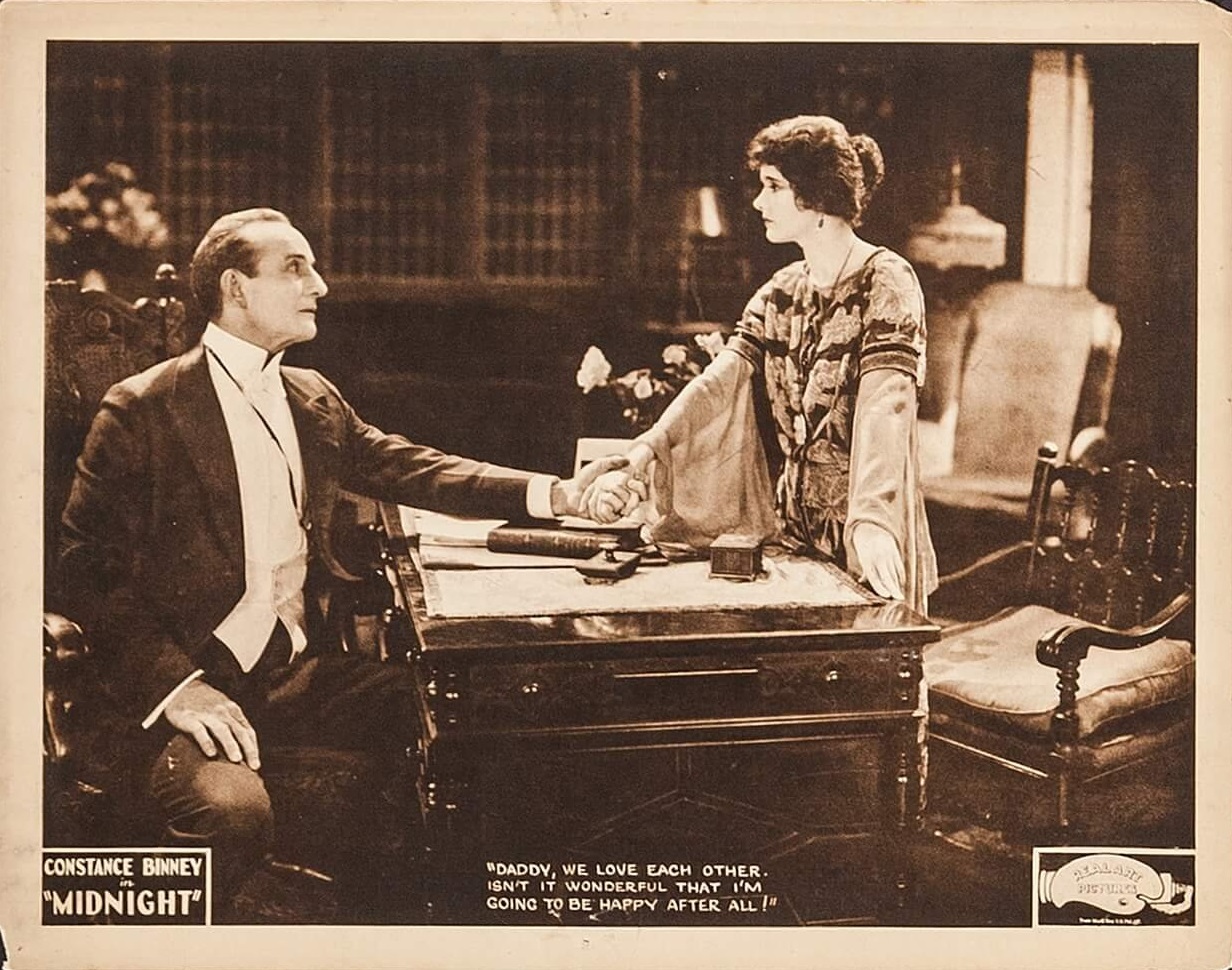
Forget the notion of silent films as quaint, dusty relics. Many were bold, aesthetically radical experiments in perception, designed to bypass the intellect and speak directly to the gut and the soul. They demanded active participation, inviting viewers to fill in the narrative gaps, interpret exaggerated gestures, and surrender to a torrent of images. This wasn't passive entertainment; it was a visual séance, a shared hallucination in a darkened hall. And in this act of collective dreaming, the seeds of cinematic devotion were sown, long before Rocky Horror Picture Show audiences were shouting back at the screen.
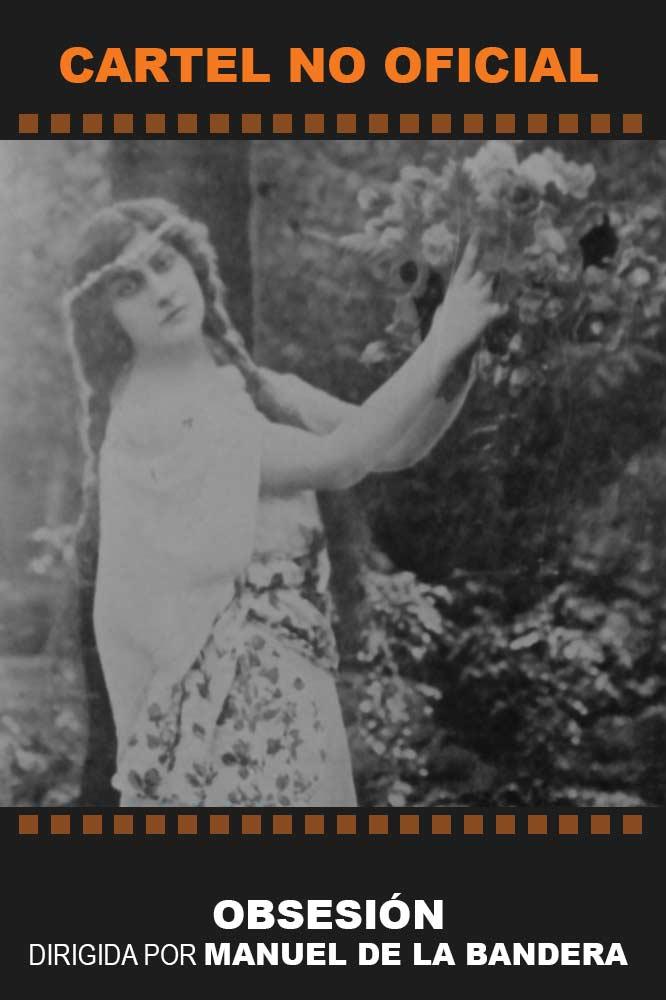
The Allure of the Unspoken Narrative: A Canvas for the Mind
The most immediate impact of silent cinema, and arguably its greatest strength in fostering deep engagement, was the absolute reliance on visual storytelling. Without dialogue to anchor meaning, every gesture, every facial expression, every piece of mise-en-scène had to convey emotion, intent, and plot. This wasn't a crude form of communication; it was an art form in itself, demanding a heightened sensitivity from both creators and audiences. Actors became masters of pantomime, their bodies and faces transforming into expressive canvases. The audience, in turn, became active interpreters, filling the silence with their own imaginings, projecting their own fears and desires onto the screen. This interactive dynamic fostered a far more personal and visceral connection to the narrative than the more prescriptive, dialogue-driven films that would follow.
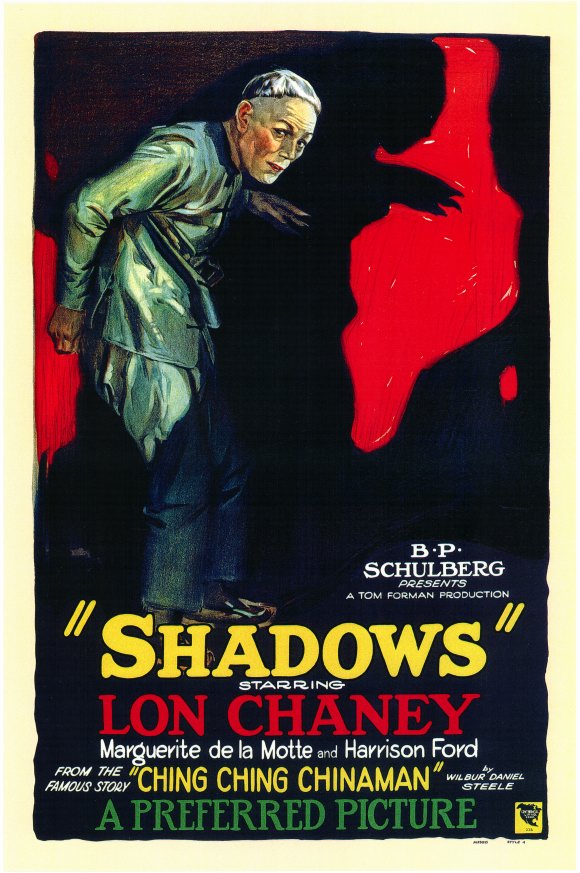
Consider the nuanced performances, for instance, in a film like The Affairs of Anatol (1921). Cecil B. DeMille, often dismissed as a mainstream showman, understood the power of visual spectacle and human folly. His socialite protagonist's quest for a 'better relation' than with his wife is portrayed through a series of visually rich vignettes, each woman in Anatol's life represented not just by her actions, but by her environment, her clothing, the very way she holds herself. The film invites us to judge, empathize, and perhaps even condemn, all through a sophisticated ballet of visual cues. This isn't just watching a story; it's entering a world and deciphering its unspoken rules, a process that breeds a unique form of intellectual and emotional investment, akin to the deep dive a cult fan undertakes.
“The silent film didn't just show you a story; it gave you the space to dream it yourself, to become a co-creator in its ephemeral reality. That's a powerful spell, one that binds you to the screen long after the projector stops.”
Shadows, Light, and the Subconscious: Crafting Psychological Landscapes
Beyond the actors, the very fabric of silent cinema’s visual design was a potent tool for psychological immersion. Filmmakers, particularly those influenced by German Expressionism, manipulated light, shadow, and set design to externalize inner turmoil and create unsettling, dreamlike atmospheres. Chiaroscuro lighting, distorted perspectives, and exaggerated architectural forms weren't merely stylistic choices; they were direct conduits to the subconscious, making the screen a mirror for anxieties and hidden desires.
Take While Paris Sleeps (1923), a horror-drama that, despite its more conventional narrative, benefits immensely from this visual tradition. The story of a sculptor driven to madness and murder, aided by a wax museum owner, is ripe for psychological exploration. The film could, and likely did, utilize deep shadows to obscure moral ambiguity, grotesque angles to emphasize the characters' twisted psyches, and stark contrasts to highlight the chasm between their public facade and private horrors. The visual aesthetic becomes a character in itself, a silent accomplice that whispers dread into the viewer's mind. This direct, unfiltered assault on the senses, bypassing rational thought, is a hallmark of films that resonate on a deeper, almost obsessive level with audiences, forming the core of what we now understand as cult appeal.

Even in less overtly 'horror' films, the visual techniques could evoke powerful emotional states. The stark, often isolated landscapes of Westerns like Durand of the Bad Lands (1917) or The Wolf of the Tetons (1918) create a sense of existential loneliness or impending danger purely through the framing and composition, a silent testament to the vastness and indifference of nature. This ability to convey complex emotional and psychological states without a single spoken word is a profound achievement, and it’s precisely why certain silent films maintain their power to mesmerize even today.
The Spectacle of the Surreal and the Strange: Challenging Perceptions
Silent cinema was also a playground for the bizarre, the fantastical, and the outright surreal. Freed from the constraints of literal dialogue, filmmakers could indulge in visual metaphors and dream logic that would feel jarring in a sound film. This embrace of the unconventional resonated with audiences seeking experiences beyond the mundane, a core tenet of cult appreciation. Films that ventured into the otherworldly, experimented with narrative structure, or presented unsettling realities often found a devoted following among those who craved something different.
Henrik Ibsen’s sprawling verse drama found its cinematic equivalent in Peer Gynt (1919), a fantasy that, by its very nature, invites a dreamlike interpretation. Peer’s journey through varied countries, his encounters with mythical creatures and allegorical figures, would have been rendered through elaborate sets, creative costuming, and perhaps even early special effects that, while primitive, added to the film's uncanny mystique. The visual spectacle of such a narrative, unburdened by the need for realistic dialogue, could transport audiences into a truly alien, yet captivating, realm.
Then there are films that blurred the lines between reality and staged fiction, creating their own unique sense of the uncanny. Shipwrecked Among Cannibals (1920), presented as a travelogue/documentary, famously interpolated fictitious encounters with cannibalistic tribes. This deliberate obfuscation of truth and fiction, presented with a straight face, creates a deeply unsettling experience. The audience is left questioning what is real and what is fabricated, immersing them in a narrative that plays on primal fears and exotic fascinations. Such a film, with its audacious blend of genres and its unsettling ambiguity, is precisely the kind of outlier that would later find its place in the cult canon, celebrated for its unique, provocative vision.
Even seemingly straightforward dramas could delve into the surreal through their exploration of psychological states. Blind Wives (1920) is an episodic tale centered around a woman's obsession with clothes and her subsequent dreams. The very concept of dream sequences, rendered visually in a silent film, would have been a powerful, disorienting experience, inviting viewers into the protagonist's subconscious world. The film’s ability to visually articulate inner thoughts and anxieties, to build an entire narrative around a character's internal landscape, is a profound early example of cinema's capacity for psychological depth, a key ingredient in many later cult favorites.
Early Ambition and Transgressive Undertones
The ambition of silent filmmakers knew few bounds. Consider Satanas (1920), a three-part historical film spanning ancient Egypt, a Hugo novel adaptation, and the Russian Revolution. Such an epic scope, weaving together disparate historical and literary threads, speaks to a desire for grand, sweeping narratives that challenged conventional storytelling. The sheer visual undertaking of bringing these vastly different worlds to life without the aid of dialogue would have necessitated inventive art direction, striking cinematography, and a mastery of visual pacing. Films of this scale, often exploring themes of destiny, rebellion, and moral conflict, held an almost mythic quality that could profoundly captivate audiences, making them feel part of something monumental and unique. This sense of witnessing a singular, audacious vision is a powerful driver of cult appreciation.
Even seemingly lighter fare could possess a strange, almost detached quality. The Misleading Lady (1916), a comedy about theatrical aspirations and deception, might, through its visual exaggerations and the heightened reality of stage life, present a world that feels slightly off-kilter, a dream-like exploration of ambition and illusion. The visual language of silent comedy, with its slapstick and exaggerated reactions, often borders on the surreal, creating a world where logic is bent and emotions are writ large, a precursor to the absurdism cherished by cult fans.
Echoes in the Modern Cult Pantheon: The Enduring Gaze
The hypnotic gaze cultivated by silent cinema didn't vanish with the advent of sound. Instead, its lessons were absorbed, its spirit transmuted, and its legacy continues to resonate within the deepest currents of cult film. The emphasis on striking visuals, the embrace of narrative ambiguity, the creation of indelible personas, and the courage to venture into the strange and surreal – these are all qualities forged in the silent era that define the most beloved and obsessively watched films of subsequent generations.
Think of the meticulously crafted, unsettling worlds of David Lynch, where dialogue often serves to deepen visual mystery rather than resolve it. Or the hyper-stylized performances and visual grotesqueries of a John Waters film. Even the elaborate rituals and dedicated cosplay surrounding films like The Rocky Horror Picture Show have a parallel in the intense, almost ritualistic engagement demanded by silent films, where the audience's active participation was not just encouraged but essential to the experience. The silent screen taught us how to truly see, to interpret, to immerse ourselves in a purely visual narrative, and in doing so, it prepared us for the profound, often inexplicable, connections we form with films that defy easy categorization.
The early filmmakers, operating without the crutch of spoken words, inadvertently perfected the art of cinematic hypnosis. They understood that a truly captivating film doesn't just tell a story; it creates an experience, a world you can fall into, a vision that imprints itself on your psyche. This profound visual literacy, born of necessity, is the true ancestral heartbeat of cult cinema. It’s a lineage that reminds us that long before the term 'cult film' was coined, audiences were already finding their obsessions in the flickering silence, drawn in by a gaze that promised more than just a story – it promised a dream, a nightmare, or a revelation, all delivered through the unparalleled power of the image.
Community
Comments
Log in to comment.
Loading comments…